Mission To Restore State Forests Bears Fruit In Nyeri And Machakos Counties
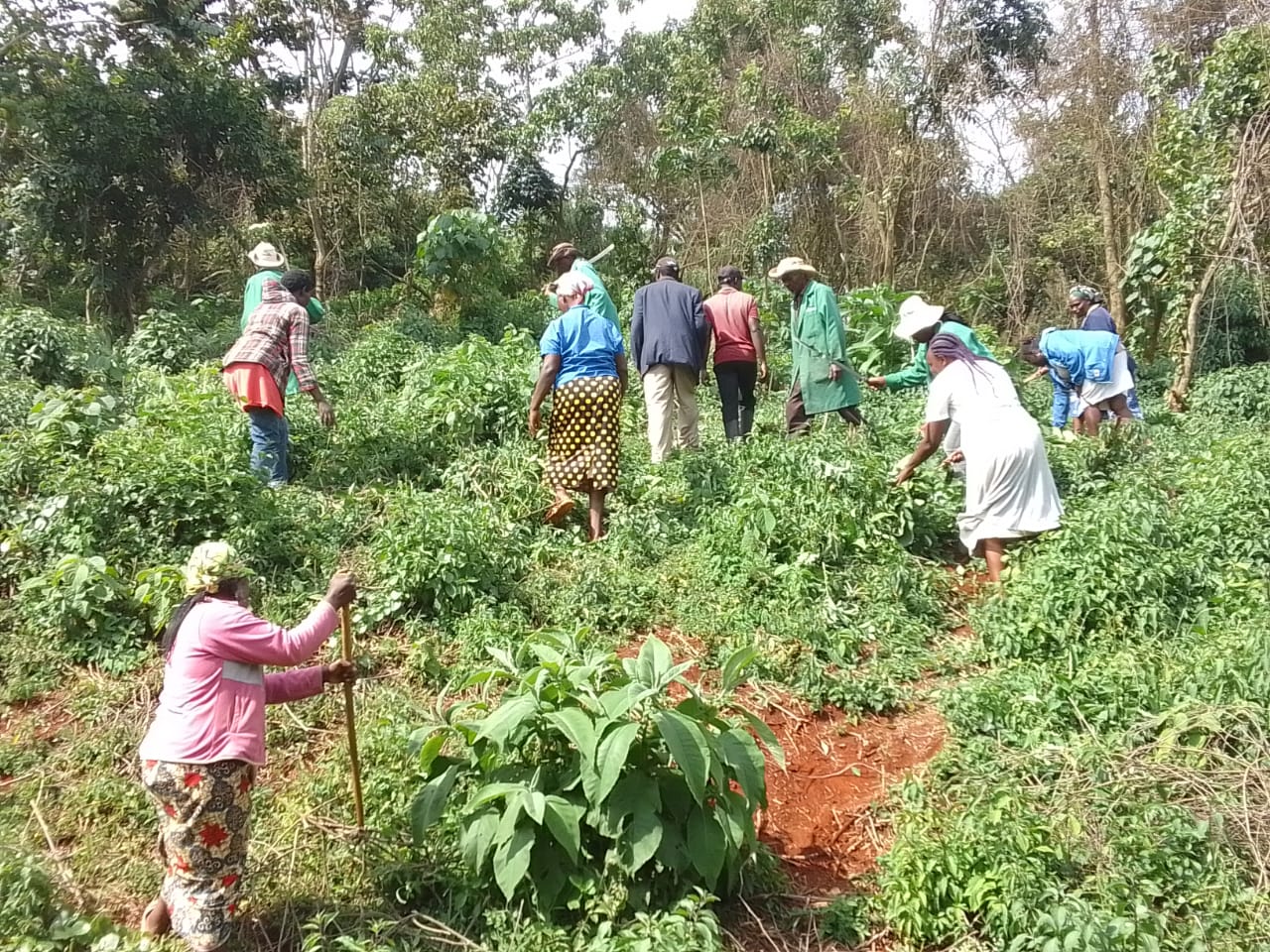
Zambani Community environmental committee leads Elijah Mulwa and Mr Nicholas King'ooo during the inspection of the forest. Photo/Morris Githenya

By Morris Githenya
Worth Noting:
- More than 330,000 trees have been planted in parts of the 6,000 acres within Kilimambogo hills by Zambani residents in Machakos County, through the pact between Rodi, Kenya Forest Service (KFS), Kenya Wildlife Service (KWS) and the residents.
- Zambani villagers have been at war with KWS over game hunting, charcoal burning and logging as they resisted the eviction from the hilly areas.
- Annie Karoki, in her 70’s said she grew up in the area under the Ol Donyo Sabuk National Park where charcoal burning was the order of the day.
- “We never knew whatever happens will come to haunt the community in future. Today the entire area is under rehabilitation after the community was evicted and settled in the lower areas,” said Karoki.
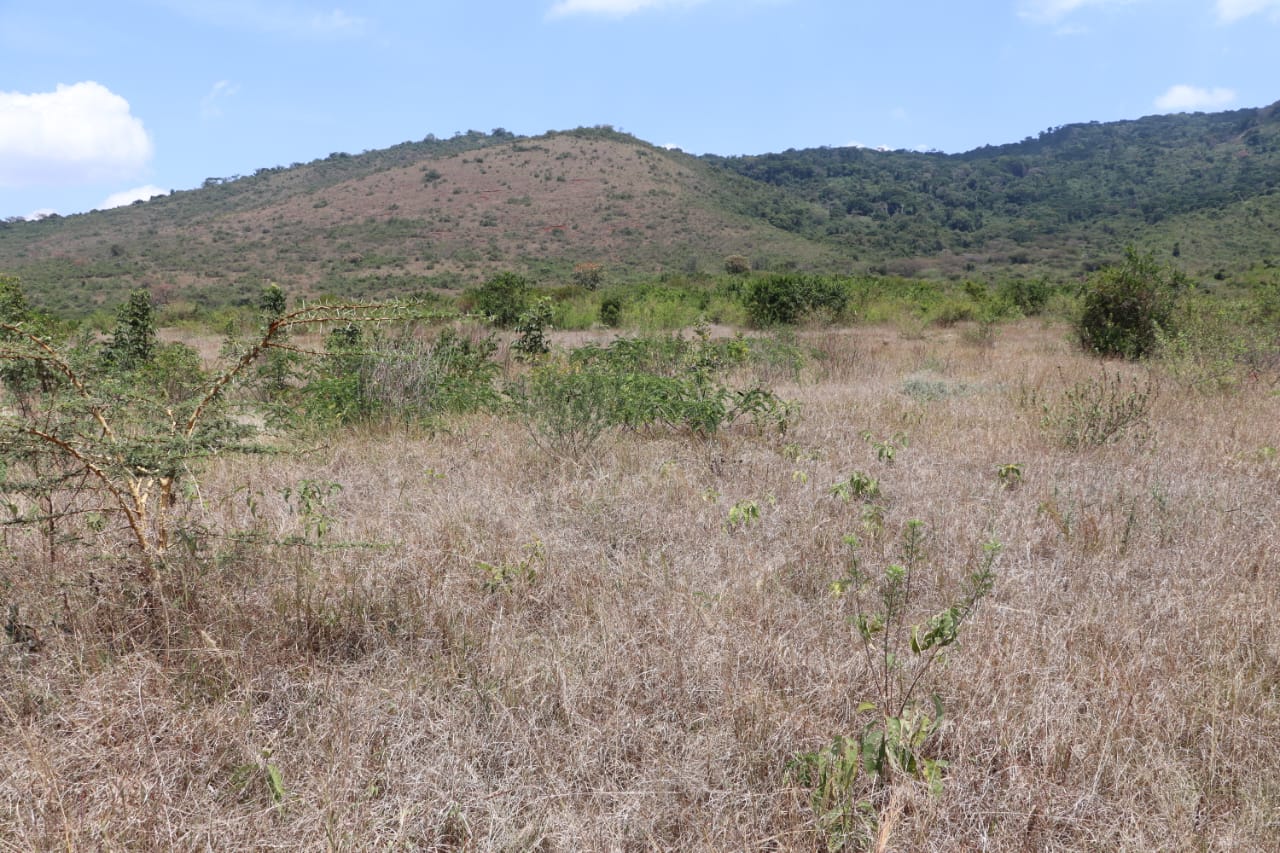
Communities living in two endangered forests have partnered with government agencies ending the perennial animosity and embarking on planting indigenous trees to enhance forest cover.
In the past decades, Nyeri Hill and Kilimambogo hills were destroyed with impunity, with neighbours taking part in wanton felling of trees.
Also, other forms of destruction included charcoal burning and grazing of livestock in the forest , as the localities were exposed to effects of climate change.
However, the situation changed with former enemies, united by Rodi Kenya brought them together through initiation of forest restoration programmes.
To ensure the success of the forest restoration programme, initiated by the organisation in 2021, the tree seedlings used are sourced from the community at a fee.
More than 330,000 trees have been planted in parts of the 6,000 acres within Kilimambogo hills by Zambani residents in Machakos County, through the pact between Rodi, Kenya Forest Service (KFS), Kenya Wildlife Service (KWS) and the residents.
Zambani villagers have been at war with KWS over game hunting, charcoal burning and logging as they resisted the eviction from the hilly areas.
Annie Karoki, in her 70’s said she grew up in the area under the Ol Donyo Sabuk National Park where charcoal burning was the order of the day.
“We never knew whatever happens will come to haunt the community in future. Today the entire area is under rehabilitation after the community was evicted and settled in the lower areas,” said Karoki.

RODI Kenya Executive Director Esther Bett said following the state of the forests and the effects of the climatic change, through the support of partners moved towards restoration of the forests.
Ms Bett says Rodi Kenya is out to plant thousands of trees and thus moved to partner with the KWS and KFS that controls tracts of land.
She said through the partnership, Rodi Kenya is determined to make Kenya green in less than five years.
“The most important thing is that springs in the Zambani area are back owing to the spirited restoration of the forest after decades of destruction of the forest cover,” said Bett.
Community leader in Zambani area, Mr Elijah Mulwa said after they ironed out their differences with the KWS, they residents have been joining in the protection of the natural forest.
Since 1982, the community has been involved in the massive charcoal burning, with regrets over the destruction caused to the environment being felt.
Mulwa said residents, being members of Muka Mukuu Farmers Cooperative society settled in the locality more than 30 years ago, before they were ordered out of the forest land and converted to Ol Donyo Sabuk National Park.
“Two years ago, through the environmental conservation education coordinated by Rodi Kenya the situation changed after planting of trees, and livestock grazing stopped,” said the chairman.
At Nyeri Hills covering 192 acres, massive destruction was carried out between 1980 and 1984, when the KFS allowed timber merchants to cut down the trees in the commercial plantations.
The residents in return as the custodians of the forest moved in and joined in the destruction and grazing of hundreds of their livestocks.
In November last year, KFS, community and Rodi Kenya officials entered into the pact that has assisted in the restoration of Nyeri Hill, as scouts monitor the extent of the rehabilitation.
Samson Ngure, the chairman of the Nyeri Hill group, says in the past one year tremendous changes have taken place, with tens of the people from far and wide visiting over the weekends.
Ngure says through the community initiative a lot of changes have taken place with the scouts entrusted in the care and protection.
“Those engaged in protection of the ecosystem get a monthly token from Rodi Kenya that is appreciated by the scouts and the community,” said Ngure.
KFS Officer in charge of Nyeri Hill Ms Lucy Njeri from Muringato Forest Station said collaboration with the community has assisted in enhancing environmental protection.
Njeri says a year of working with the community has turned round the reduction of illegal grazing and felling down of trees.
“Instead the community is more involved in protection of the forest and clearing bushes in nurturing of the young trees,” said Njeri.
Similar Posts by The Mt Kenya Times:
- Mt Kenya Times ePAPER August 27, 2026
- Opposition will have a candidate by April, says Gachagua
- Kalonzo takes his campaign to the people across three counties
- Kenya’s election technology tender: A KSh10B procurement under fire
- The goon question: What Ruto’s vow to act personally really means for Kenya
About the Author