Africa Conference on Deafness Comes to Kenya as Government Prioritizes Disability Inclusion
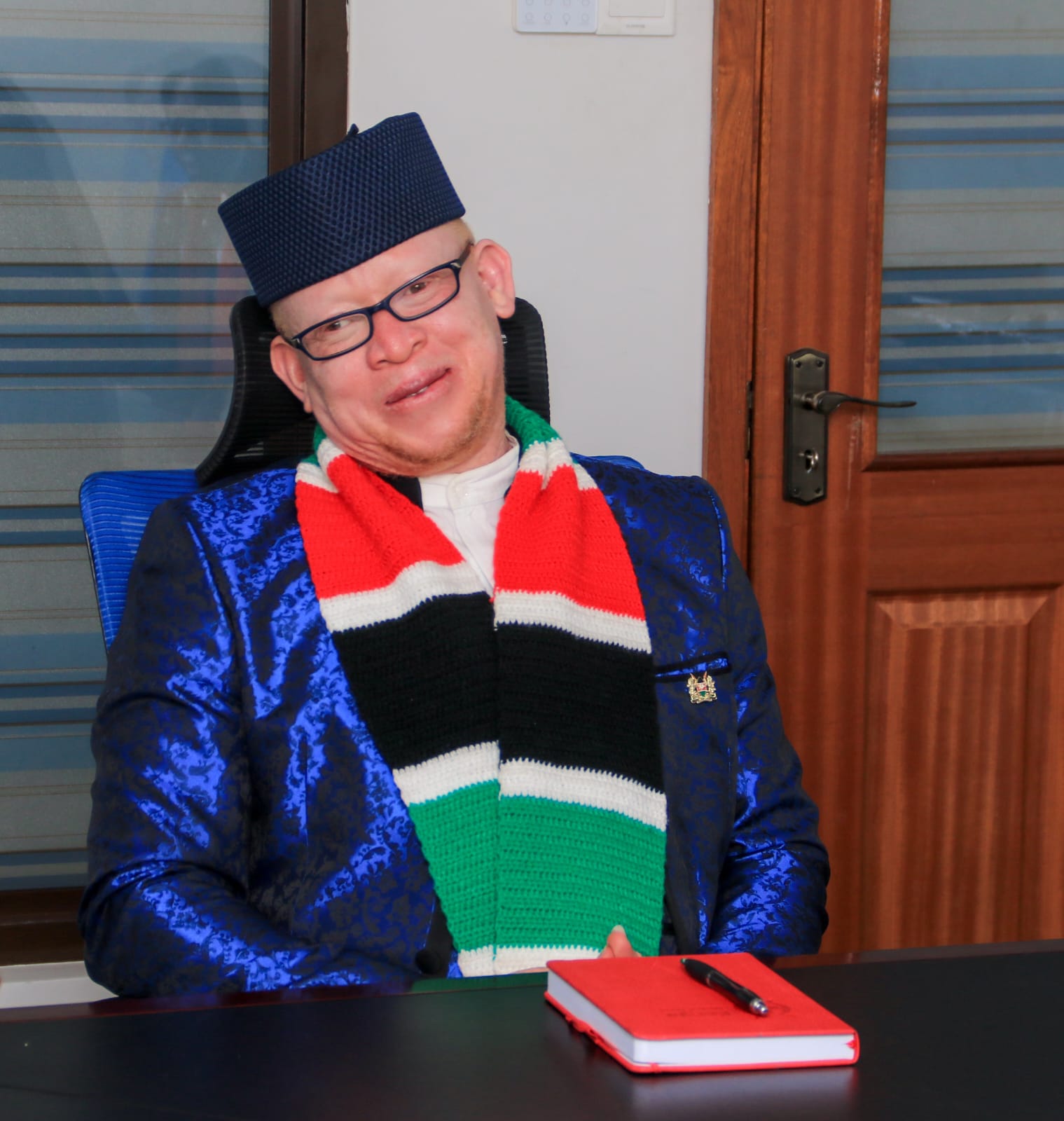
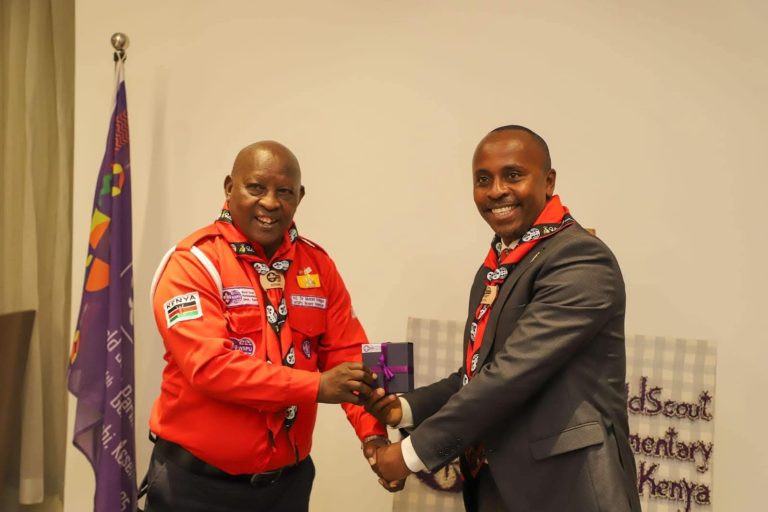
In picture, the Government Spokesperson, Dr.Isaac Mwaura at the Kenya Society for Deaf Children where he launched the upcoming Africa Conference on Deafness.
By Aoma Keziah,
Government spokesperson Isaac Mwaura has announced that Kenya will host the Africa Conference on Deafness 2024 from November 27-29, a milestone event aimed at advancing the rights, empowerment, and inclusion of Deaf persons and those with disabilities across the continent.
The conference, to be held in Nairobi, will gather policymakers, advocates, and community leaders to address challenges and opportunities in disability inclusion, in alignment with this year’s International Day of Persons with Disabilities theme, “Amplifying the Leadership of Persons with Disabilities for an Inclusive and Sustainable Future.”
Mwaura emphasized Kenya’s commitment to disability rights, noting that the Kenyan Constitution enshrines protections for persons with disabilities.
“ Article 54 ensures equality, access, and inclusion, while the National Council for Persons with Disabilities (NCPWD) oversees efforts to safeguard these rights. The Persons with Disabilities Act No. 14 of 2003 established the NCPWD to advocate for the empowerment and well-being of this community in Kenya.” He said.
He highlighted targeted economic empowerment programs that support persons with disabilities.
“In the Financial Year 2023/24, the government connected 574 Self-Help Groups to funding resources like the UWEZO Fund and Youth Enterprise Fund. Additionally, 30 disability-owned businesses benefited from the Access to Government Procurement Opportunities (AGPO) programme, while 57 beneficiaries received start-up kits through the Tools of Trade program in fields such as catering, automotive engineering, and beauty.” Mwaura stated.
In support of accessible education, he mentioned that the government has upgraded infrastructure and equipment at six learning institutions to improve enrolment and quality. Further, 2,232 learners with disabilities have received scholarships, and cash transfers have been extended to 65,291 households caring for persons with severe disabilities.
“The government has also distributed over 4,000 assistive devices, including wheelchairs and hearing aids, through the Mobility and Orientation Training Programme, helping individuals like James Kirigo regain independence after receiving a prosthetic limb.” Remarked Mwaura.
Additionally, he pointed out several programs addressing specific needs within the disability community.
“The Albinism Support Programme provides sunscreen, cancer screenings, and eye care, benefitting over 5,000 individuals. Another program supports persons with autism and other developmental disabilities, providing therapy and essential medical supplies to thousands.” He added.
On the Affordable Housing Program (AHP) , he said that it aims to offer accessible housing for persons with disabilities through universal design standards and a reserved percentage of units for vulnerable groups, highlighting that the program allows for gradual ownership through rent-to-own schemes, while the Housing Fund offers low-interest loans to help overcome economic barriers to homeownership.
In healthcare, the government is enhancing access to specialized services through universal health coverage tailored to persons with disabilities, partnering with healthcare providers to deliver rehabilitative care and preventive health services. To ensure accessible communication, the government has adopted inclusive practices across agencies.
“ The Office of the Registrar of Political Parties recently launched a PWD Training manual in braille, while the Kenya Institute of Special Education (KISE) has trained 354 public officers in Sign Language to improve service delivery for the Deaf community.” Mwaura highlighted.
In conclusion , he insisted that the Kenya Sign Language Bill 2023 further underscores the government’s dedication to inclusive communication, mandating the promotion and development of Kenyan Sign Language in education, legal proceedings, and public spaces and invited stakeholders from across Africa to join in advancing policies and strategies for inclusion, accessibility, and empowerment, urging everyone to promote inclusion and build a sustainable future for all.
Similar Posts by Aoma Keziah:
- Nationwide Youth Business Drive Enters Last Lap With New Nyota Trainings
- Green Light From Washington Sets G42 On Fast Track to Build Region’s Most Powerful AI Network
- Safina Eyes Kariobangi North Seat in Intensified Push Before Poll Day
- KEBS Opens Talks With Manufacturers On New Standards Levy Order 2025
- Kenya, Uganda And South Sudan Chart Way Forward On East Africa Rail Corridor
About the Author

 The Mt Kenya Times