Expanding Justice: The Case For Increasing Kenya’s Supreme Court Bench
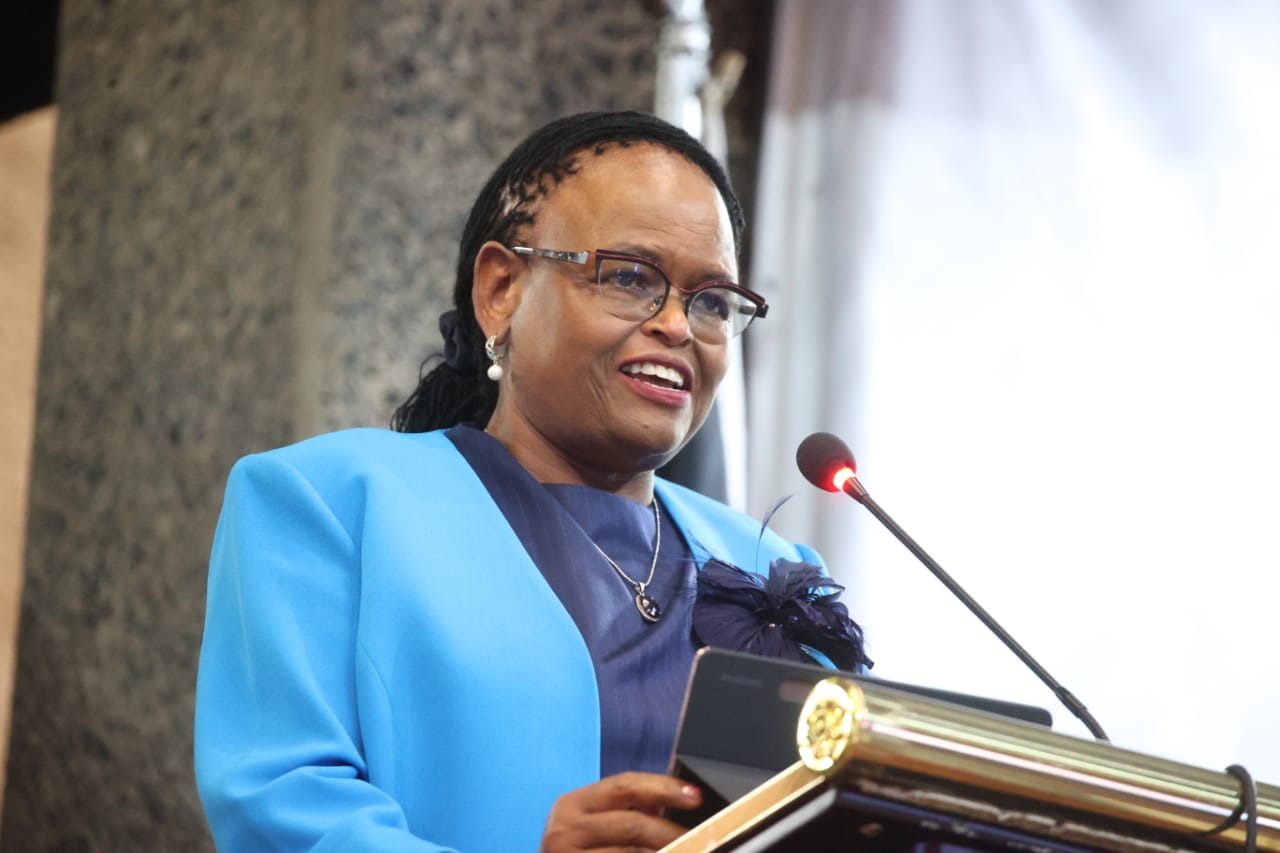
Chief Justice Martha Koome

By: James Kilonzo Bwire
Worth Noting:
- The potential for political influence in judicial appointments is a concern that cannot be overlooked. In many countries, attempts to alter the composition of supreme courts have led to accusations of politicization and undermining judicial independence. Therefore, it is crucial that any changes reflect not only a desire for efficiency but also a commitment to uphold the rule of law and protect judicial integrity.
- Chief Justice Koome’s leadership has already made significant strides in promoting human rights and gender equality within Kenya’s legal framework. As a renowned advocate for women’s and children’s rights, she has worked tirelessly to reform laws affecting these vulnerable groups. Her dedication was recognized when she was named runner-up for the UN’s Kenya Person of the Year Award in 2020 for her advocacy work.
Chief Justice Martha Koome’s proposal to expand the Supreme Court bench from seven to eleven judges is a transformative initiative that addresses the critical challenges facing Kenya’s judicial system. This expansion is not merely a numerical adjustment; it represents a strategic response to the overwhelming backlog of cases that has long plagued the judiciary. The current bench size has been described as “limited,” which constrains the court’s ability to manage multiple cases efficiently. By increasing the number of judges, the Supreme Court can conduct simultaneous hearings, alleviating pressure on existing judges and improving access to justice for all Kenyans.
The necessity for reform within Kenya’s judicial system has become increasingly apparent. With thousands of cases pending in courts, many citizens face prolonged delays in seeking justice. Chief Justice Koome has articulated that an expanded bench would not only expedite case resolution but also enhance the overall functionality of the court. She emphasized, “It is very difficult because this is a very small bench. It doesn’t allow for much latitude.” This limitation affects not only the judges but also litigants who are left waiting for justice that should be timely and accessible.
Moreover, expanding the bench aligns with Koome’s broader vision to modernize the judiciary. Her initiatives include implementing e-filing systems and alternative justice mechanisms aimed at streamlining legal processes. The recent inauguration of new law courts and e-filing systems in Samburu County exemplifies her commitment to improving access to justice, significantly reducing travel distances for litigants. For instance, the launch of a High Court sub-registry in Samburu has cut down travel distances from over 300 kilometers to approximately 100 kilometers for many residents, thereby making justice more accessible.
However, implementing this expansion is not without its challenges. It requires constitutional amendments, specifically altering Article 163 of the Constitution, which currently stipulates that the Supreme Court shall consist of the Chief Justice, a deputy, and five other judges. This proposed change could ignite debates surrounding judicial independence and political influence. Constitutional lawyer Bobby Mkangi has highlighted that such an amendment might necessitate a referendum if it implies that current judges are susceptible to manipulation. This raises critical questions about how to balance efficiency with maintaining the integrity of Kenya’s judiciary.
The potential for political influence in judicial appointments is a concern that cannot be overlooked. In many countries, attempts to alter the composition of supreme courts have led to accusations of politicization and undermining judicial independence. Therefore, it is crucial that any changes reflect not only a desire for efficiency but also a commitment to uphold the rule of law and protect judicial integrity.
Chief Justice Koome’s leadership has already made significant strides in promoting human rights and gender equality within Kenya’s legal framework. As a renowned advocate for women’s and children’s rights, she has worked tirelessly to reform laws affecting these vulnerable groups. Her dedication was recognized when she was named runner-up for the UN’s Kenya Person of the Year Award in 2020 for her advocacy work.
Koome’s tenure as Chief Justice has been characterized by her commitment to transparency and accountability within the judiciary. She has emphasized that justice should not only be delivered but also perceived as being delivered swiftly and impartially. Her efforts in establishing alternative justice systems (AJS) further demonstrate her innovative approach to resolving disputes outside traditional court settings. These systems provide platforms where parties can engage in dialogue and negotiation, fostering understanding and offering amicable resolutions.
In conclusion, Chief Justice Koome’s proposal represents a courageous step towards transforming Kenya’s judicial landscape. It embodies her dedication to justice reform and her vision for a more robust judiciary capable of addressing contemporary challenges. As discussions around this proposal unfold, it will be essential for stakeholders—including legal experts, government officials, and civil society—to engage constructively.
The path forward requires collaboration among all stakeholders to create a judiciary that is not only efficient but also equitable and accessible for all Kenyans. This means ensuring that any changes made do not compromise judicial independence or integrity while effectively addressing the pressing needs of citizens seeking justice.
Ultimately, Chief Justice Koome’s initiative could set a precedent for judicial reform across Africa, showcasing how strategic changes can lead to improved access to justice in regions historically underserved by their legal systems. As Kenya stands at this crossroads, it is imperative that all voices are heard in shaping a judiciary that truly serves its people—swiftly, fairly, and transparently.
James Kilonzo Bwire is a Media and Communication Practitioner.
Similar Posts by The Mt Kenya Times:
- Mt Kenya Times ePAPER September 19-20, 2026
- Kenya joins US and UK to put citizens on the terrorism frontline
- Kenya’s parliament races to tame the AI frontier
- Kalonzo calls Ruto to order over Uhuru attacks
- Gachagua takes his 2027 campaign to America
About the Author