The Integration Of Artificial Intelligence In Higher Education: A Call To Action


By Daniel Tusiimukye K’abaasa
Worth Noting:
- Another significant advantage of AI in education is its ability to automate administrative tasks, freeing up educators to focus on teaching and mentoring. AI-powered tools can assist with tasks such as grading, data analysis, and student support, enabling educators to devote more time to high-touch, high-value activities.
- Moreover, AI can help bridge the gap for students with limited access to traditional learning tools. AI-driven math tutors, for example, can provide personalized learning support via WhatsApp, enabling students to access quality education regardless of their geographical location or socio-economic background.
- Rising Academy Network in Rwanda is a shining example of AI’s potential in education. This organization has successfully integrated AI tools to enhance teaching quality and efficiency.
The world of higher education is undergoing a significant transformation, driven by the increasing adoption of Artificial Intelligence (AI). As AI continues to revolutionize various sectors, universities are beginning to recognize its potential to enhance the learning process. However, to fully harness the benefits of AI, universities must reframe their approach to education and embrace AI as a tool to aid the learning process.
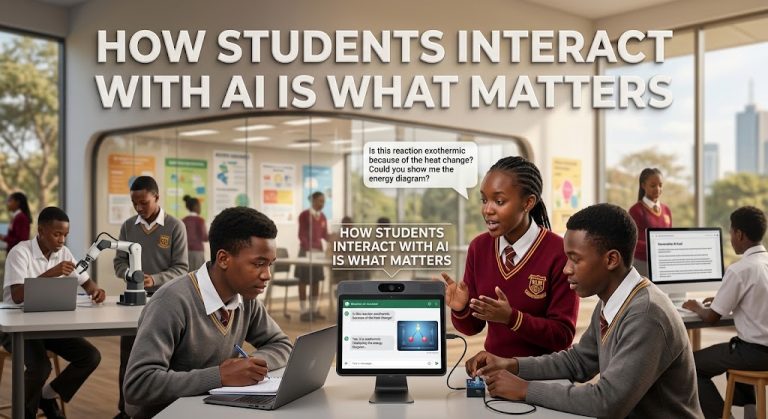
One of the primary ways AI can aid the learning process is through personalized learning experiences. AI-powered platforms can analyze individual students’ learning patterns, preferences, and behaviors, providing tailored educational experiences that cater to their unique needs. This approach enables students to learn at their own pace, revisiting concepts they struggle with and accelerating through material they’ve mastered.
For instance, AI-powered adaptive learning systems adjust the pace and complexity of content delivery to suit individual learners. These systems use real-time data and analytics to identify knowledge gaps and provide targeted interventions. As a result, students receive a more effective and efficient learning experience, and educators can focus on providing support and guidance where it’s needed most.
Another significant advantage of AI in education is its ability to automate administrative tasks, freeing up educators to focus on teaching and mentoring. AI-powered tools can assist with tasks such as grading, data analysis, and student support, enabling educators to devote more time to high-touch, high-value activities.
Moreover, AI can help bridge the gap for students with limited access to traditional learning tools. AI-driven math tutors, for example, can provide personalized learning support via WhatsApp, enabling students to access quality education regardless of their geographical location or socio-economic background.
Rising Academy Network in Rwanda is a shining example of AI’s potential in education. This organization has successfully integrated AI tools to enhance teaching quality and efficiency. AI-powered interactive prompts are being used to improve lesson delivery, while optical character recognition (OCR) tools are being tested for grading exams. Additionally, AI-driven math tutors provide personalized learning support via WhatsApp, bridging the gap for students with limited access to traditional learning tools.
A review of AI in education highlights its role in addressing barriers such as language proficiency, resource gaps, and teacher workloads. AI-powered platforms are being tested for adaptive learning, virtual tutoring, and intelligent content delivery. For instance, these systems support language learning, provide personalized feedback, and help bridge the digital divide by offering localized solutions tailored to African contexts.
The potential of AI in education is vast, and its impact will be felt for generations to come. As universities continue to navigate the complexities of AI adoption, it is essential that they prioritize the needs of students, educators, and the broader community. By embracing AI as a tool to aid the learning process, universities can create a more inclusive, effective, and efficient education system that prepares students for success in an increasingly complex and interconnected world.
However, the integration of AI in education also raises important questions about the future of work, the role of educators, and the potential for bias in AI decision-making. As AI assumes more responsibility for tasks such as grading and student support, educators must redefine their role in the learning process. This may involve focusing on high-touch, high-value activities such as mentoring, coaching, and providing emotional support.
Moreover, the use of AI in education raises concerns about bias and equity. AI systems can perpetuate existing biases and inequalities if they are trained on biased data or designed with a particular worldview. Therefore, it is essential that educators and policymakers prioritize transparency, accountability, and inclusivity in AI decision-making.
In conclusion, the integration of AI in education has the potential to transform the learning process, making it more inclusive, effective, and efficient. However, to fully harness the benefits of AI, universities must reframe their approach to education and prioritize the needs of students, educators, and the broader community. By embracing AI as a tool to aid the learning process, universities can create a brighter future for generations to come.
The writer is an engineering student at Makerere University, Kampala Uganda and a publisher at The Iconic Publications. danidalimonite@gmail.com
Similar Posts by The Mt Kenya Times:
- Mt Kenya Times ePAPER October 20, 2026
- Ruto rallies Kalenjin elders in Rift Valley unity push
- Sonko bid to nullify impeachment judgments fast-tracked in court
- Arrest the sponsors, not just the foot soldiers, Kalonzo tells police
- Police and politics shut down Kitale’s busiest market
About the Author