Developing Critical Media Information Literacy Skills In The Digital Age


By Winfridah Kemunto
In today’s world, where media and digital platforms are primary sources of information, the ability to critically engage with media is essential. The rise of misinformation, fake news, and digital manipulation has made it increasingly difficult to distinguish fact from fiction. Media Information Literacy (MIL) empowers individuals to become informed consumers and responsible producers of media content. By equipping people with the skills to access, analyze, evaluate, and create media, MIL fosters a more thoughtful, discerning, and engaged society.
Media information literacy goes beyond passive consumption; it requires active engagement with media content. To access reliable information, individuals must learn to seek out credible sources, such as peer-reviewed journals, reputable news organizations, and official reports. Understanding how algorithms influence search results and social media feeds helps users recognize the biases in what they see online.
Analyzing media content involves recognizing its purpose and the techniques used to deliver its message. Every piece of media is created with a specific audience and goal in mind, whether to inform, entertain, or persuade. Critical analysis means being aware of these intentions and how they affect the message’s framing. Identifying bias, tone, and rhetorical strategies is a key step in understanding what a media piece truly conveys.
Evaluating the credibility of information requires skepticism and cross-referencing. With the abundance of digital content, it’s easy to fall victim to clickbait or emotionally charged falsehoods. Verifying facts through reliable sources and fact-checking organizations ensures that the information consumed is accurate. Differentiating between factual reporting, opinion pieces, and propaganda is crucial in discerning objective truth from subjective interpretation.
Creating media responsibly is another fundamental aspect of media literacy. Ethical media creators respect intellectual property rights, avoid plagiarism, and strive for accuracy in their work. In the age of social media, where everyone can be a content creator, fostering responsible communication is vital. Responsible media creation also involves promoting civil discourse, avoiding inflammatory language, and encouraging respectful exchanges of ideas.
Media shapes perceptions, reinforces cultural norms, and influences societal behavior. Reflecting on how media affects our thoughts and actions is an essential part of media literacy. Understanding media’s power in shaping political, social, and cultural discourse helps individuals become more mindful of their media consumption habits. A critical approach to media ensures that individuals remain aware of the broader implications of what they read, watch, and share.
Developing critical media literacy skills requires consistent practice and reflection. Asking questions about the source, intent, and potential impact of a media message helps build critical thinking. Fact-checking, engaging in discussions about current events, and staying informed about emerging trends in media technology further strengthen these skills.
The media landscape is evolving rapidly, with new forms of manipulation, such as deepfakes and AI-generated content, presenting fresh challenges. Keeping up with these developments is essential for maintaining a high level of media literacy. The ability to navigate this complex and ever-changing environment is a valuable skill for anyone seeking to remain informed in the digital age.
Ultimately, media information literacy is about empowering individuals to take control of their media experiences. By fostering critical thinking, ethical media creation, and responsible consumption, MIL contributes to a more informed and active citizenry. In a world where information is power, developing critical media literacy skills is an investment in both personal growth and societal well-being.
This article serves as a call to action for individuals, educators, and institutions to prioritize media literacy. Together, we can build a future where informed citizens are equipped to critically engage with media, resist manipulation, and contribute positively to society. A media-literate world is not just an ideal—it is a necessity for sustaining democracy and fostering open, respectful dialogue.
Winfridah Kemunto
Journalism and media student
Rongo University.
Similar Posts by The Mt Kenya Times:
- Mt Kenya Times ePAPER October 20, 2026
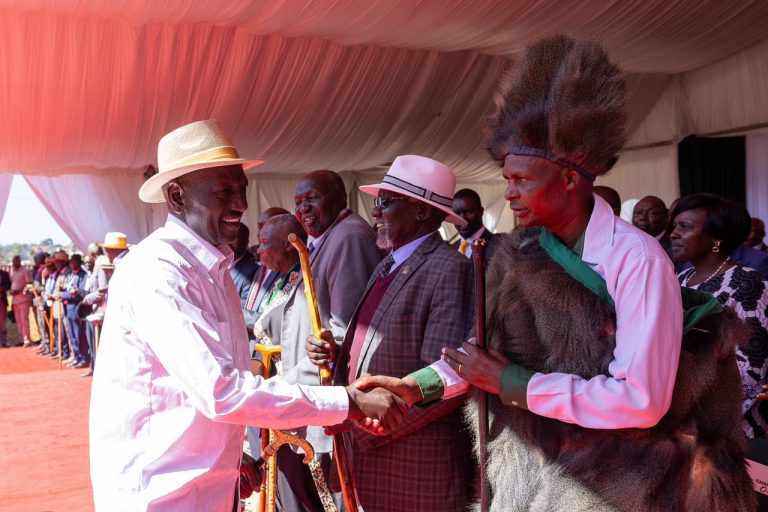
- Ruto rallies Kalenjin elders in Rift Valley unity push
- Sonko bid to nullify impeachment judgments fast-tracked in court
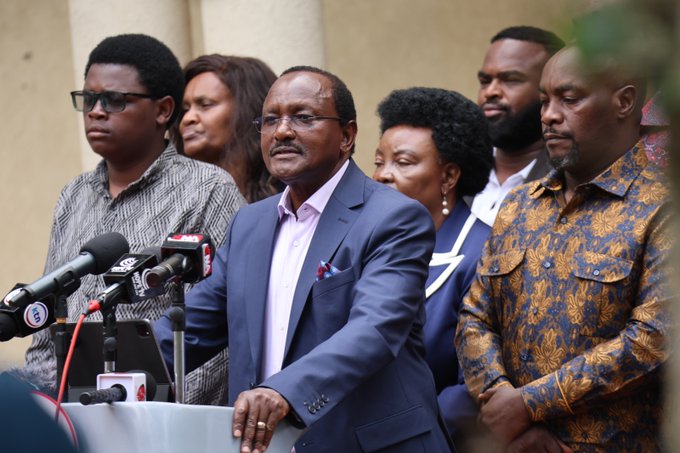
- Arrest the sponsors, not just the foot soldiers, Kalonzo tells police
- Police and politics shut down Kitale’s busiest market
About the Author