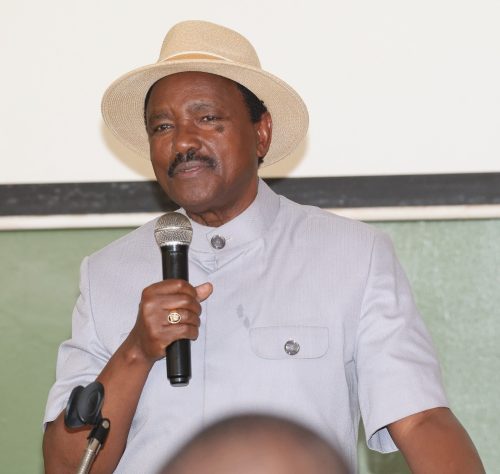
President William Ruto

Devolution in Kenya was meant to bring governance closer to the people, ensuring that resources and decision-making were distributed fairly across the country. However, more than a decade after its implementation, county governments continue to struggle with financial constraints, political interference, and administrative inefficiencies. Many critics argue that President William Ruto’s administration bears a significant share of the blame for these challenges.
One of the most pressing issues facing devolved governments is the delayed disbursement of funds from the National Treasury. Counties depend on their share of national revenue to run essential services, pay workers, and implement development projects. However, in recent years, there have been consistent delays in fund transfers, leading to stalled projects, unpaid salaries, and disrupted services. Governors have repeatedly called on the national government to honor its obligation, but the problem persists. Many believe that if President Ruto was fully committed to devolution, his government would prioritize timely disbursement of these funds.
Beyond financial delays, there are growing concerns about political interference in county affairs. Devolution was meant to grant counties autonomy, allowing them to operate independently of the national government. However, allegations have surfaced that the Ruto administration is using political influence to control or undermine county leadership, particularly in opposition strongholds. Some governors have accused the national government of using financial allocations as a political tool, selectively supporting counties aligned with the ruling party while frustrating those led by opposition leaders.
Furthermore, despite his campaign promises to strengthen devolution, President Ruto has not fully delivered on key reforms that would give counties more financial and administrative independence. The push for increased county funding and constitutional amendments that would enhance county operations has been largely ignored. Many county leaders and governance experts argue that without these necessary changes, devolution will remain weak, limiting its ability to improve the lives of ordinary citizens.
Another major challenge is the burden placed on counties to manage critical functions such as healthcare, agriculture, and infrastructure without sufficient resources. While counties are responsible for running hospitals and providing medical services, the national government often withholds key funds needed for these services. As a result, county health facilities face frequent drug shortages, staff strikes, and deteriorating conditions.
If devolution is to succeed, the national government, under President Ruto’s leadership, must take deliberate steps to address these concerns. Counties need predictable and timely funding, genuine autonomy, and strong support to fulfill their mandate effectively. Failure to act will only deepen the crisis facing devolved governance, ultimately hurting millions of Kenyans who depend on county services.
By Tabitha Yatich, Communication student at Rongo University.
Similar Posts by The Mt Kenya Times:
- Mt Kenya Times ePAPER August 27, 2026
- Opposition will have a candidate by April, says Gachagua
- Kalonzo takes his campaign to the people across three counties
- Kenya’s election technology tender: A KSh10B procurement under fire
- The goon question: What Ruto’s vow to act personally really means for Kenya
About the Author