Transforming Nyanza: The Impact Of President Ruto’s Mega Projects On Regional Development
 The Mt Kenya Times
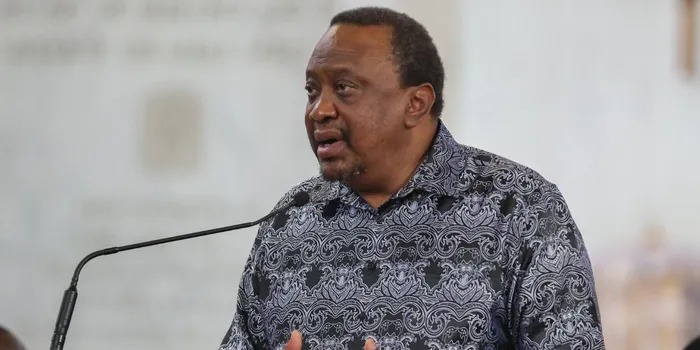
President William Ruto in Homa Bay

By: James Kilonzo Bwire
Nyanza region, historically known for its rich cultural heritage and political significance, is currently witnessing an unprecedented wave of infrastructural and socio-economic transformation. Under the leadership of President William Ruto, a series of mega projects spanning Kisumu, Siaya, Homa Bay, Migori, Kisii, and Nyamira counties are reshaping the region’s development trajectory. These initiatives, ranging from road construction to water supply, irrigation, affordable housing, and market infrastructure, demonstrate a holistic approach to regional upliftment that promises to catalyze growth and improve livelihoods.
Infrastructure as the Backbone of Development
One of the most visible and impactful areas of investment is in transport infrastructure. Roads are the arteries that connect communities, markets, and services, and in Nyanza, the government has prioritized upgrading and expanding road networks across all counties. For instance, Kisumu County’s Maseno-Kombewa-Kalandini road and the Mamboleo-Miwani-Chemelil-Muhoroni corridor are critical links facilitating movement and trade. Similarly, Siaya’s Bondo-Uyawi-Kibanga-Liunda Beach road and Homa Bay’s extensive road projects, including the improvement of the Mfangano Island ring road and Rusinga Loop Ring Road, are set to enhance accessibility and stimulate economic activities.
These road projects not only reduce travel time and transportation costs but also open up remote areas for investment and social services. The ongoing construction of bridges, such as the Dhohoye Bridge in Kisumu and the Nzoia Bridge in Siaya, further strengthens connectivity, ensuring year-round access and resilience against seasonal disruptions.
Water and Sanitation: Addressing Basic Needs
Access to clean and reliable water supply remains a critical challenge in many parts of Nyanza. The government’s commitment to improving water infrastructure is evident in projects like the Kisumu water supply under the Lake Victoria Water and Sanitation (LVWATSAN) initiative, targeting hundreds of thousands of residents. The Ugunja-Ukwala-Sega water supply and sewerage project in Siaya, the Kendu Bay water supply in Homa Bay, and multiple water supply expansions in Migori and Nyamira counties reflect a concerted effort to address water scarcity and sanitation challenges.
These projects have far-reaching implications for public health, agriculture, and overall quality of life. Reliable water supply supports not only domestic consumption but also irrigation schemes, which are vital for food security and income generation. The Ahero and West Kano irrigation schemes in Kisumu and the Anyiko Rice Irrigation Project in Siaya exemplify how water infrastructure is being leveraged to boost agricultural productivity.
Affordable Housing and Market Infrastructure: Stimulating Economic Empowerment
Housing and market infrastructure projects are key pillars in the government’s agenda to promote economic empowerment and urban development. The construction of thousands of affordable housing units across counties—such as the 2,384 units in Kisumu’s Lumumba area, 882 units in Alego Usonga (Siaya), and several hundred units in Migori and Kisii—addresses the pressing need for decent and affordable homes. These developments not only provide shelter but also create jobs and stimulate local economies through construction activities.
Market construction and modernization are equally transformative. The establishment of modern markets equipped with cold rooms, ICT hubs, social halls, and banking facilities in Siaya, Homa Bay, Migori, Kisii, and Nyamira is revolutionizing trade and entrepreneurship. These markets offer traders improved facilities, enhance food safety, and foster a conducive environment for business growth. For example, the Siaya Integrated Modern Market, designed to accommodate 1,000 traders, is poised to become a commercial hub that will attract investment and increase revenue for local governments.
Energy and Connectivity: Powering Growth and Innovation
Energy infrastructure also features prominently among the mega projects. The Sondu-Homa Bay-Awendo transmission line and substation project, along with multiple substation upgrades in Kisii, are critical to expanding electricity access and supporting industrial and domestic consumption. Reliable power supply is indispensable for modern agriculture, manufacturing, education, and healthcare services.
Moreover, the inclusion of ICT hubs within market facilities signals a forward-looking approach to integrating technology in commerce and governance. This integration is essential for enhancing access to information, financial services, and digital markets, thereby empowering communities to participate in the digital economy.
Strategic Vision and Political Will Driving Progress
The scale and diversity of these projects reflect a strategic vision anchored in President Ruto’s development blueprint for Nyanza. It is a vision that recognizes the region’s potential and seeks to harness it through targeted investments in infrastructure, social amenities, and economic empowerment. The projects also demonstrate political will to address historical marginalization and foster inclusive growth.
By focusing on multi-sectoral development—roads, water, housing, markets, energy—the government is laying a solid foundation for sustainable transformation. This comprehensive approach ensures that improvements in one sector reinforce gains in others, creating a virtuous cycle of development.
Challenges and the Road Ahead
While the progress is commendable, the success of these mega projects depends on timely completion, quality assurance, and effective management. Delays, cost overruns, or poor maintenance could undermine the benefits and erode public confidence. Therefore, robust oversight, transparency, and community involvement are essential to safeguard investments.
Furthermore, the projects must be complemented by capacity-building initiatives, especially for smallholder farmers, traders, and youth, to maximize their impact. Skills training, access to credit, and market linkages are critical to ensuring that infrastructure translates into real economic opportunities.
Conclusion
The ongoing and completed mega projects in Nyanza under President Ruto’s administration represent a transformative agenda that is reshaping the region’s socio-economic landscape. By investing in critical infrastructure and social amenities, the government is unlocking Nyanza’s potential and paving the way for inclusive and sustainable development.
These initiatives not only improve living standards but also foster regional integration, economic diversification, and resilience. As Nyanza embraces this new era of growth, it stands as a testament to what visionary leadership and strategic investment can achieve in addressing historical disparities and building a prosperous future for all Kenyans.
James Kilonzo Bwire is a Media and communication practitioner.
Similar Posts by The Mt Kenya Times:
- Diaspora Times Global Sep 19 – Sep 25, 2026
- Tibet’s glacial catastrophe: Behind Beijing’s wall of silence, a climate disaster reshapes a region
- Museveni says Uganda overpaid for fuel through Kenyan middlemen as new terminal breaks ground
- Court orders throw KPL season kickoff into doubt
- Can Kenyans abroad become the untapped force that transforms Kenya?
About the Author