Wetang’ula Raises Concern Over Conservatory Orders Stalling Parliament Work
 The Mt Kenya Times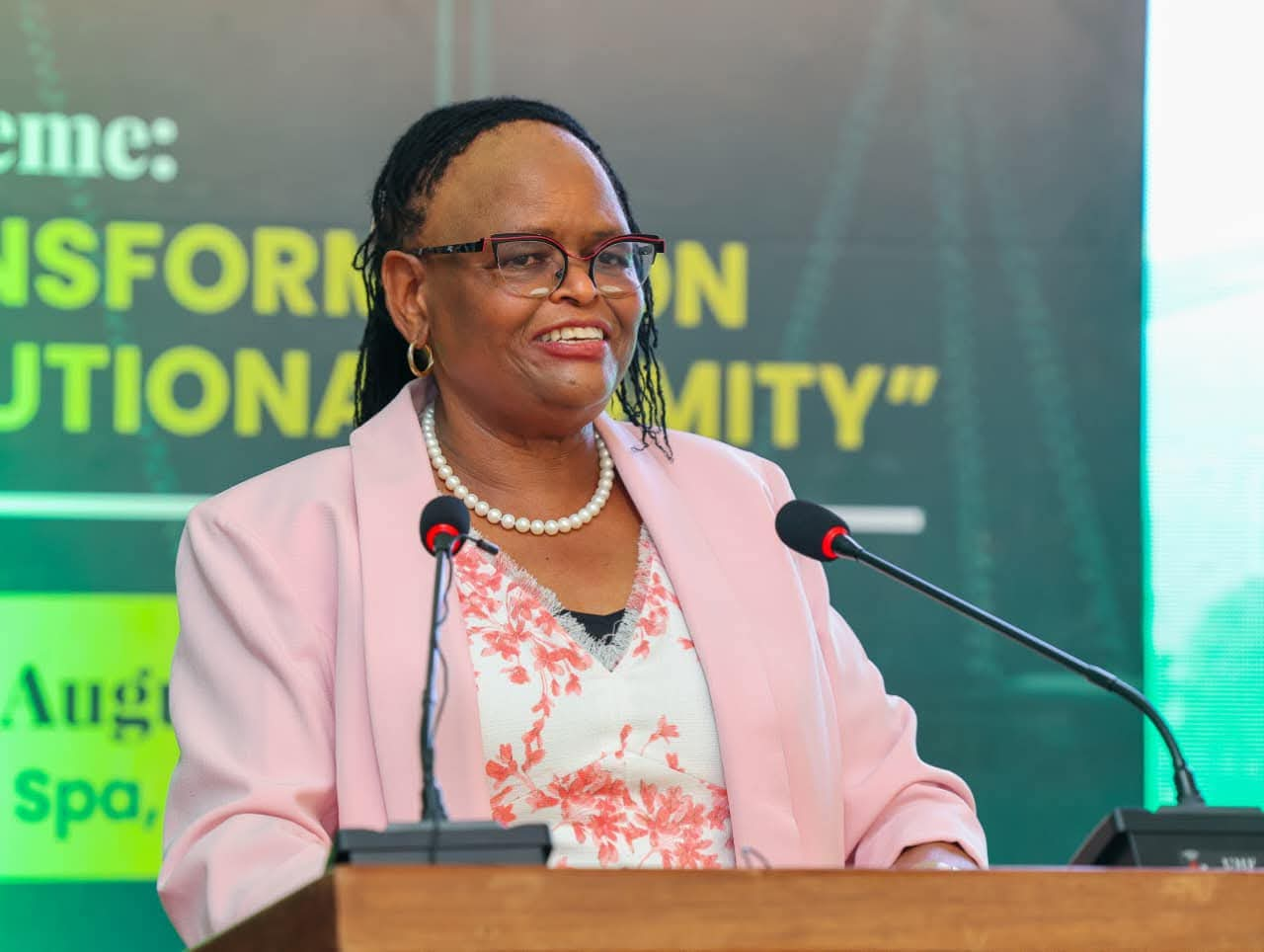
Chief Justice Martha Koome

National Assembly Speaker Moses Wetang’ula has voiced concern over the frequent issuance of conservatory orders by judges against the National Assembly, saying the practice disrupts the legislative process.
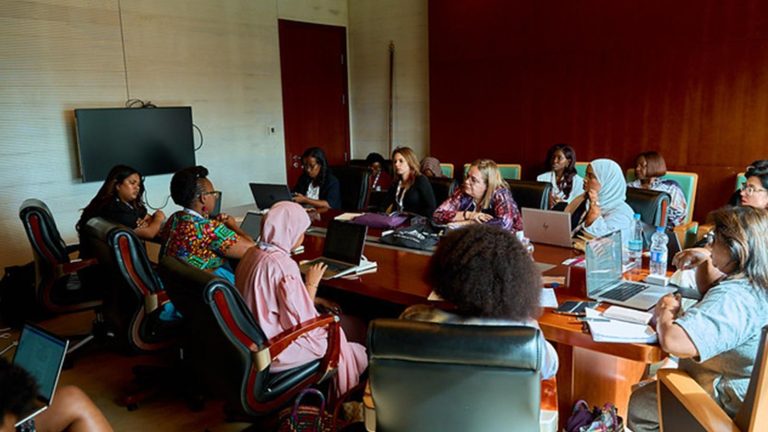
Speaking during a joint session between the National Assembly leadership and the Judiciary on the second day of the Third Leadership Retreat, Wetang’ula noted that several matters before Committees and the House have been halted due to such orders.
“This is a matter that needs to be addressed by the Judiciary urgently,” he said, adding that some hearings are pushed up to six months ahead, adversely affecting the progress of legislation.
The retreat was attended by Chief Justice Martha Koome and senior Judiciary officers.
Wetang’ula further urged the Judiciary to centralize cases filed against Parliament in Nairobi, where the institution is domiciled. He argued that such a move would cut costs and enable Parliament’s legal team to respond more effectively.
“Currently, our lawyers are forced to travel to upcountry courts, only to find magistrates on leave or transferred along with files,” he explained.
On Judiciary funding, Wetang’ula assured Chief Justice Koome of Parliament’s support in enhancing its budget. He acknowledged that the Judiciary’s requests were justified, particularly in light of its ambitious programme to expand access to justice.
Koome revealed that the Judiciary plans to establish magistrate courts in all 290 constituencies but currently has only 143.
She said underfunding by the National Treasury had slowed this effort and appealed to the National Assembly to intervene.
“The Judiciary requires enhanced allocations for infrastructure development. This will ensure equitable access to justice across the country,” she stated.
Koome emphasized that cooperation between the Judiciary and Legislature does not erode institutional independence. Instead, she argued, structured dialogue would prevent adversarial relations that often paralyze governance.
“This conversation is long overdue. Had we convened earlier, some misunderstandings and instances of working at cross purposes might have been avoided,” she said.
She added that the principle of separation of powers secures checks and balances but must be exercised in a spirit of constructive engagement. “Institutional comity does not erode independence. There is a difference between institutional independence and decisional independence. While institutions may engage, decisional independence remains sacrosanct,” she affirmed.
National Assembly Clerk Samuel Njoroge also called for enhanced knowledge sharing between Parliament and the Judiciary through their respective training institutions, the Centre for Parliamentary Studies and Training and the Kenya Judiciary Academy.
“Collaboration between our institutions of learning will strengthen capacity-building and reinforce professional growth for our officers,” he said.
The retreat, themed “Social Transformation through Institutional Comity,” sought to build consensus on shared priorities, fiscal planning for the 2025/26 financial year, and improved cooperation between Parliament and the Judiciary.
Similar Posts by The Mt Kenya Times:
- Mt Kenya Times ePAPER October 1, 2026
- Museveni backs Lamu but keeps Uganda’s money at home
- Sifuna’s party wins its name — and Kenya’s opposition race begins in earnest
- Lamu’s $16B gamble: Africa’s biggest refinery divides the region
- Ruto launches KSh2.2 trillion Lamu refinery in East Africa’s biggest energy bet
About the Author