Immunization: The Silent Guardian Protecting Kenya’s Children and Their Dreams
 The Mt Kenya Times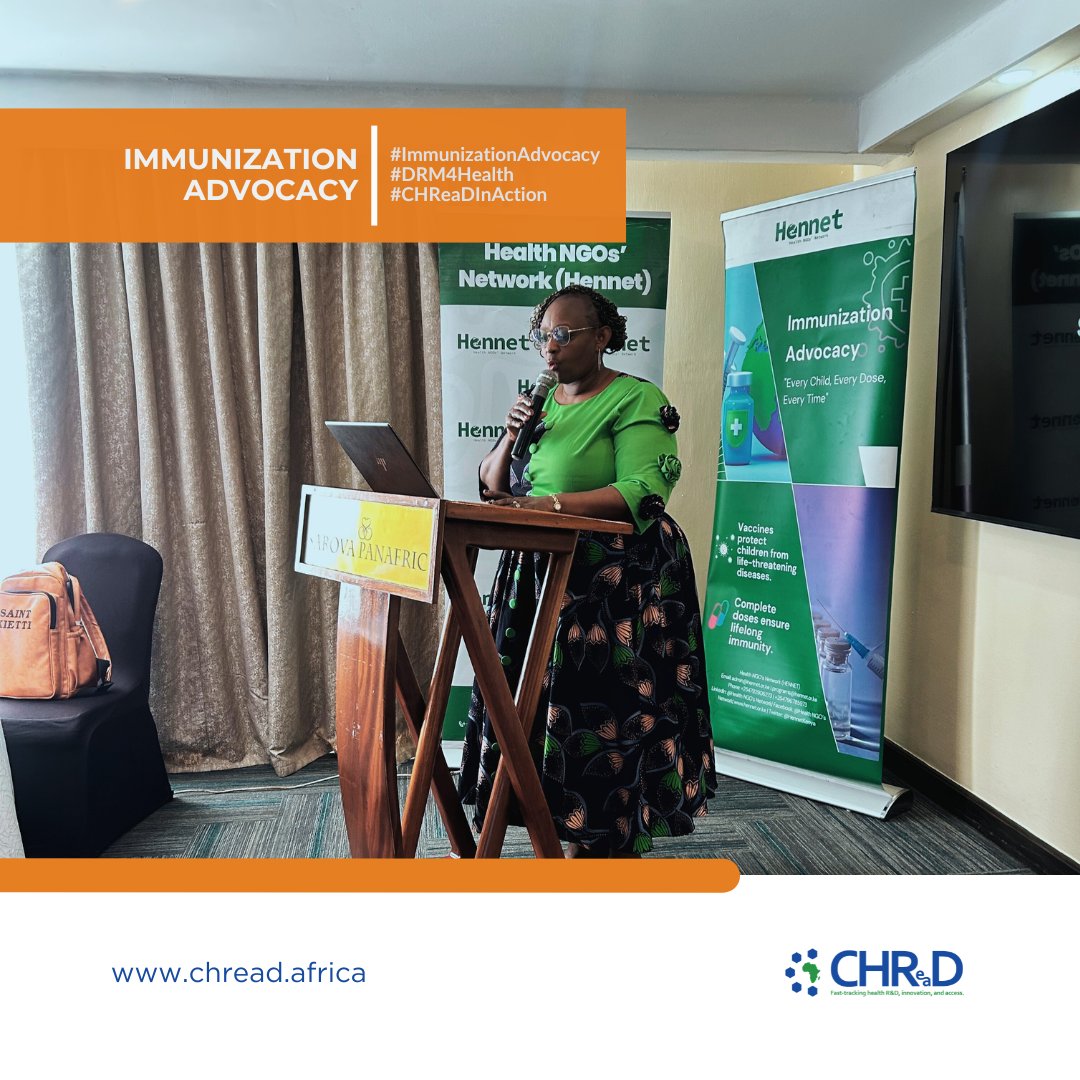
Margaret Lubaale, Executive Director of Hennet Kenya issuing her address
At a recent Immunization Advocacy Forum held in Nairobi, key stakeholders underscored the vital role of immunization in safeguarding children’s health and securing a brighter future. The event, which brought together government officials, health experts, and County First Ladies, aimed to strengthen community awareness and commitment to vaccination programs across Kenya. Margaret Lubaale, Executive Director of Hennet Kenya, delivered a powerful message during the forum, describing immunization as “the silent guardian that protects not just our children’s health, but their dreams as well.” Her statement resonated deeply with attendees, highlighting the lifelong benefits that vaccines offer in preventing deadly and debilitating diseases.
The forum was organized under the auspices of the County First Ladies Association, a group renowned for championing health and social causes at the grassroots level. The County First Ladies reiterated their commitment to amplifying immunization campaigns within their counties, recognizing that community engagement and education are key to overcoming vaccine hesitancy and misinformation. In her opening remarks, the chairperson of the County First Ladies Association emphasized the importance of immunization as a cornerstone of public health. “Vaccines save lives, reduce hospital admissions, and allow children to grow up healthy and active. As mothers and caregivers, we have a responsibility to promote vaccination in our communities,” she said.
Health officials present at the forum shared current data showing progress made in immunization coverage nationally but also pointed out the remaining challenges. Despite increased uptake, there are pockets of low vaccine coverage due to factors ranging from misinformation to logistical barriers in remote and underserved areas. The forum served as a platform for members to discuss innovative approaches to improving outreach and delivery of immunization services. Experts noted the ripple effect of vaccination beyond individual protection. Immunization contributes to herd immunity, protecting vulnerable populations such as infants and those unable to be vaccinated for medical reasons. Moreover, healthier children translate to stronger school attendance, improved learning outcomes, and ultimately greater socio-economic development.
Community health workers, who play a frontline role in vaccine administration, shared testimonies about challenges they face, including occasional resistance from families due to myths or cultural beliefs. The forum highlighted the need for ongoing training for these workers alongside sensitization campaigns tailored to local contexts. Collaborations between government agencies, non-governmental organizations, and local leaders were stressed as essential to sustaining momentum in immunization efforts. Participants called for enhanced resource allocation, supply chain improvements, and integration of immunization with other health services such as nutrition and maternal care.
At the forum’s close, a commitment statement was presented by the County First Ladies and partners, pledging to champion immunization advocacy within their jurisdictions. The forum also laid the groundwork for future community dialogues and media campaigns to keep immunization high on the public health agenda. The Immunization Advocacy Forum brought renewed energy and focus on Kenya’s vaccination goals, reinforcing the message that immunization is not only about preventing disease but about protecting the hopes and dreams of future generations. This collaborative effort promises to accelerate progress towards universal immunization coverage, ensuring healthier children and stronger communities across the nation
Similar Posts by The Mt Kenya Times:
- Mt Kenya Times ePAPER October 17-18, 2026
- Ruto bets billions on Kerio Valley — with one eye on 2027
- Ruto’s health ministry kills Murang’a’s digital hospitals
- Kenya bets on Mount Kenya to drive a billion-shilling tourism revival
- Do you have a wealth vision? Or are you just working until you die?
About the Author