Trump Embraces Ruto: Kenya Becomes America’s First Choice Partner in Africa

By: David Kimani
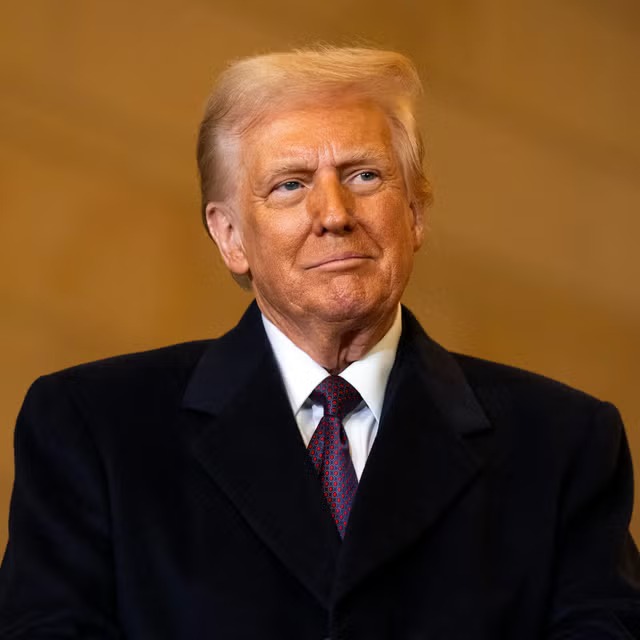
In a move that has sent ripples across the global diplomatic and economic landscape, President Donald Trump has embraced President William Ruto, positioning Kenya as the United States’ first choice partner in Africa for trade and strategic collaboration in the digital economy and manufacturing. This development marks a significant turning point in Kenya’s international relations, elevating the country’s profile as a hub of innovation, investment, and industrial growth while signaling a new era of bilateral cooperation that could reshape the continent’s economic trajectory. The embrace between Trump and Ruto is not merely symbolic; it represents a convergence of interests between two nations seeking to redefine their roles in a rapidly evolving global economy. For the United States, Kenya offers a gateway to Africa’s emerging markets, a stable democracy, and a government eager to champion reforms that attract foreign investment. For Kenya, the partnership promises access to advanced technologies, expanded markets for its exports, and a chance to position itself as a continental leader in digital transformation and industrialization.
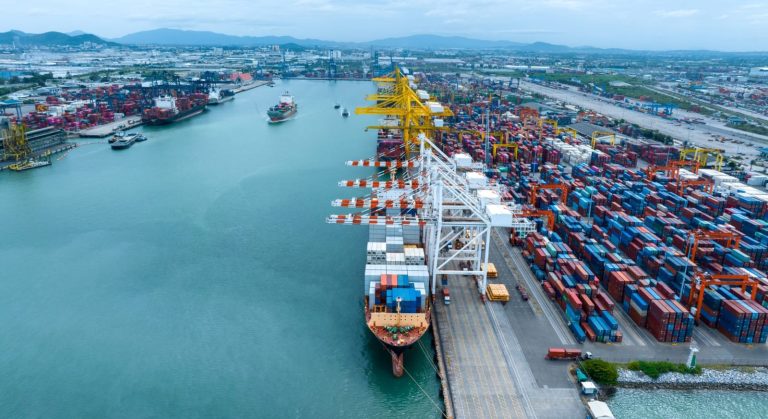
Observers note that Trump’s decision to prioritize Kenya reflects a pragmatic recognition of the country’s strategic importance. Kenya has long been viewed as East Africa’s economic powerhouse, with Nairobi serving as a regional hub for finance, technology, and logistics. The country’s investments in infrastructure, such as the Standard Gauge Railway and expanded port facilities, have enhanced its connectivity, while its thriving technology sector—often dubbed “Silicon Savannah”—has attracted global attention. By aligning with Kenya, the United States secures a reliable partner capable of anchoring its economic and geopolitical interests in Africa. President Ruto has consistently championed the digital economy as a cornerstone of Kenya’s future, emphasizing innovation, youth empowerment, and the creation of jobs through technology-driven industries. His administration has invested heavily in expanding internet connectivity, supporting startups, and promoting digital literacy, positioning Kenya as a leader in Africa’s tech revolution. Trump’s embrace of Ruto’s vision underscores America’s recognition of Kenya’s potential to drive digital transformation across the continent, with opportunities ranging from fintech and e-commerce to artificial intelligence and cybersecurity.
Equally significant is the focus on manufacturing, a sector that Ruto has identified as critical to Kenya’s economic growth and job creation. The partnership with the United States is expected to attract investment in industrial parks, value addition for agricultural products, and the development of export-oriented industries. By leveraging American expertise, capital, and technology, Kenya aims to accelerate its industrialization agenda, reduce reliance on imports, and create sustainable employment for its growing population. Trump’s administration has emphasized the importance of reshoring manufacturing and diversifying supply chains, and Kenya’s strategic location and skilled workforce make it an attractive partner in this endeavor. The embrace between Trump and Ruto also carries geopolitical implications. At a time when global powers are competing for influence in Africa, the United States’ decision to elevate Kenya as its primary partner sends a clear message. It signals Washington’s intent to counterbalance China’s growing presence on the continent, particularly in infrastructure and trade, by offering African nations alternatives rooted in technology, innovation, and mutually beneficial partnerships. Kenya’s willingness to engage with diverse partners while safeguarding its sovereignty makes it a valuable ally in this strategic contest.
The partnership is expected to yield tangible benefits for ordinary Kenyans. Increased investment in the digital economy will create opportunities for young entrepreneurs, expand access to online education, and enhance service delivery through e-government platforms. Manufacturing projects will generate jobs, boost local industries, and strengthen Kenya’s capacity to produce goods for both domestic and international markets. The infusion of American capital and expertise will also stimulate innovation, enabling Kenyan businesses to compete globally while fostering resilience in the face of economic challenges. Critics, however, caution that the partnership must be managed carefully to ensure that Kenya’s interests are protected. They warn against overreliance on foreign investment and stress the importance of building local capacity to sustain growth. Transparency, accountability, and equitable distribution of benefits will be essential to prevent exploitation and ensure that the partnership contributes to inclusive development. Ruto’s administration has pledged to prioritize these principles, emphasizing that Kenya’s sovereignty and long-term prosperity remain paramount.
The embrace between Trump and Ruto has also sparked optimism among regional leaders, who see Kenya’s elevation as an opportunity to strengthen East Africa’s collective bargaining power. As Kenya deepens its ties with the United States, neighboring countries may benefit from spillover effects, including improved infrastructure, expanded trade networks, and shared technological advancements. This could foster greater regional integration, positioning East Africa as a dynamic player in the global economy. For the United States, the partnership with Kenya aligns with broader efforts to reassert its influence in Africa. By investing in sectors that resonate with young populations—digital technology, manufacturing, and innovation—Washington seeks to build goodwill and long-term alliances. Trump’s embrace of Ruto reflects a recognition that Africa’s future lies in empowering its youth, harnessing its resources, and fostering sustainable development. Kenya, with its vibrant economy and visionary leadership, offers the ideal platform to advance this agenda.
 The symbolic power of Trump’s embrace should not be underestimated. In diplomatic circles, gestures often carry as much weight as policy statements, and the public display of warmth between the two leaders reinforces the perception of a strong and enduring partnership. It signals trust, mutual respect, and a shared commitment to advancing common goals. For Kenyans, the embrace is a source of national pride, affirming the country’s growing stature on the global stage. Looking ahead, the success of the partnership will depend on sustained commitment from both sides. Implementation of agreements, monitoring of progress, and continuous dialogue will be crucial to translating promises into reality. Kenya must continue to invest in education, infrastructure, and governance to maximize the benefits of the partnership, while the United States must honor its commitments and ensure that its engagement is genuinely supportive of Kenya’s development aspirations.
Ultimately, the embrace between Trump and Ruto represents more than a bilateral agreement; it is a vision of what global partnerships can achieve when rooted in mutual respect and shared ambition. It is a reminder that Africa is not merely a recipient of aid but a partner in shaping the future of the world economy. By choosing Kenya as its first choice partner in Africa, the United States has acknowledged the country’s potential to lead, innovate, and inspire. For Kenya, the embrace is both an opportunity and a responsibility—to harness the partnership for the benefit of its people and to demonstrate that African nations can thrive through collaboration, resilience, and vision. As the world watches, the embrace between Trump and Ruto may well become a defining moment in the history of Kenya’s rise as a global player, a moment that symbolizes hope, progress, and the promise of a brighter future for generations to come.
Similar Posts by The Mt Kenya Times:
- Literary Outreach Incubation Program Instills The Culture From Book Adaption To Spoken Words
- Why starting school too early is failing our children
- Who defines Africa’s destiny? The western lens, African compliance and the struggle for intellectual sovereignty
- A girl’s dream is the future of society
- Education is the key to success
About the Author


 Dan
Dan