Pan-African leaders call for borderless Africa and urgent continental unity
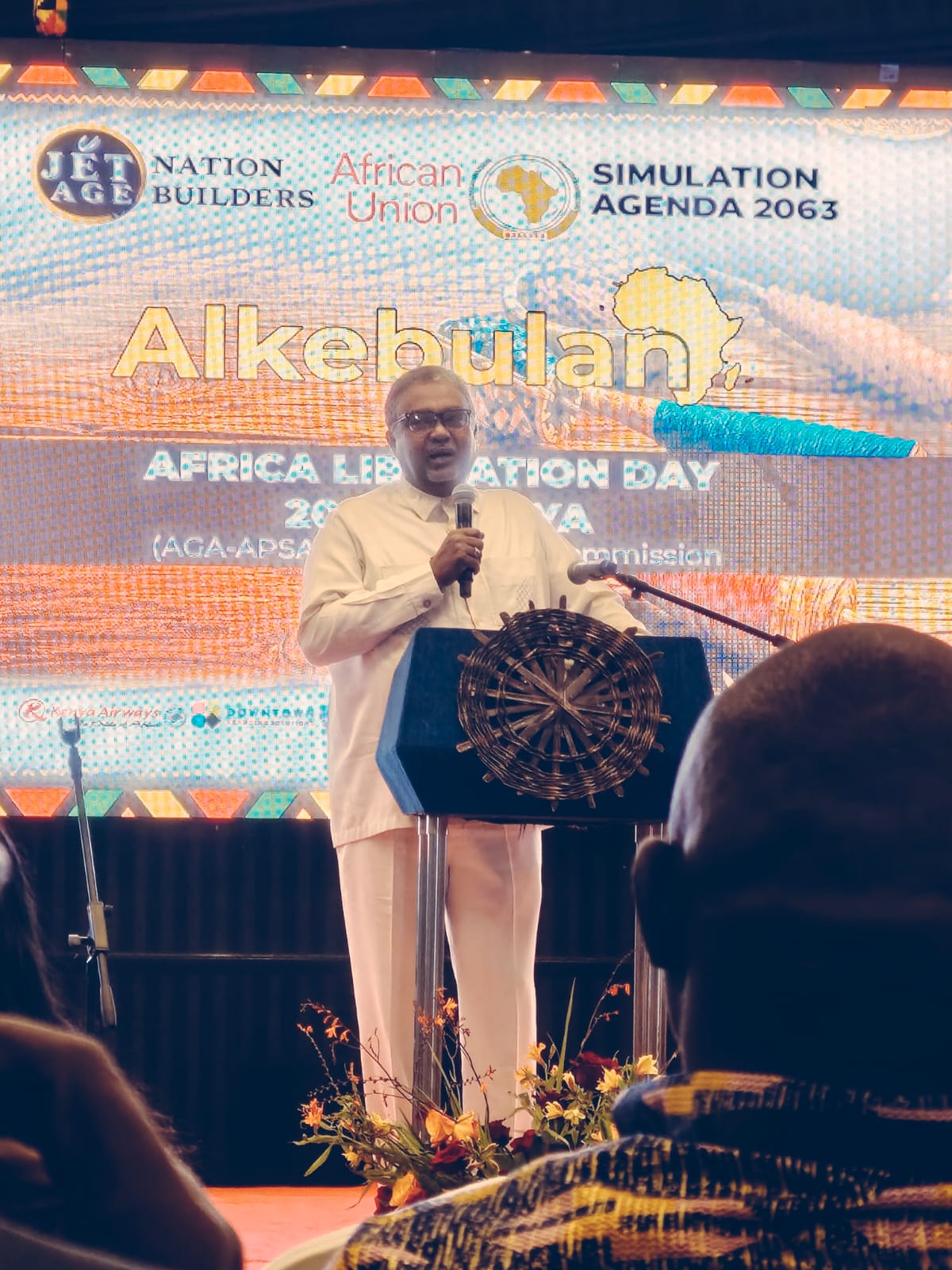
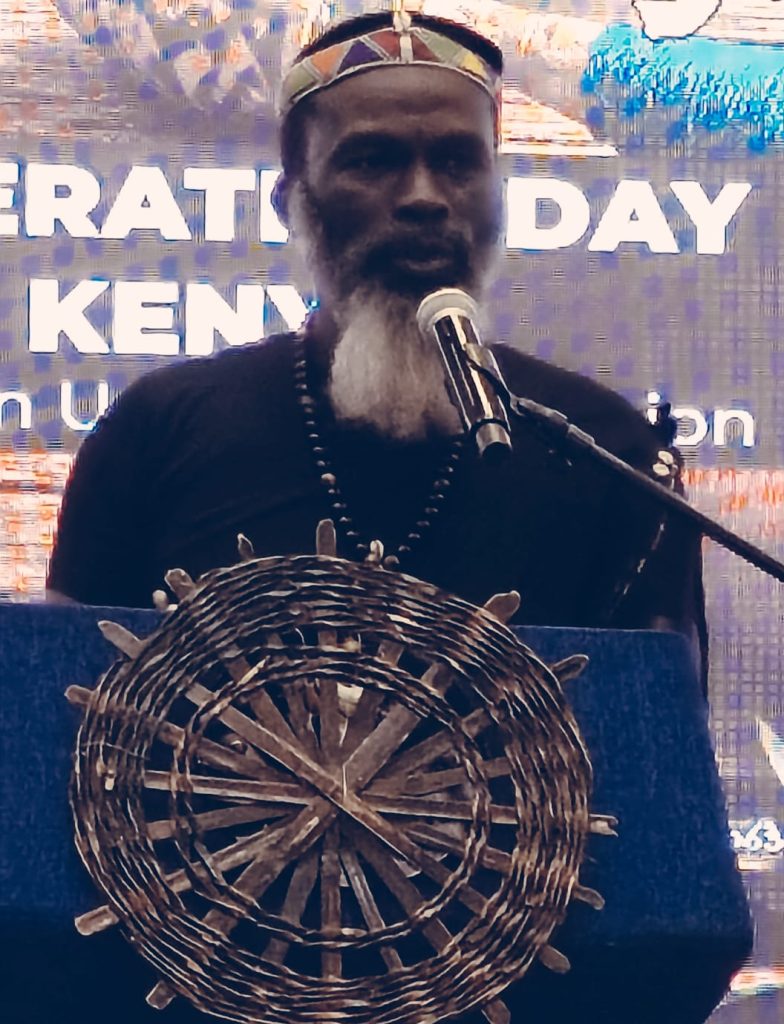
Ambassador Salah Hammed in Nairobi yesterday. Photos/Courtesy.
By WMW
Calls for a united, self-reliant and economically integrated Africa dominated discussions at the Africa Liberation Day meeting held at the Edge Convention Centre in Nairobi, where diplomats, scholars, governance experts and Pan-African thinkers urged Africans to move from rhetoric to action in addressing the continent’s challenges.
The gathering brought together prominent African voices who challenged leaders and citizens alike to embrace continental unity, strengthen regional cooperation and unlock Africa’s immense human and natural resources.
In a strongly worded closing statement, delegates said Africa could no longer afford division, dependency and political fragmentation in a rapidly changing global order.
“Africa does not need another generation of spectators. Africa needs builders — bridge builders, policy builders, peace builders, institution builders and hope builders,” the statement read.
Participants lamented that Africa has for decades exported its talent while remaining dependent on external systems and aid.
“For far too long, our borders have been stronger than our brotherhood,” the declaration stated.
“For far too long, Africa has been introduced to the world by her pain instead of her potential.”
The meeting, held to mark Africa Liberation Day, drew participants from across the continent, including senior officials from the African Union and leading Pan-African advocates.
Among the keynote speakers was PLO Lumumba, the Kenyan lawyer and renowned Pan-African intellectual, who electrified delegates with an impassioned appeal for a borderless Africa.
Prof Lumumba argued that African nations must dismantle restrictive barriers that hinder movement, trade and collaboration among Africans.
He said existing national borders should largely remain for administrative purposes while Africans should be allowed to move, trade and work freely across the continent.
“Africa must trade with Africa, believe in Africa and invest in Africa,” he said, adding that continental unity was no longer optional but necessary for economic and political survival.
Lumumba further argued that Africa’s future prosperity depended on collective solutions to shared challenges including poverty, underdevelopment, conflict and economic dependency.
Also addressing the gathering was Ambassador Salah Hammed, head of the African Governance Architecture and African Peace and Security Architecture (APA-APSA) at the African Union Secretariat.
Ambassador Hammed called on African leaders to strengthen unity and make better use of the continent’s vast resources, particularly its youthful population, which he said accounts for nearly 65 percent of Africa’s people.
He noted that many of the crises affecting the continent, including civil wars, drought, famine and instability could be addressed more effectively through stronger continental cooperation and political cohesion.
“If Africa is united, many of the problems ravaging the continent can be solved internally,” he said.
Other prominent participants included Joshua Maponga, Zimbabwean philosopher and public intellectual known for advocating African cultural identity and self-determination; Felix Achibiri, chairperson of the AU PPP Steering Committee for the 2026 Summit and Investment Forum; Mozambique’s CDE Samora, Ambassador Frederic Ngoga Gateretse, a Rwandan peace and security expert with the African Union as well as Ambassador Eugene Kavune Nzabonimba who is the founder and CEO of Global Union of Peace and Development (GUPD).
Delegates repeatedly emphasised the need for African-led solutions to African problems, increased intra-African trade, investment in innovation and stronger regional institutions.
The conference also highlighted the role of Africa’s diaspora, with speakers urging Africans living abroad to contribute not only remittances but also skills, investments and leadership toward the continent’s transformation.
Reading the meeting summary, Ogenna Walter Ekwubiri from Nigeria challenged Africans to “walk the talk” and move beyond symbolic declarations toward concrete implementation of Pan-African ideals.
The event concluded with a renewed call for African unity, peace and self-belief as delegates urged leaders and citizens to embrace a shared continental destiny.
Quoting the late South African leader Nelson Mandela, participants reminded attendees that “it always seems impossible until it is done.”
As delegates departed Nairobi, one message echoed throughout the convention hall: “Africa must unite not tomorrow, but now.”
In an interview at the sidelines of the forum, Ambassador Nzabonimba called on
African Union leaders to strengthen unity, peace, governance, and economic transformation.
Nzabonimba described Africa as a continent defined not by weakness but by strength, citing its abundant natural resources, rich cultural and spiritual heritage, intellectual capacity, technological potential, and youthful population.
Similar Posts by The Mt Kenya Times:
- Kalonzo and Muturi march into Gachagua country
- Faith and politics travel together for Gachagua in Washington State
- Gachagua: The man who would be kingmaker — or king
- High Court backs PPARB in Kenya Power security tender dispute
- A run with purpose: MUST takes aim at cancer and conservation
About the Author