Mbizo MP challenges stadium birthday party as Zimbabweans struggle
 The Mt Kenya Times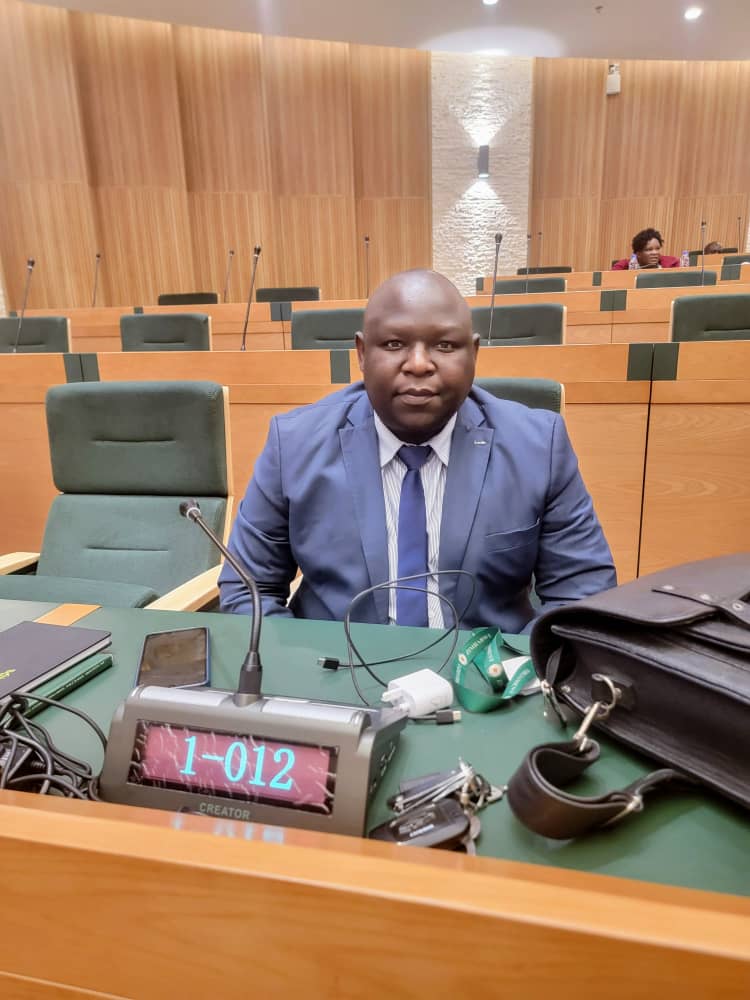
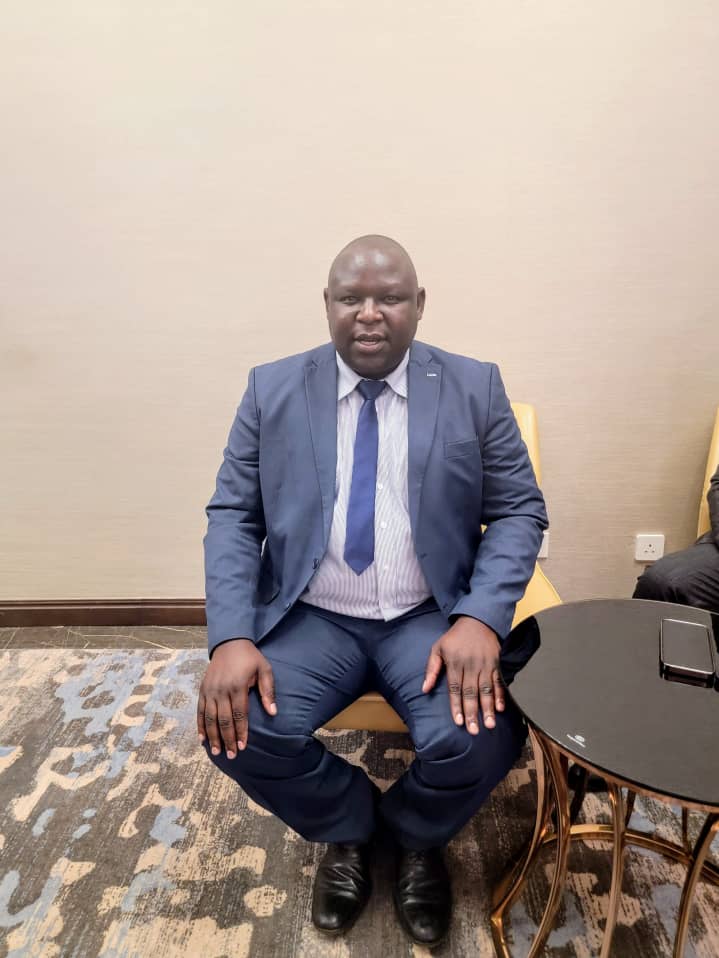
Mbizo Legislator MP. Hon. Corban Madzivanyika.
When the powerful celebrate loudly, the powerless notice.
By Norman Mwale
Mbizo legislator Mr. Corban Madzivanyika has publicly questioned the appropriateness of a lavish stadium birthday celebration held by a senior figure in President Emmerson Mnangagwa’s inner circle in Kwekwe, calling for greater restraint from the politically connected as ordinary Zimbabweans battle rising food, transport and healthcare costs.
Mr. Madzivanyika stopped short of naming the individual, describing him only as one of the president’s “right-hand men,” but his intervention landed with force in a constituency where the gap between political proximity and daily hardship is not abstract — it is measured in clinic shortages, unrepaired boreholes and classrooms without textbooks. The legislator’s concern was not with the act of celebration itself, but with its scale and symbolism at a moment when millions of Zimbabweans are counting every dollar.
The optics of abundance in a stadium, visible to all, while basic services remain absent from the surrounding wards, carry a social cost that economists and community leaders have long documented. “In times of strain, restraint is not a concession of weakness but a demonstration of awareness,” Mr. Madzivanyika said. “It signals to citizens that their pressures are seen, shared and factored into decisions.” The remark cuts to the heart of a debate Zimbabwe has not yet resolved: whether those with influence bear a moral obligation to calibrate their public conduct against the lived realities of the communities around them.
Faith leaders and civil society organisations in Midlands province have repeatedly argued that visibility carries moral weight. When resources are demonstrably abundant in one space while clinics in the same district cannot stock basic medication, the contrast does not go unnoticed. It erodes the social compact — the unspoken agreement between the powerful and the public that influence will be exercised with some regard for collective wellbeing. A stadium that can be filled for a personal milestone, community advocates note, can equally host a medical outreach camp, a youth skills fair or a fundraising drive for school infrastructure — platforms that would align convening power with constituency need.
Politically, the sensitivity of Mr. Madzivanyika’s intervention is compounded by the charged atmosphere in which criticism of figures close to the ruling establishment is weighed. His decision to veil the name of the celebrant reflects that reality — an attempt to elevate principle over personality in a space where the two are difficult to separate. Opposition voices and independent analysts in Kwekwe have cautioned that conspicuous displays by politically connected individuals, even when entirely privately funded, blur the line between personal entitlement and the standards of public accountability that citizens apply to anyone associated with power.
Economists add a structural dimension to the debate. Zimbabwe’s fiscal constraints remain acute, and development partners consistently direct pressure toward channelling resources into productive and social sectors. While private wealth is not public money, high-profile consumption by influential figures sets a tone that shapes spending culture and, in some cases, investment confidence. The counterargument from business advocates — that private celebrations inject short-term revenue into the hospitality, transport and events sectors — has merit, but it does not fully answer the question Mr. Madzivanyika has raised: whether the same platform and expenditure, redirected toward borehole rehabilitation, rural health outreach or vocational training, would generate returns of longer duration and wider reach.
The Kwekwe episode is not an isolated provocation. It is the latest instance of a tension that surfaces regularly across Zimbabwe’s constituencies — between the private freedoms of those who have accumulated wealth and influence, and the public expectations that accumulation inevitably attracts. In Mbizo, where political competition is keen and trust between representatives and residents is hard-won, the perception of excess does not need to be fair to be damaging. Perception, in politics, carries the weight of fact.
Mr. Madzivanyika’s remarks do not amount to a call for austerity as a performance, nor for the wealthy to apologise for prosperity. They amount to something more considered: an appeal for those with platforms to use them in ways that acknowledge the weight of the moment. Zimbabwe’s resilience — documented across decades of inflation, power cuts and structural hardship — should not be mistaken for indifference to contrast. Communities notice when convoys arrive at funerals but not at clinics, when stadiums fill for parties but not for public health drives, when generosity flows at occasions of personal significance but not at moments of collective need.
The conversation that began in Mbizo is, in the end, a conversation about what leadership looks like when the cameras are not pointed at a crisis but at a celebration — and whether those in positions of influence have the self-awareness to ask, before the music starts, whether this is the right moment to dance.
Similar Posts by The Mt Kenya Times:
- Kenya’s deadliest bridge to be replaced in KSh7.5B project
- Shell V-Power Tanker among seven merchant shipping tankers calling at the port of Mombasa
- KRA’s new import rules: Will mandatory cargo insurance push up the cost of goods?
- When universities shut down, small traders pay the price
- Sociolinguistic factors in the use of English Barbarisms among Uzbek youth
About the Author