Peace is everything: Why Kenya, Africa and the world must choose unity over division
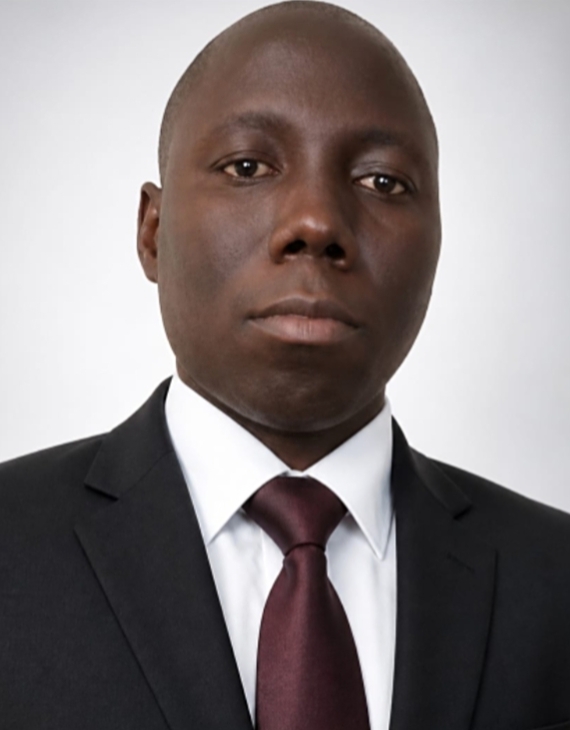
Amb. Eugene Kavune Nzabonimba This is a byline photo.
By Amb. Eugene Kavune Nzabonimba
In an age marked by uncertainty, conflict, economic hardship, and growing social tensions, humanity stands at a defining crossroads. Nations are grappling with political polarization, communities are facing divisions, families are burdened by economic pressures, and millions continue to suffer from war, poverty, injustice, displacement, and humanitarian crises.
Yet amid these challenges, there remains a powerful truth that must guide our collective future: peace is not merely the absence of conflict, it is the foundation upon which justice, development, prosperity, and human dignity are built.
Today, Kenya, Africa, and indeed the whole world are called to embrace a renewed commitment to peace, unity, reconciliation, prayer, justice, and hope.
The choices we make today will determine the kind of societies we leave for future generations.
If we desire a world characterized by stability, opportunity, and shared prosperity, we must place peace at the center of our national and global priorities.
Kenya’s greatest strength is its unity
Kenya remains one of Africa’s most influential and resilient nations. Blessed with remarkable diversity, entrepreneurial energy, strategic geographic positioning, and a vibrant population, Kenya possesses all the ingredients necessary for sustained national progress.
However, history has repeatedly demonstrated that no nation can achieve its full potential if it allows tribalism, political hostility, corruption, hatred, social exclusion, and division to flourish.
The future of Kenya will not be determined solely by government policies or economic indicators.
It will also be shaped by the choices made by ordinary citizens every day; choices to promote peace rather than violence, dialogue rather than confrontation, unity rather than division and service rather than self-interest.
National cohesion remains one of the most valuable assets any country can possess. When citizens view one another as partners rather than rivals, development becomes possible. When communities work together, businesses thrive, investments grow and opportunities expand.
Kenya’s strength lies not in its differences but in its ability to transform diversity into a source of national pride and collective progress.
At a time when many citizens face economic challenges, unemployment, rising living costs and social pressures, it is important to remember that difficult circumstances should never become an excuse for hopelessness. Throughout history, nations have overcome adversity through resilience, innovation, faith and collective determination.
Every generation faces its own trials, but no crisis is permanent.
Hope is not passive optimism. Hope is the courage to continue building despite obstacles. Hope is believing that tomorrow can be better than today. Kenya’s future remains bright because its people remain resilient. The nation possesses talented youth, hardworking farmers, innovative entrepreneurs, dedicated professionals, and strong communities that continue to support one another despite difficulties.
These strengths provide a solid foundation for national renewal and growth.
Africa’s time is now
Across the African continent, a new generation is emerging; educated, connected, innovative and eager to transform society.
Africa possesses some of the world’s richest natural resources, one of the youngest populations globally, vast agricultural potential, expanding markets and growing technological capabilities.
Yet the continent’s greatest resource is not found beneath the ground. It is found within its people.
The future of Africa cannot be built through dependency, conflict, corruption, or fragmented national interests. It must be built through visionary leadership, regional cooperation, investment in education, technological advancement, industrial development and sustainable economic policies.
The continent’s immense potential can only be realized when nations work together for the common good.
The African dream should not be limited to economic growth statistics. It should encompass human development, social justice, healthcare access, educational excellence, environmental stewardship and opportunities for future generations.
Every child should have access to quality education. Every young person should have the opportunity to contribute meaningfully to society. Every community should be empowered to participate in national development.
Africa’s rise is not merely an African aspiration; it is a global necessity. A peaceful, prosperous, and stable Africa benefits the entire world.
The time has come for Africa to take its rightful place among the leading regions of the world through unity, innovation, integrity and shared responsibility.
Leadership and youth: Building the future together
One of the defining challenges of our time is the crisis of leadership witnessed in many parts of the world. Public office should never be viewed as a privilege for personal enrichment. Leadership is fundamentally a responsibility to serve.
Whether in government, business, religious institutions, civil society, or community organizations, leaders must embody integrity, accountability, humility, wisdom and compassion. Citizens increasingly expect transparency and ethical governance. They desire leaders who listen, who unite rather than divide, and who prioritize the common good above narrow interests.
True leadership is measured not by titles or authority but by the positive impact made on people’s lives.
The most enduring leaders are those who leave behind stronger institutions, empowered communities and a legacy of peace and justice.
At the same time, no discussion about the future can ignore the central role of young people. Africa’s youth population represents one of the greatest opportunities of the twenty-first century. Young people possess creativity, innovation, energy, and the capacity to drive transformational change.
Yet many continue to face barriers, including unemployment, inadequate educational opportunities, substance abuse, crime and social exclusion.
Investing in youth is not charity; it is strategic nation-building. Governments, educational institutions, private sector actors, faith communities and development partners must work together to create opportunities that enable young people to thrive.
Young people must also recognize their responsibility to become agents of positive change. Violence, corruption, extremism and destructive behavior cannot build a better future.
Education, entrepreneurship, innovation, integrity and service remain the pathways to sustainable success.
The future belongs to those who are willing to prepare for it and work diligently to achieve it.
A global call for peace, reconciliation and hope
The world today faces numerous challenges that transcend national boundaries.
Armed conflicts, humanitarian emergencies, climate-related disasters, economic uncertainty and social divisions continue to affect millions of lives.
These realities remind us that humanity is interconnected and that lasting solutions require cooperation.
The pursuit of peace must remain a shared responsibility among governments, international organizations, religious institutions, civil society and citizens.
Dialogue remains more powerful than violence. Reconciliation remains more effective than revenge. Justice remains more enduring than oppression. Human dignity must remain at the center of all development efforts.
Faith communities also have an important role to play in shaping moral values, promoting social cohesion, and supporting vulnerable populations. In times of crisis, places of worship often become centers of comfort, healing and hope. Religious leaders must continue championing peace, compassion, justice, and respect for human dignity.
The challenges confronting humanity are too great for any nation to solve alone.
Climate change, poverty, migration, public health emergencies and security threats require cooperation that transcends borders.
Our common humanity must always be greater than our differences.
The future is not something that simply happens to us. It is something we collectively create.
Every act of kindness strengthens peace.
Every effort toward justice strengthens society.
Every commitment to integrity strengthens governance. Every investment in education strengthens development.
Every gesture of reconciliation strengthens humanity.
The choice before Kenya, Africa, and the world is clear. We can allow division, hatred, corruption, and conflict to shape our future, or we can choose unity, justice, compassion, and peace.
History consistently rewards nations and peoples who choose cooperation over confrontation.
As citizens, leaders, institutions and communities, we must commit ourselves anew to the values that uplift societies and strengthen nations.
Peace must become more than an aspiration; it must become a way of life.
For when peace prevails, development flourishes. When unity prevails, nations prosper. When hope prevails, humanity advances.
Indeed, peace is everything; and everything is peace.
The writer is the founder and Chief Executive Officer, Global Union of Peace and Development (GUPD)
Similar Posts by The Mt Kenya Times:
- Eng. Wangai Ndirangu sets out bold vision for a prosperous Nyeri County
- Walking in God’s Favour: A review
- Mt Kenya Times ePAPER June 8, 2026
- D-Day for Gachagua: a nation waits on a ruling that could rewrite Kenya’s politics
- Diaspora Times Global June 7 – June 13, 2026
About the Author