Every word, every action and every absence leaves its mark on a child’s life
By Hadassah Karangu
Children are often called the future of society. Governments invest in them, schools educate them, and communities work to protect them. Yet long before a child ever sets foot in a classroom or chooses a career, the most powerful lessons of life are already being taught at home — and the first teachers a child ever knows are their parents.
Before children learn from books, they learn from observation. Before they can follow instructions, they study behaviour. Before they can tell right from wrong, they watch the people closest to them and quietly imitate what they see. It is a simple truth, but one that carries a heavy responsibility, because children are always watching. They notice how their parents speak to one another, how conflicts are handled, when kindness is shown and when tempers flare. They absorb attitudes long before adults realise it, and often mirror them just as quickly.
A child raised in a home built on respect tends to learn respect. A child who witnesses generosity often grows generous in turn. One who sees honesty practised daily comes to value the truth, and one who feels genuinely loved and encouraged tends to grow up confident and secure. The influence parents wield is far greater than many realise — and it cuts both ways.
Children do not only imitate the good; they imitate the bad just as readily. A child who constantly hears insults may begin to speak the same way. One exposed to violence may come to see aggression as normal. A child who observes dishonesty may conclude that lying is simply how things are done, and one raised amid neglect may struggle to understand what care and attention even look like. Whether the influence is positive or negative, children take in far more than adults tend to notice.
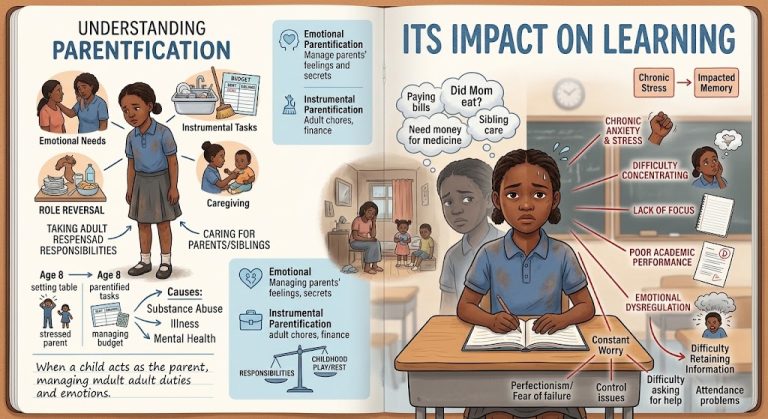
In many homes today, though, a different and quieter challenge is emerging — not harmful behaviour, but absence. Across communities, more parents find themselves consumed by work, business, financial pressure, social obligations and the general pace of modern life. The desire to build a better future for one’s children is understandable, even admirable; parents work tirelessly to pay school fees, put food on the table and create opportunities their own parents never had.
But in the process of providing, are some parents unintentionally becoming absent from their children’s lives? A child may have food, clothing and every school supply they need, and still feel emotionally neglected. A child may live in a comfortable home and still feel lonely. A child may be given every material thing they ask for while quietly longing for the one thing money cannot buy — the presence of a parent.
Many children today spend long hours alone. Some are left in the company of screens; others navigate the internet with little or no guidance. Many carry emotional struggles that go unnoticed. Parents come home exhausted, conversations grow shorter, family meals become rare, and meaningful interaction is gradually replaced by hurried exchanges and distracted attention. Slowly, a dangerous gap begins to open: the child is physically present, the parent is physically present, and yet emotionally, the two are worlds apart.
This raises an important question — are children truly safe? Safety, in most people’s minds, means protection from physical danger: accidents, crime, illness, unsafe surroundings. These concerns matter, of course. But safety extends well beyond the physical. A child can be perfectly safe from external harm and still be emotionally vulnerable — surrounded by people, yet quietly struggling with anxiety, loneliness, fear or confusion, and feeling unseen despite it all.
Today’s children are growing up in a world unlike any before it, with access to information at the swipe of a screen and exposure to ideas and pressures from every corner of the globe. Social media and digital platforms now shape opinions and behaviour at increasingly young ages. When parental guidance falls away, something else quickly fills the space: the internet becomes the teacher, social media the mentor, strangers the role models, and passing trends the values. This is rarely a rejection of parents — it is simply that every child instinctively seeks guidance, attention and a sense of belonging, and if those needs go unmet at home, children will look for them elsewhere.
The consequences can be serious. Children may become vulnerable to harmful influences, unhealthy friendships, risky online interactions and destructive habits. Some struggle silently for months, even years, before anyone notices. Others grow withdrawn, angry or rebellious — not because they are troubled children, but because they are trying, in the only way they know how, to communicate needs they cannot yet put into words.
Many parents are genuinely shocked when problems eventually surface. Yet, in hindsight, the signs were often there all along: the child who grew quiet, who spent more and more time alone, whose behaviour shifted without explanation, who seemed happy on the surface while struggling underneath. Children, more often than not, communicate through behaviour long before they find the words.
The real challenge for parents, then, is not simply to provide for their children — it is to truly know them. Do they know what their children fear, what excites them, who their friends are, what they are watching online, what questions they are too afraid to ask, what burdens they quietly carry? These are not questions answered by the occasional conversation. They require presence, patient listening and real, intentional effort.
Perhaps the greatest gift a parent can give is not money, technology or material comfort, but simply attention. A few minutes of honest conversation can leave a lasting impression. A shared meal can strengthen a bond. A word of encouragement can build a child’s confidence, and a willingness to listen can keep a child from ever feeling alone. Children may not remember every gift they were given, but they almost always remember how loved they felt — who listened, who showed up, who cared.
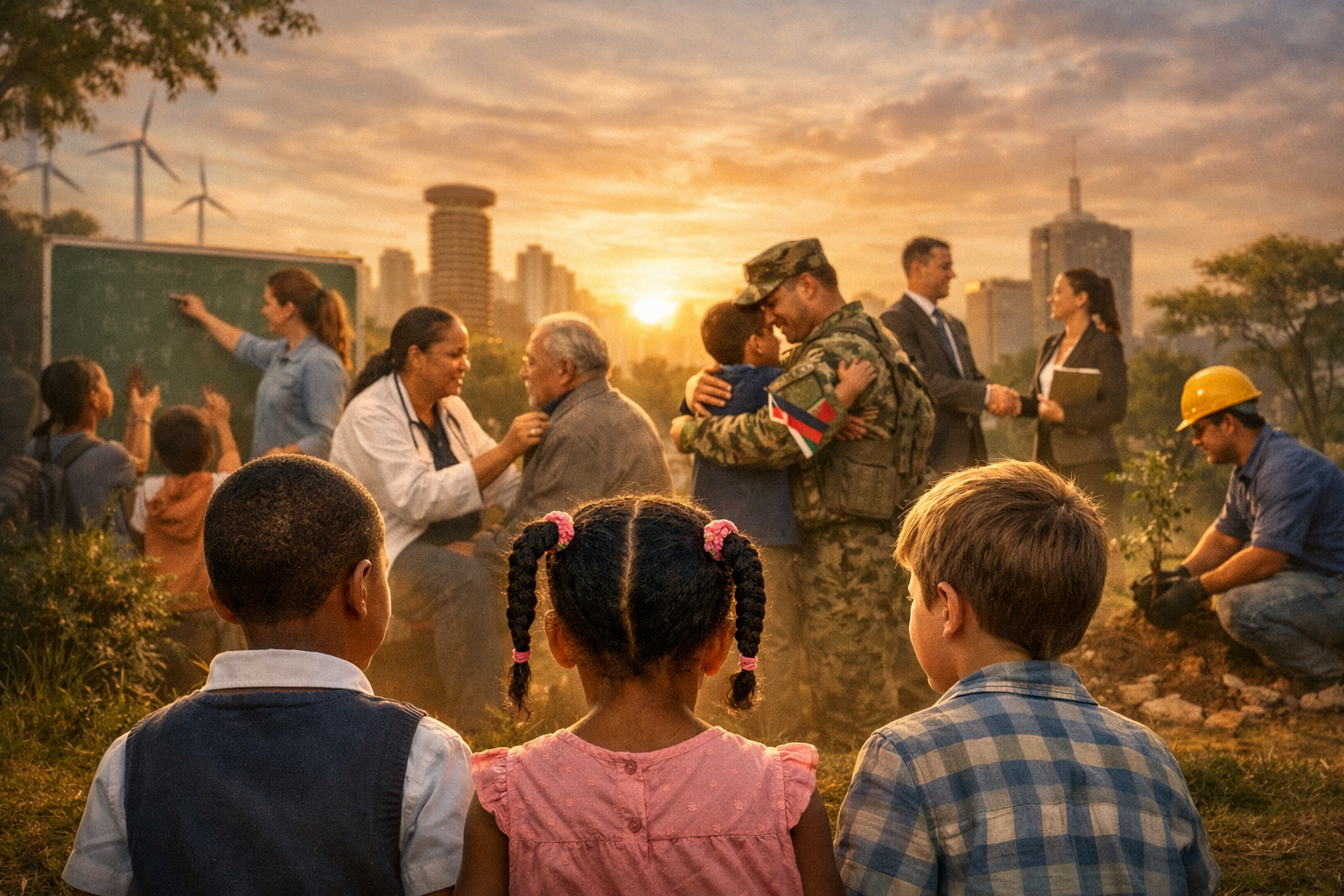
The future of society is being shaped, quite literally, at living rooms, kitchens and dining tables across the country today. The values children carry into adulthood are rooted, more often than not, in what they learned at home. Parents therefore carry a remarkable responsibility: their words matter, their actions matter, their example matters, and above all, their presence matters.
As society continues to change, perhaps the greatest challenge facing parents today is not raising successful children, but raising healthy, confident, compassionate and morally grounded human beings. That journey begins with a simple but powerful truth — children are always learning. The only real question is what they are learning from us, because long after childhood has passed, the lessons absorbed today will continue shaping the adults of tomorrow.
Similar Posts by The Mt Kenya Times:
- Mt Kenya Times ePAPER October 23, 2026
- Ruto’s parting COMESA call: Remove the barriers, honour the commitments
- Direct hospital access to KEMSA cuts drug delays, says PS
- Africa can’t wait: Continent seeks $1 trillion for climate adaptation
- Ruto passes the baton as Africa’s trade bloc faces a fragmenting world
About the Author