Secretary to the Cabinet leads Kenya in celebrating National Reading Day 2026
Nationwide event draws record turnout as government renews push for a stronger reading culture
By MKT Reporter
Kenya Friday marked National Reading Day 2026 with a national celebration at the Kenya National Library Service headquarters, Maktaba Kuu, reaffirming the country’s commitment to building a stronger reading culture and promoting lifelong learning at a time when strengthening foundational literacy remains a national priority.
According to UNESCO, roughly seven in ten children in Sub-Saharan Africa are unable to read and understand a simple text by age 10, a statistic that underscores the urgency behind sustained investment in reading and literacy programmes.
This year’s celebrations recorded a 23.5 per cent increase in participation compared with 2025, reflecting growing national momentum behind reading promotion. A total of 450 participants attended the main event, drawn from Nairobi and Nakuru counties.
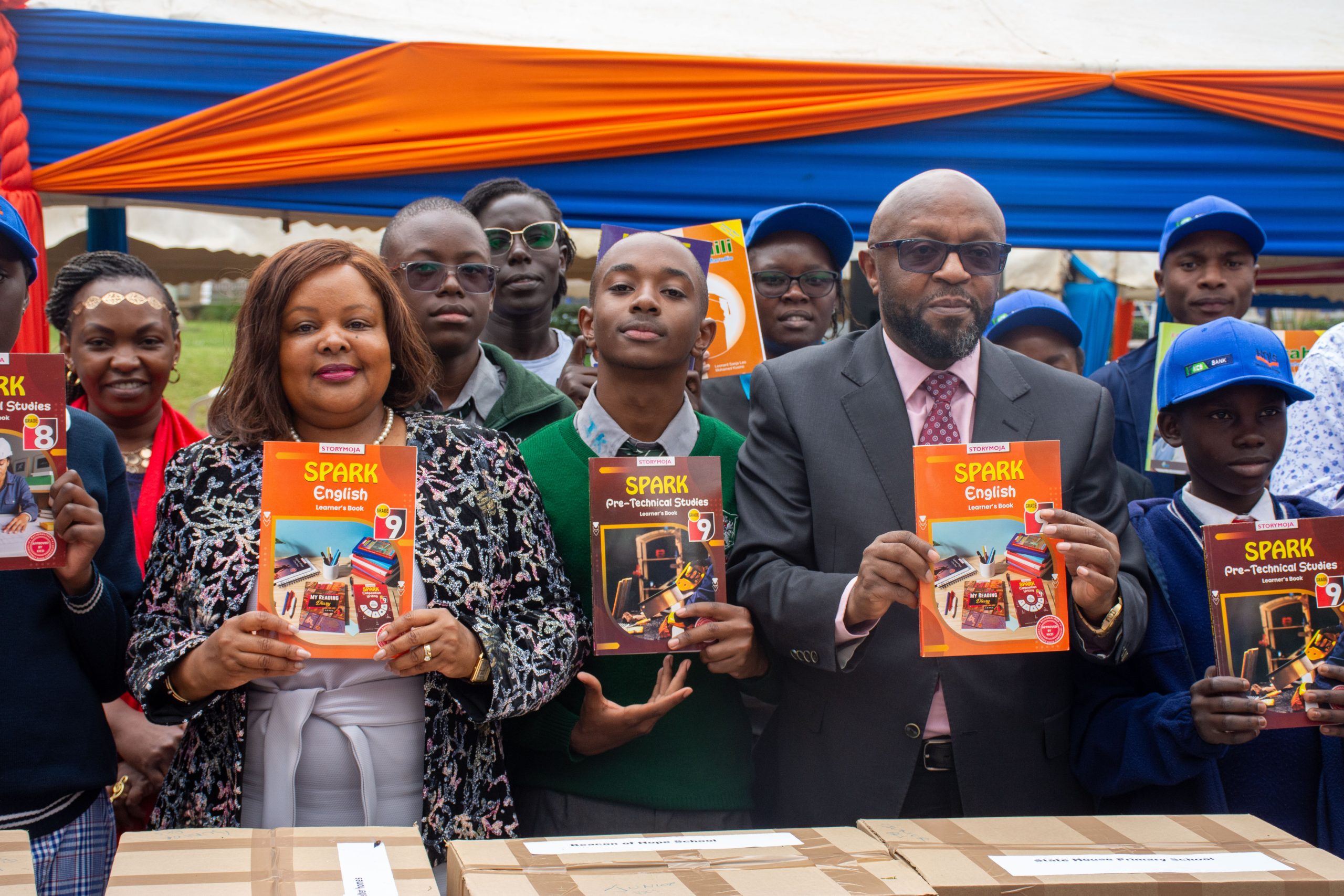
Secretary to the Cabinet Mercy Wanjau represented the government at the event and underscored the role of reading in empowering citizens, strengthening education, preserving culture and driving national development. Held under the theme “Our Stories, Our Future: Empowering Minds Through Reading,” the celebration brought together government institutions, development partners, publishers, authors, educators, librarians, learners and reading enthusiasts from across the country. Among the key partners present were the National Museums of Kenya, public and academic libraries, and publishers, alongside other stakeholders committed to advancing literacy and lifelong learning in Kenya.
The day began with a National Reading Day Book March, which saw hundreds of participants march through Nairobi in a symbolic call to embrace reading as a lifelong habit. The march was followed by cultural performances, storytelling sessions, school presentations, exhibitions, author engagements and the recognition of outstanding participants in the National Reading Day competitions.
Speaking at the event, Wanjau said fostering a reading culture is fundamental to nurturing informed, innovative and productive citizens. “Reading is not simply an educational activity. It is a national investment in human capital,” she said, adding that every child who develops strong reading skills is better equipped to succeed in school, participate in society and contribute to the country’s social and economic development. She commended the Kenya National Library Service and its partners for championing literacy initiatives that continue to transform lives and expand access to knowledge across the country.
The celebration comes as Kenya continues to implement the Competency-Based Curriculum, which places increased emphasis on literacy, critical thinking and independent learning. Education experts argue that cultivating reading habits both in and outside the classroom is essential to improving learning outcomes and preparing young people for a knowledge-driven economy. The continued expansion of digital library services has also widened access to information, with the KNLS digital library now serving 4,700 registered users, allowing more Kenyans to access books and educational resources online — a figure officials say reflects rising public demand for accessible learning resources.
Kenya National Library Service Director General Charles Nzivo reaffirmed the institution’s commitment to ensuring every Kenyan has access to books, information and opportunities to read. “Libraries remain one of the most powerful equalisers in society. By expanding access to books, digital resources and community learning spaces, we are helping build a generation of readers, innovators and informed citizens,” Nzivo said. He added that KNLS continues to modernise its services to remain relevant in the digital age while preserving Kenya’s literary and cultural heritage for future generations.
The week-long programme engaged more than 700 learners through storytelling sessions, reading engagements, competitions and other literacy activities designed to cultivate a lifelong love of reading among children and young people. Nine schools took part in the National Reading Day competitions and performances: Jonathan Gloag Academy, State House Primary School, Beacon of Hope School, Wanja & Kim School, St Juliet Primary School, Shelter Homes, Alliance High School, Upper Hill School and Heider Senior School. Organisers said their participation showcased creativity, critical thinking and a shared passion for reading.
The celebrations also featured the exhibition and donation of more than 2,500 books, widening access to quality reading materials for learners and communities. Activities were coordinated through three KNLS branches — Maktaba Kuu, Buruburu Library and Nakuru Library — to ensure broader outreach and public participation.
The event culminated in an awards ceremony recognising exceptional performance in the National Reading Day competitions, including reading quizzes, storytelling and creative writing, while honouring the schools, learners and partners who continue to champion literacy across the country.
Similar Posts by The Mt Kenya Times:
- Mt Kenya Times ePAPER October 10-11, 2026
- Cabinet clears path for pending bills payout in relief for Kenya’s struggling suppliers
- Karanja quits UDA and targets Nakuru governorship on Gachagua’s DCP ticket
- Gachagua’s team plants DCP flag in Kiambu as 2027 battle lines harden
- A moment of recognition for service in energy
About the Author