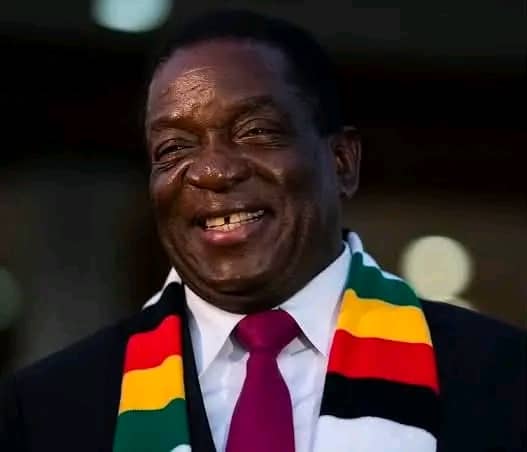
President Emmerson Mnangagwa
By Alice Nyamande
Zimbabwe deserves better than promises. It deserves proof.
President Emmerson Mnangagwa’s decision to remain in office until 2030, following the enactment of the Constitution of Zimbabwe Amendment Act No. 3 of 2026, continues to spark heated public debate. At the heart of it lies a fundamental constitutional question: should a change that extends the tenure of elected leaders be put to a national referendum, so citizens can express their will directly?
For many Zimbabweans, though, this debate goes beyond legal technicalities. It is about governance, accountability, and whether extending political office is justified by real improvements in ordinary people’s lives.
Zimbabwe continues to face deep economic and social challenges. Millions of citizens have left the country over the years in search of work, security, and better opportunities elsewhere. This exodus reflects hard truths about the difficulties many families face, and raises serious questions about the country’s ability to sustain its own people at home.
The healthcare system remains under enormous strain. Public hospitals regularly run short of medicines, equipment, and essential supplies, while many citizens struggle to afford consultation fees, treatment, or even transport to the nearest clinic. Maternal healthcare and other critical services continue to fall short, leaving vulnerable communities exposed.
The broader economy has also failed to deliver the growth and job creation many had hoped for. High unemployment, a swelling informal sector, rising living costs, and shrinking purchasing power have left households struggling to meet basic needs. Despite repeated promises of economic transformation, many Zimbabweans feel meaningful change has yet to arrive.
Against this backdrop, extending a presidential term naturally invites scrutiny. Citizens have every right to ask what exceptional national interest is served by prolonging an administration’s tenure while so many long-standing challenges remain unresolved. These are not hostile questions. They are democracy doing what it is meant to do.
Democracy asks those entrusted with public office to keep demonstrating, in real and measurable ways, that their leadership is improving people’s lives. Extending political power should come with clear evidence of progress in healthcare, education, employment, infrastructure, economic stability, and public service delivery, not more rhetoric.
Zimbabwe’s future depends not on how long any one leader stays in office, but on the quality of governance delivered while they are there. History will ultimately judge this administration, as it judges every administration, by the lives it improved, the institutions it strengthened, and the opportunities it created for its citizens.
Issued by: Alice Nyamande, President, Action Democratic Movement (ADM)
Similar Posts by The Mt Kenya Times:
- Laikipia University: A natural haven for learning
- Why you should not milk a Kenyan buffalo
- Beyond the scars: The grief, fear and hope of living after breast cancer
- Obaga Momanyi hosts free medical camp for Persons with Disabilities in Bonchari
- How Kenya’s economic titans feast while competition law serves as courteous footnote
About the Author