When advocacy meets politics: Crystal Asige’s removal raises questions about representation and inclusion
 The Mt Kenya Times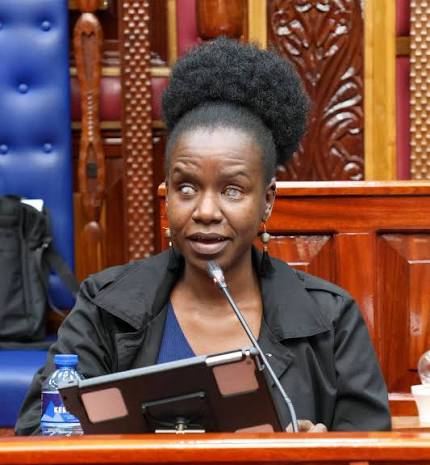
Crystal Asige
Her committee seat may be gone, but the debate she has sparked is only getting louder
By Hadassah Karangu
Politics is often described as a game of numbers, negotiations and shifting alliances. Committees are reshuffled, leadership positions rotate and political priorities evolve with the seasons. Yet every so often, a decision cuts through the procedural noise and sparks a conversation the country genuinely needs to have. The removal of nominated Senator Crystal Asige from the Senate Committee on Roads, Transport and Housing is precisely that kind of moment.
Responding to her removal, Asige described the decision as a setback to her advocacy for persons with disabilities — but was equally clear that it would neither silence her voice nor diminish her commitment to serving Kenyans. That response alone has ignited debate across the country, with many asking a pointed question: should committee appointments take into account a member’s expertise and lived experience, particularly on issues affecting vulnerable groups?
For many Kenyans, Asige has become one of the most visible and credible advocates for disability rights in recent memory. Her work has consistently pushed for more inclusive transport systems, accessible public infrastructure and a shift from disability rights existing only on paper to mattering in everyday life.
Her removal from a committee directly responsible for roads, transport and housing therefore invites scrutiny. Should expertise and demonstrated passion for a particular issue carry weight when parliamentary committees are constituted? Or do political considerations inevitably — and perhaps legitimately — take precedence?
The stakes are real. Persons with disabilities continue to face significant barriers across Kenya. Many public buildings remain inaccessible. Pedestrian walkways routinely lack ramps. Public transport is rarely designed with disability in mind. Access to housing, education, employment and healthcare remains a daily obstacle for millions of families.
These are not niche concerns. They are human rights issues — ones that go to the heart of the dignity, independence and equal participation of millions of Kenyans in national life.
Parliamentary committee work is where much of the serious business of governance actually happens. It is in committees that legislation is scrutinised in detail, amendments are proposed, oversight is exercised and practical solutions are hammered out. Removing a strong advocate from a committee closely aligned with their area of expertise is therefore more than an administrative adjustment. It is a decision with consequences for how consistently certain issues receive attention — and from whom.
That said, committee reshuffles are a normal feature of parliamentary life. Political parties regularly reorganise their representatives based on shifting priorities, internal strategies or coalition dynamics. A reshuffle does not, by itself, mean a legislator has fallen short or that their contribution is no longer valued.
Which is precisely why Asige’s response matters. Rather than treating her removal as a full stop, she reaffirmed that her commitment to Kenyans is unchanged. That steadiness reflects something important about public service: genuine leadership is not defined by which committee you sit on, but by the consistency of your voice and the depth of your dedication to the people you represent.
The wider debate, however, carries a message for the institution as a whole. Disability inclusion should never rest on the shoulders of one individual. Every senator, every member of the National Assembly and every public institution carries a constitutional obligation to consider the needs of persons with disabilities when crafting policy and making decisions. Inclusion is not a single committee’s mandate or a single leader’s cause. It is a national responsibility.
As Kenya modernises its transport systems and expands its urban infrastructure, accessibility must stop being treated as an optional feature or a goodwill gesture extended to a deserving few. It is a constitutional right — and one that ultimately benefits everyone, including older persons, parents with young children and anyone recovering from illness or injury.
The seat may have changed hands. The conversation, thankfully, is not going anywhere.
Similar Posts by The Mt Kenya Times:
- Mt Kenya Times ePAPER September 15, 2026
- Court ruling clips Kenyatta’s wings at the worst possible moment
- Ruto takes the sponsor war to Nyanza — and finds a warmer welcome than his opponents expected
- Kisumu water project lays foundation for dignified urban growth
- The months ahead offer Kenya a golden opportunity to grow tourism
About the Author