
When viral fame finds ordinary Kenyans: The night the internet decides you are famous
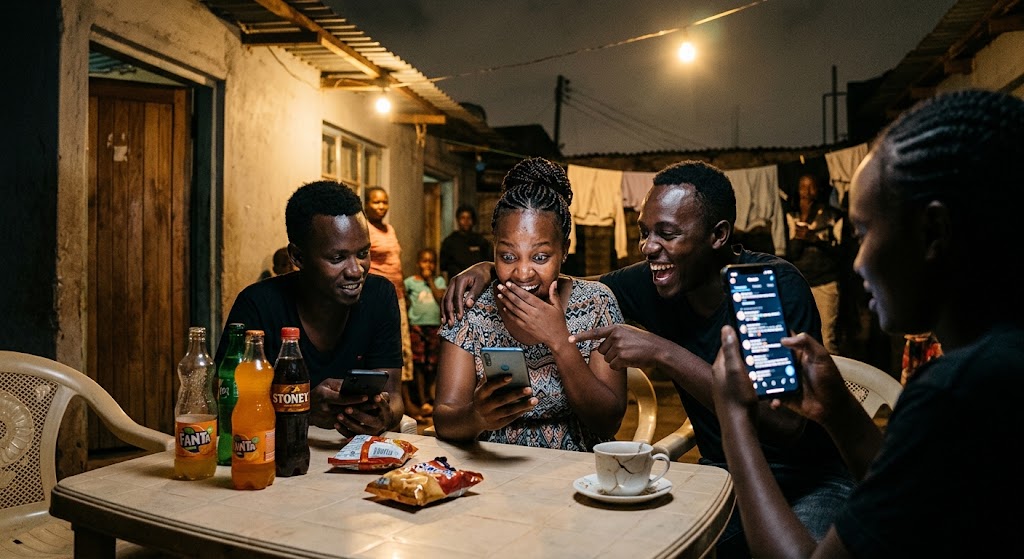
From TikTok clips to national household names, ordinary Kenyans are discovering that going viral can change your life overnight — but fame always comes with a price

By Charles Irungu Gachango
One minute you are living your life. The next, strangers on the internet know your name, your face, your family and, sometimes, far more about you than you ever intended to share.
Welcome to Kenya’s new school of celebrity.
No record deal required. No television audition. No red carpet invitation. Sometimes all it takes is a smartphone, a few seconds of footage and an algorithm that decides your story deserves the country’s attention. For a growing number of ordinary Kenyans, TikTok, Instagram, Facebook and X have become unlikely launchpads into the public spotlight. And the journey can be as unpredictable as it is exciting.
A funny moment can make you famous. A song can make you famous. A relationship, a personal struggle, or simply being yourself can make you famous. But what happens when the internet stops scrolling past you and starts watching you?
Vincent “Kaluma Boy” is among the most striking recent examples of that question being answered in real time. The teenager from Othaya, in Nyeri County, drew national attention after sharing videos documenting his everyday life and the heavy responsibility he carried caring for his ailing father. There was no elaborate production, no celebrity machinery — just a young Kenyan recording his reality.
Then the internet did what it does best. It amplified it.
His videos were shared widely. His story travelled well beyond Nyeri, reaching Kenyans across the country and eventually spilling into the real world, with people making the journey to his home to offer support.
What made the story resonate was its familiarity. Many Kenyans could see something of themselves in it — family responsibility, sacrifice, rural life and the sometimes crushing expectations placed on young shoulders. The internet did not simply discover a content creator. It discovered a story. And in the process, Kaluma Boy became a public figure almost entirely by accident.
His experience also demonstrated that going viral carries consequences beyond likes and comments. Public attention can open doors — bringing support, opportunities and connections that might otherwise have remained out of reach. That is the beautiful side of viral fame.
There is, however, another side.
Traditional celebrities usually have time to prepare. They build careers gradually, learn how interviews work and, over time, acquire managers, publicists and advisers who help them navigate contracts, publicity and the sometimes peculiar demands of being well known. The viral celebrity may get none of that preparation.
Today, you are an ordinary Kenyan. Tomorrow, someone recognises you at the supermarket. A stranger asks for a selfie. Someone messages you asking about your family. A blog publishes your story. A radio station wants an interview. A brand is already thinking about a campaign. And somewhere online, thousands of people are discussing you — your past, your choices, your family.
It can be exciting. It can also be overwhelming.
The strange thing about internet fame is that followers develop a powerful sense of intimacy with someone they have never met. They know the creator’s jokes, mannerisms, family stories and daily routines. They celebrate the wins and dissect the mistakes. The audience can feel like an extended family. But unlike an actual family, that audience can number in the thousands — or the millions. And not everyone watching has good intentions.
Which brings us to the sharpest edge of viral fame: privacy.
The biggest currency of social media is attention. The biggest cost is often privacy. Once something goes viral, it is almost impossible to put it back. A video can be downloaded, reposted and shared across multiple platforms within minutes. Even deleting the original may not erase it from the internet.
This becomes particularly complicated when the viral content involves deeply personal matters — illness, poverty, grief, relationships or family difficulty. Kenyans are well known for rallying around people in need, and social media has made that generosity even more powerful. A story can trigger fundraisers. A struggling family can receive assistance. A young person can find an opportunity that transforms their life.
Someone who was previously invisible can suddenly find themselves with a national support system. But the question is worth asking plainly: when does public interest become an invasion of private life?
Similar Posts by The Mt Kenya Times:
- Mt Kenya Times ePAPER September 19-20, 2026
- Kenya joins US and UK to put citizens on the terrorism frontline
- Kenya’s parliament races to tame the AI frontier
- Kalonzo calls Ruto to order over Uhuru attacks
- Gachagua takes his 2027 campaign to America
About the Author




For someone who’s gone viral from a video I can relate to the article