Dangote refinery: Kenya’s biggest investment or another land conflict?
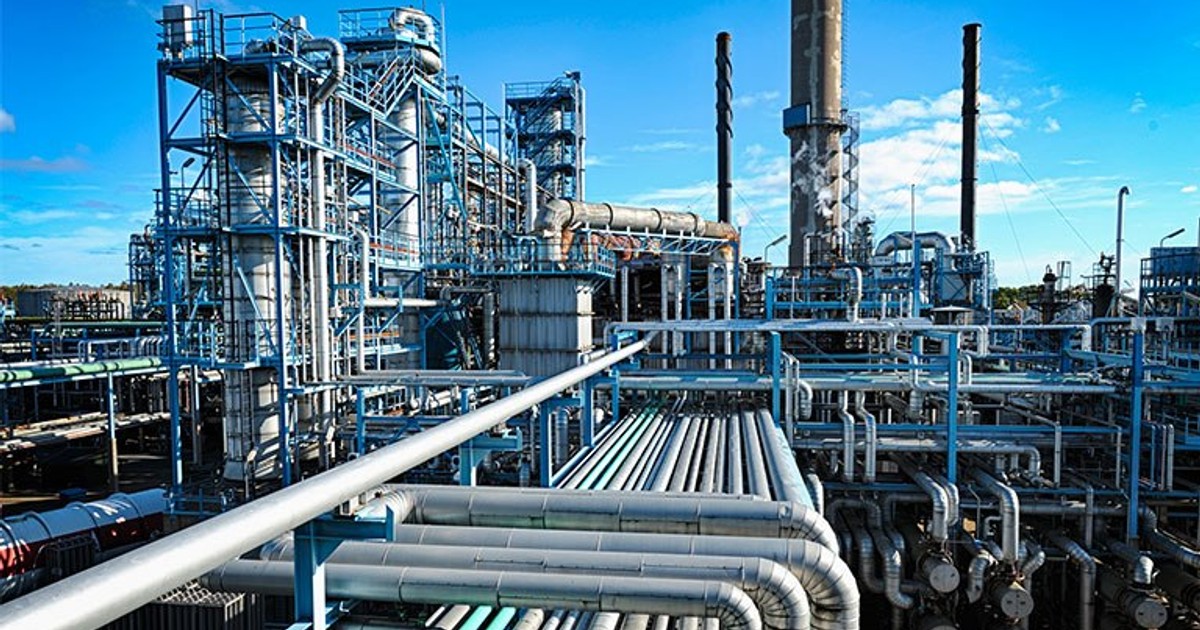
A KSh2.2 trillion oil refinery promises to transform Lamu and the region — but a court dispute over ancestral land threatens to overshadow it
By Collins Kibet
Kenya is standing at a defining moment. The proposed Dangote East Africa Oil Refinery in Lamu has been placed at the centre of the country’s industrialisation agenda, presented as a potential game-changer for the energy sector, with promises of employment, investment and stronger regional trade. Yet behind the excitement lies a question Kenya has confronted repeatedly in its development history: can the country pursue major economic projects without creating new conflicts over land and community rights?
The proposed refinery, estimated to cost KSh2.2 trillion, is expected to rank among the largest private investments ever undertaken in Kenya. Its planned processing capacity of up to 700,000 barrels of crude oil per day would give it enormous significance within East Africa’s petroleum industry. For a country that relies heavily on imported refined petroleum products, the facility could reduce that dependence while allowing Kenya to retain more value from its energy resources. It would also strengthen Lamu’s position as a commercial, transport and energy hub.
The economic case
The expectations surrounding the project are considerable. Supporters argue that the refinery would generate employment, stimulate local businesses and draw further investment to Lamu. Construction alone would create opportunities for engineers, technicians, contractors, suppliers and a range of other workers, while the completed facility could sustain thousands of jobs directly and indirectly. Demand for accommodation, food, transport and construction materials would give small businesses a meaningful boost.
The refinery would also transform Lamu’s strategic importance. Within the broader framework of the Lamu Port-South Sudan-Ethiopia Transport corridor, the area has already been positioned as a key trade and energy gateway. A large refinery connecting petroleum production, transportation, storage and distribution would strengthen Kenya’s ambitions to become a regional logistics and economic centre. The arrival of heavy machinery and construction equipment ahead of the planned groundbreaking has already signalled the scale of what is being prepared.
The land dispute
The economic promise, however, has arrived alongside a land conflict that cannot be set aside. A group of 133 Lamu residents has challenged the project in court, arguing that land earmarked for the refinery includes areas their families have occupied and used for generations. The petitioners have raised concerns about customary land interests, compensation, public participation and the potential effect on homes, farms, religious sites and family graves. The court has yet to make a final determination on the substantive dispute.
The Malindi Environment and Land Court has ordered that the status quo on the disputed land be maintained pending further proceedings. The case is scheduled for further consideration in October. Meanwhile, the Dangote Group has maintained that the planned groundbreaking will proceed, and the government has continued to back the refinery as a major priority. The legal process means the project must now navigate the expectations of investors alongside the rights asserted by affected residents.
Development and ownership
The land question draws the refinery into a wider national conversation. Kenya needs investment, infrastructure and industrialisation — but development cannot be separated from the rights of citizens. For many communities, land is not simply an economic commodity. It carries family history, cultural identity, livelihoods and generational connection. When a major project is proposed on land that communities regard as ancestral territory, the economic argument alone rarely resolves the tension.
Kenya has seen this before. Disagreements over land, compensation and community participation have delayed projects, increased costs and eroded public confidence in the past. More consequentially, they have left communities feeling that national development was being built at their expense. The Dangote refinery presents an opportunity to demonstrate that large-scale investment and the protection of community interests are not mutually exclusive.
What success should look like
Transparency will be essential. A project of this scale demands clear information about land ownership, compensation arrangements, environmental safeguards, employment opportunities and how benefits will be distributed. Affected communities need genuine opportunities to raise concerns and receive honest answers. Where legitimate disputes exist, independent legal processes must be allowed to run their course without political or commercial pressure.
The government also carries the responsibility of ensuring that promised benefits reach the people closest to the project. It is not enough for Lamu to host a massive industrial facility while local residents remain unemployed and outside businesses capture the bulk of the opportunities. If the refinery moves forward, local employment, skills development and procurement should become key measures of whether the project is delivering genuinely inclusive growth.
The concerns of the 133 petitioners should not automatically be read as opposition to development. Communities can support economic transformation while demanding recognition of their rights. Supporting investment, equally, does not require dismissing legitimate questions about land, compensation or environmental impact. The challenge is building a framework in which development proceeds while lawful rights and community interests are protected.
The deeper question
The Dangote refinery could become a landmark in Kenya’s industrialisation journey — strengthening the energy sector, creating economic opportunity and raising Lamu’s profile across East Africa. But its long-term legitimacy will depend on more than its financial size or industrial output. It will depend on whether the communities affected believe the process was fair, transparent and respectful of their rights.
Kenya needs investment. It needs jobs and industrialisation. But it also needs justice and public trust.
The ultimate measure of the Dangote refinery will therefore not be counted only in barrels of oil, billions of shillings or kilometres of pipeline. It will be counted in whether the people of Lamu feel they were included in the future being built on their land.
That is the question Kenya must answer — and the answer will matter long after the refinery is built.
Similar Posts by The Mt Kenya Times:
- Gachagua’s DCP holds strategic NEC meeting ahead of 2027 polls
- Sifuna’s unending party ownership hurdles
- From leading within to changing the world: The Fredah Mainah story
- Kagwe launches nationwide soil testing drive to guide fertiliser use
- Mombasa’s new energy mandate: Turning regional trade into shared prosperity
About the Author