Kenya’s political weather: A nation between development promises, public accountability and the 2027 election
 The Mt Kenya Times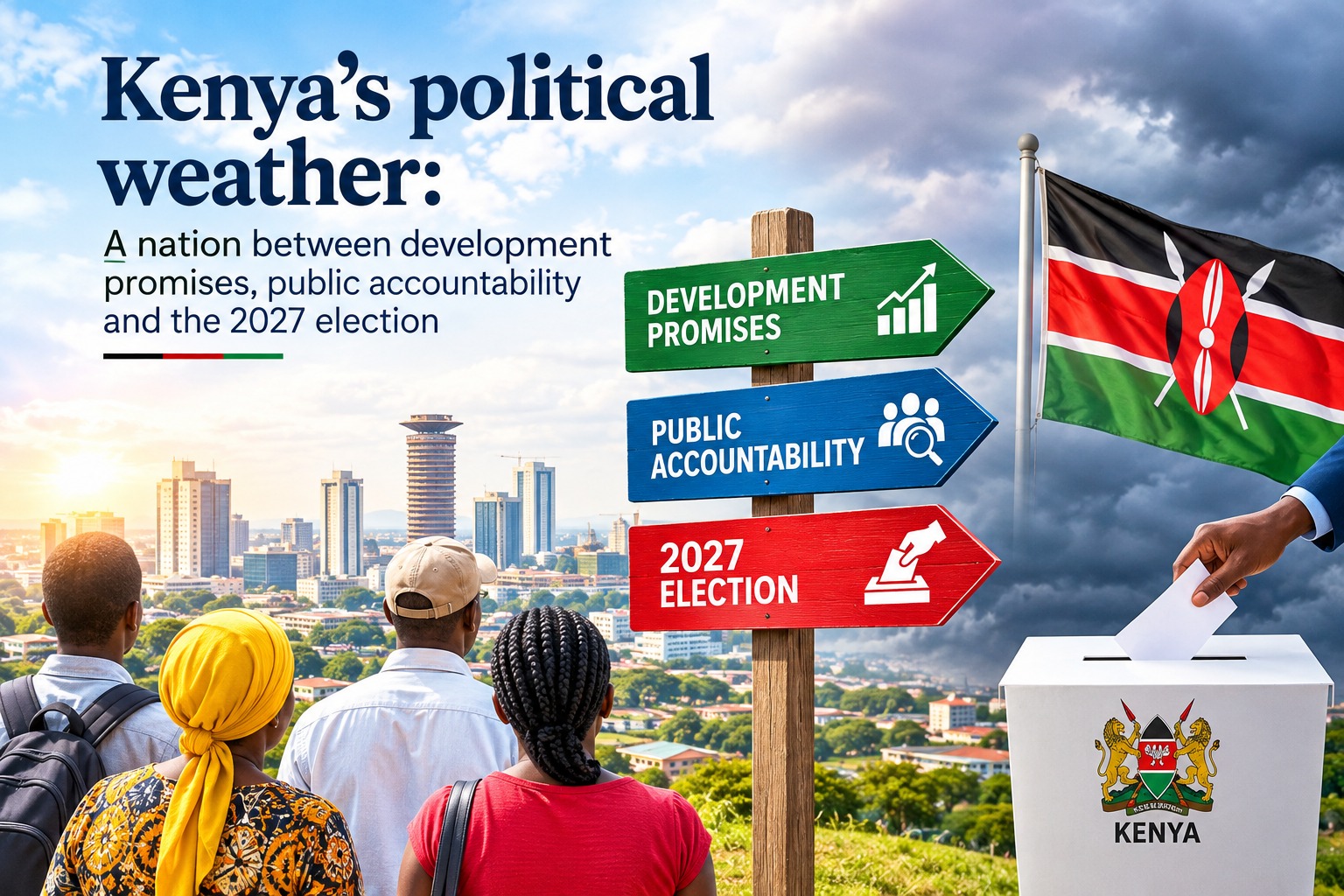
By Mr. Fredrick Kipchumba Chelimo – PWD
Email; fkipchelimo@yahoo.com
“The test of leadership is not the promises made before the public, but the difference those promises make in the lives of ordinary citizens.”
Kenya enters the coming week carrying the familiar weight of political expectation, economic anxiety and the persistent search for accountable leadership. Across the North Rift, President William Ruto’s development tour is building towards the Mashujaa Day celebrations in Eldoret on 20 October. Beyond the ceremonies, however, a more consequential national conversation is taking shape around the cost of living, public expenditure, healthcare preparedness, large-scale investment and the increasingly visible manoeuvres of political actors positioning themselves ahead of the 2027 General Election.
What makes this moment significant is not any single event, but the convergence of several questions that speak directly to the relationship between the Kenyan state and its citizens. Can the government demonstrate that its development promises are changing lives? Can public institutions account convincingly for the money entrusted to them? Can emerging investment opportunities generate broad-based prosperity rather than simply impressive headlines? And can the political class offer a credible vision of the country beyond the immediate calculations of electoral survival?
These questions will shape the political atmosphere over the next seven days, making this a week in which the difference between political presentation and substantive performance deserves particular scrutiny. The lingering Dangote question on investment, sovereignty and the right to know will still feature Few issues illustrate the tension between economic ambition and public accountability more clearly than the proposed Dangote East Africa refinery in Lamu. The project promises to transform the region’s industrial landscape, attract investment, create employment and potentially strengthen East Africa’s energy infrastructure. Its scale, however, makes transparency indispensable.
The government has defended the investment and urged critics to use parliamentary channels to obtain information. Opposition figures, including Senator Edwin Sifuna, have pressed for greater disclosure of the agreement and the commitments made by the state.
Both the economic opportunity and the accountability question deserve serious treatment. Kenya needs investment, but investors and governments must recognise that projects with substantial public implications invite legitimate scrutiny. The terms of financing, environmental safeguards, land arrangements, local employment commitments including persons with disabilities and the allocation of commercial risks should be matters of public interest.
This week, the important question is not whether Kenya should welcome investment or reject it. It is whether the country can negotiate ambitious projects while protecting its citizens’ interests and preserving public confidence. Transparency is not an obstacle to investment; it is part of the foundation on which durable investment rests.
Other critical issues that will remain in focus, especially from majority of citizens is the question of cost of living and credibility of economic policy. Beneath the grand infrastructure announcements lies a more intimate political reality: the daily struggle of households to balance income against rising expenses. Fuel, food, transport, school costs and healthcare continue to determine how citizens experience the economy.
The government’s broader infrastructure financing strategy offers a potential route towards expanding economic activity without placing excessive pressure on public borrowing. Reuters reported that the National Infrastructure Fund had begun deploying its KSh340 billion seed capital through domestic government bonds, with an ambition to support commercially viable infrastructure projects. Yet the credibility of this strategy will depend on governance, the quality of investments and the returns they generate. Citizens will reasonably ask whether these investments create jobs, improve transport, expand electricity access and reduce the cost of doing business.
Economic policy ultimately acquires political meaning at household level. A trader wants affordable premises and predictable expenses. A young graduate wants meaningful employment rather than repeated promises of opportunity. A farmer wants accessible markets and a fair return for produce. These are not abstract economic indicators; they are the everyday experiences through which citizens judge leadership.
As Eldoret prepares for the national celebrations, the symbolism of Mashujaa Day deserves to extend beyond the official programme. The occasion recognises the courage and sacrifice of those who contributed to Kenya’s freedom and development. It should also invite reflection on the responsibilities that accompany public office.
The North Rift tour provides an opportunity to examine whether infrastructure projects respond to long-standing community needs, whether public procurement creates fair opportunities and whether development reaches people who are often overlooked. Are water from the dam reaching the farm or just a pipe of water for four individuals to use for domestic purposes. Persons with disabilities, women, young people, small-scale traders and residents of remote areas should be considered in planning and implementation, rather than added as an afterthought.
There is also a security dimension. In communities affected by insecurity, development cannot be measured only by roads, markets or buildings. It must include personal safety, access to schools, protection of livelihoods and confidence that public institutions can maintain lasting peace. The most meaningful legacy of the celebrations would be a credible account of what has been achieved, what remains unfinished and how outstanding commitments will be delivered.
The coming week will offer the government an opportunity to demonstrate the substance behind its development narrative. Civil society, professional bodies, journalists and citizens have an equally important role in asking informed questions and distinguishing verified facts from political speculation.
The Ebola response will test public-health preparedness and financial accountability. The Dangote refinery will test the balance between investment promotion and transparency. The North Rift tour will test the credibility of development commitments. Economic pressures will continue to test whether national policies are improving ordinary lives, while emerging political alliances will reveal how seriously leaders are preparing for the 2027 election.
These developments should not be treated as isolated stories. Together, they illuminate the broader question confronting Kenya: what kind of political settlement can sustain economic opportunity, public trust and democratic accountability?
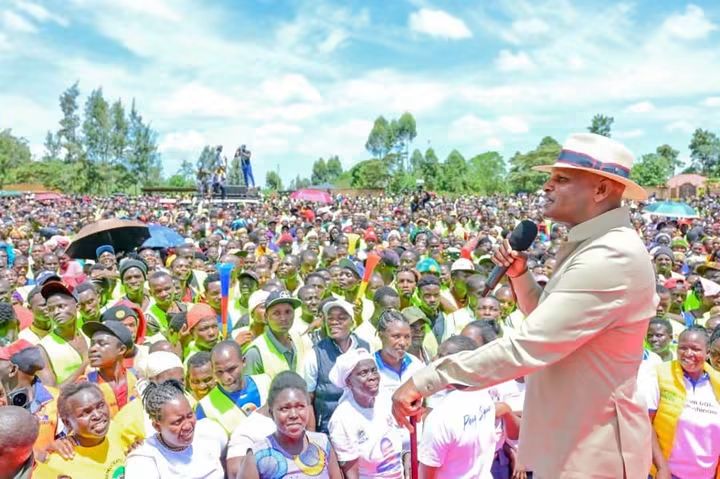
As the week unfolds, the country should look beyond the volume of speeches, the size of crowds , the harsh words hurled against political opponents and the prominence of visiting dignitaries. The more important measures are whether public money can be accounted for, whether projects deliver the promised benefits, whether citizens can obtain information about decisions made in their name and whether leaders respond constructively to criticism.
Kenya does not lack ambition. It has an energetic population, substantial entrepreneurial capacity and considerable opportunities for investment and regional leadership. The challenge is to ensure that these strengths translate into broadly shared prosperity. “The true measure of a nation’s progress is not how loudly it celebrates its achievements, but how faithfully it honours its promises to the people.”
The political weather of second week of October will ultimately be determined by the distance between what leaders promise and what citizens experience. If the week produces verifiable progress, transparent decisions and meaningful engagement with public concerns, it could strengthen confidence in the country’s institutions. If it produces only ceremony, confrontation and unanswered questions, the political consequences may linger well beyond Mashujaa Day.
Similar Posts by The Mt Kenya Times:
- Mt Kenya Times ePAPER October 12, 2026
- Gachagua’s party storms Kikuyu from afar as 2027 countdown begins
- Counties caught: The KSh100B payroll scandal Kenya can no longer hide
- CS Ogamba: tree planting could generate carbon credit millions to fund education
- Farouk Kibet calls for unity and development as leaders rally behind Ruto’s 2027 re-election bid
About the Author