Farouk Kibet calls for unity and development as leaders rally behind Ruto’s 2027 re-election bid
 The Mt Kenya Times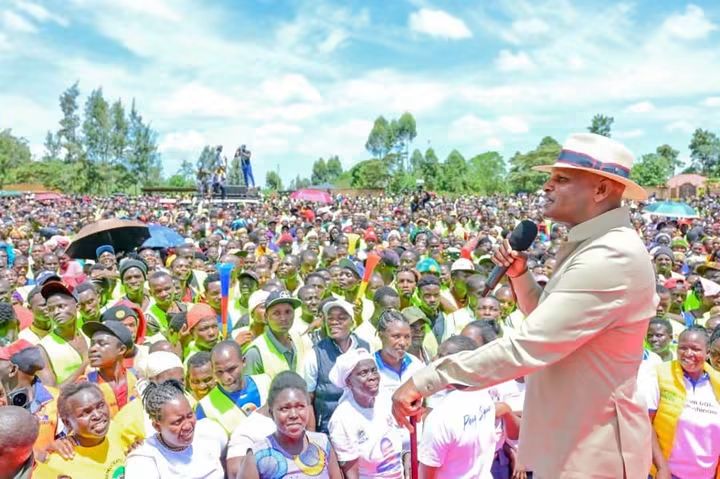
Farouk Kibet
Presidential aide tells Kisii gathering that voters should judge leaders by development delivered, not ethnic loyalty
By Elizabeth Angira
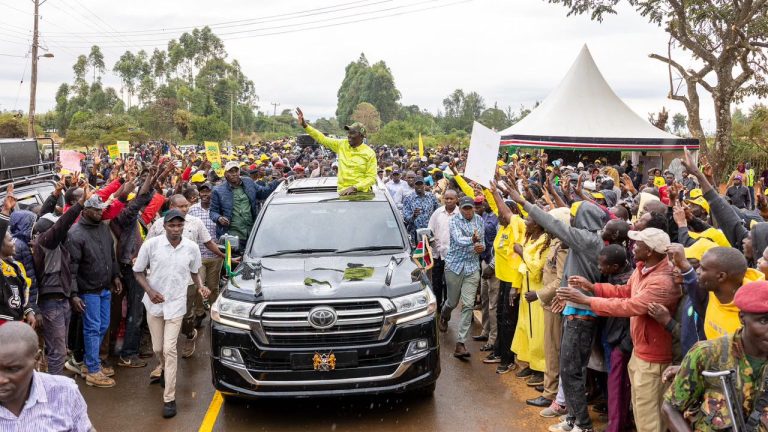
Farouk Kibet, aide to President William Ruto, has called on Kenyans to prioritise development and national unity over ethnic politics, telling a gathering in Kisii County that the country needs leaders who improve lives rather than divide communities along tribal lines.
Kibet made the remarks at Igonga grounds in Bonchari Constituency during a boda boda empowerment event hosted by Kisii Woman Representative Dorice Donya Toto, who is seeking to become the area’s Member of Parliament in the 2027 General Election. The event drew several senior political figures, among them National Assembly Minority Whip Junet Mohamed, John Bwire, Mwengi Mutuse, Innocent Mugabe, Nyamira Woman Representative Jerusha Momanyi, Nominated Senator Essy Okenyuri and Kitutu Chache North MP Japhet Nyakundi.
“We want leaders who bring development to the people, not those who are full of ethnicity,” Kibet told the gathering. He argued that political leadership should unite Kenyans regardless of their backgrounds, with a focus on the practical issues that shape ordinary lives — access to economic opportunity, affordable livelihoods and tangible progress in communities.
The event served a dual purpose. At the grassroots level, it brought together boda boda operators from across the constituency in an economic empowerment exercise — a nod to a sector that has become a primary source of income for thousands of young Kenyans, particularly those locked out of formal employment. Motorcycle transport is not without its pressures: operators routinely contend with high fuel and maintenance costs, limited access to affordable credit and persistent road safety concerns. For many, the question after every such gathering is whether the goodwill translates into lasting improvements — access to financing, business training, safety education and social protection — or whether it remains a one-off event with little follow-through.
The political dimension of the afternoon was equally prominent. Leaders used the platform to rally support for President Ruto’s bid for a second term in the 2027 General Election, with Junet Mohamed, Momanyi, Okenyuri and Nyakundi among those signalling their backing. Their presence reflected concerted efforts to build cross-regional and cross-constituency political alliances ahead of what is expected to be a fiercely contested election cycle.
For Donya Toto, the event carried additional significance. Currently serving as Kisii Woman Representative, she is using engagements like this one to build name recognition and demonstrate grassroots connection as she makes her bid for the Bonchari parliamentary seat. Hosting a forum that combines economic empowerment with political heavyweights is a calculated move — one that allows her to present herself as both a mobiliser and a serious legislative contender.
Kibet’s broader message, however, pointed beyond any single constituency or campaign. His call to judge leaders by their impact rather than their ethnic affiliations speaks to a debate that has defined Kenyan politics for generations — and one that voters in Kisii County will weigh carefully as 2027 draws closer. The county, like much of the country, is watching to see whether the promises made at public gatherings become roads, hospitals, school facilities and employment opportunities, or whether they evaporate once the rally crowds disperse.
For boda boda operators, that distinction is not abstract. They operate in an environment where policy decisions about fuel levies, road infrastructure and lending regulations have immediate consequences for their income. Empowerment events matter to them not as political theatre but as potential access points to resources and recognition. Whether this particular gathering moves the needle will depend on what follows it.
As political mobilisation gathers pace across Kisii County and the wider country, the competition for voter confidence is intensifying. Development has emerged as the defining campaign currency — not because it is a new idea in Kenyan politics, but because voters have grown more discerning about the difference between its promise and its delivery. Leaders who can point to tangible change in their constituencies will carry a significant advantage. Those who cannot will find that rallying cries for unity, however sincere, carry limited weight at the ballot box.
Kibet’s message at Igonga grounds was, at its core, a challenge to every leader in attendance: earn the trust of the people through what you build, not through where you come from. Whether those words are matched by action — in Bonchari, in Kisii County and across Kenya — is the test that 2027 will ultimately deliver.
Similar Posts by The Mt Kenya Times:
- Mt Kenya Times ePAPER October 13, 2026
- Ruto commissions Uasin Gishu dam to boost year-round farming
- Ruto calls Kenyatta a conman as Kenya’s 2027 battle begins in earnest
- Electricity access must lead to local opportunity
- God had to break your marriage to save your mother’s house
About the Author