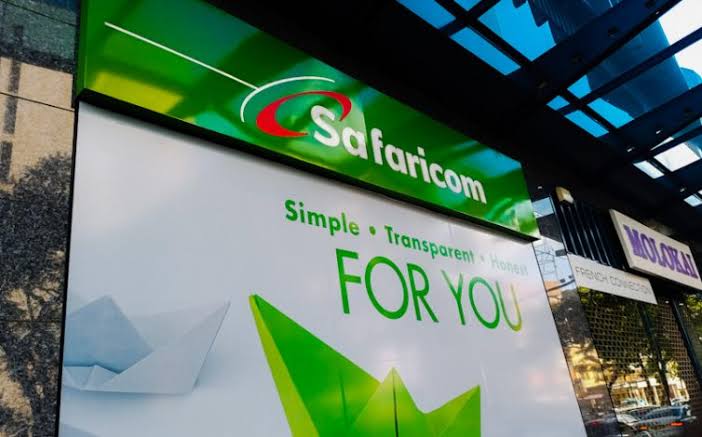
Appellate judges decline to suspend the High Court decision nullifying the government’s stake sale, leaving a constitutional crisis over transparency and public participation unresolved
By Anita Njeri
The Court of Appeal yesterday refused to suspend a High Court ruling that nullified the KSh204.3B sale of the government’s 15 per cent stake in Safaricom to Vodacom, dealing a significant blow to the government’s efforts to protect a transaction it had already completed and banked.
Appellate judges Luka Kiprotich Kimaru, Johnson Okello and Kathurima M’Inoti rejected the government’s application for a stay of the September 15 judgment, ruling that it had failed to meet the legal threshold required for the orders sought. The decision means the High Court ruling — which declared the partial divestiture unconstitutional, null and void — remains in full legal force while the government pursues its appeal.
The original judgment, delivered by High Court judges Francis Gikonyo, Roseline Aburili and Tabitha Wanyama, found that the sale of the government’s Safaricom stake was a public policy matter requiring meaningful public participation before it could lawfully proceed. The court held that neither the Cabinet nor the National Assembly had subjected the proposed transaction to adequate consultation, and further faulted the government for withholding critical information — including the identity of the intended buyer — from the public. On those grounds, the court quashed all agreements, approvals and arrangements relating to the sale and ordered the 15 per cent stake restored to the Government of Kenya, to be held on behalf of the people.
The government’s response was swift. Attorney General Dorcas Oduor and National Treasury Cabinet Secretary John Mbadi moved to the Court of Appeal within days, filing affidavits on September 17 arguing that the KSh204.3B proceeds from the transaction were non-refundable and that the shares had already been transferred to Vodafone Kenya Limited. They warned that an additional KSh40.2B paid in lieu of future dividends compounded the exposure, and that restoring the six million ordinary shares without a corresponding refund order would inflict serious financial prejudice on the state.
The government’s case for a stay rested on the argument that implementing the High Court orders could prove impossible to reverse, and that the dispute raised issues of genuine public interest involving fiscal planning, capital market stability, investor confidence and Kenya’s external financial position. Without a suspension, it argued, any successful appeal would be rendered meaningless.
The appellate bench was unconvinced. By declining the stay, the court has left the government in an acutely uncomfortable position: holding a completed financial transaction that a court has declared unconstitutional, with no suspension of that declaration in place and an appeal yet to be heard.
The ruling cuts to the heart of a constitutional requirement that Kenya’s governments have repeatedly tested — the obligation to involve citizens meaningfully in decisions of significant public consequence. A transaction worth KSh204.3B, involving a national asset of the scale and strategic importance of Safaricom, conducted without adequate public participation or transparent disclosure of the buyer’s identity, was always vulnerable to precisely this kind of legal challenge.
The appeal will now proceed, but the government faces it without the protective cover of a stay. For investors and markets watching the case, the uncertainty is real and unresolved.
Similar Posts by The Mt Kenya Times:
- Mt Kenya Times ePAPER October 14, 2026
- Kalonzo takes Kenya’s economic case to London
- Kenya’s budget watchdog flags record KSh209B in unplanned government spending
- Opposition cracks widen as Nyoro and Methu trade Ruto bribery claims
- Why helicopters crash more often than aeroplanes
About the Author



 Dan
Dan