

By: David Nyaga
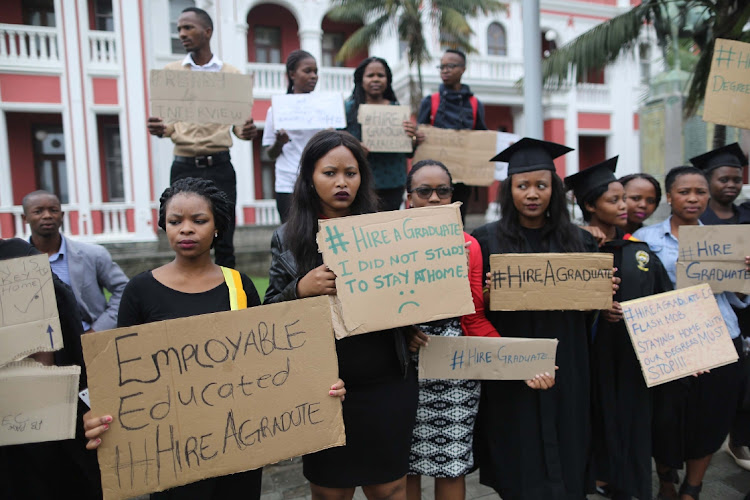
They graduate with hope in their eyes, degrees clutched tightly, parents watching proudly, dreams freshly born. But what follows for many of Kenya’s Gen Z is not the life they envisioned. Beneath the academic gowns lies a quiet storm, unemployment, mental distress, and growing substance abuse.
An investigative look into the lives of recent graduates reveals a troubling pattern. Months, even years after leaving campus, thousands remain jobless. Some have resorted to casual labor, others are simply idle, living under the weight of unmet expectations.
X, a 25-year-old communication graduate, describes life post-graduation as “a slow collapse.” After applying to over 100 jobs without a single callback, X spends most days indoors, drained and anxious. “Sometimes, I stay in bed until midday. I have no reason to get up,” X says.
In more alarming cases, joblessness is driving some into drugs. Y, who studied business management, turned to marijuana and prescription pills to “numb the silence.” It began as weekend use, now, it’s daily. “It makes me forget I’m wasting away,” Y confesses.
Mental health professionals confirm a rise in depression among young adults. The pressure to succeed, paired with limited opportunities, is pushing many over the edge. Social expectations, employment, independence and marriage, now feel out of reach for a generation raised to believe in upward mobility.
Even relationships are affected. “How do I marry or start a family when I can’t afford to support myself?” X asks, reflecting a common fear among peers. The traditional timeline of adulthood has shattered.
What emerges is a grim picture: a well-educated generation, brimming with potential, slowly sinking under economic strain and psychological distress.
Unless deliberate interventions are made, from employment reforms to youth mental health support, this generation risks becoming the most educated, yet most broken in the nation’s history.
 Jerameel Kevins Owuor Odhiambo
  Mt Kenya Times