By Alex Nyongesa, Laikipia University
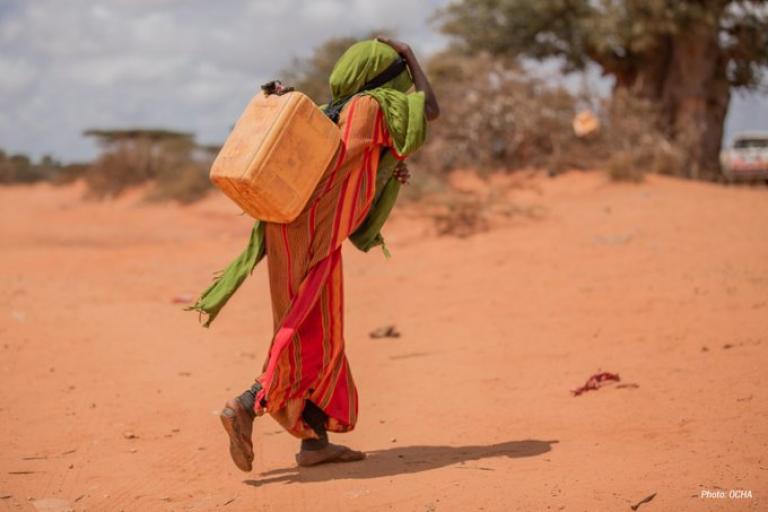
The parched landscapes of northern Kenya tell a story of despair that statistics alone cannot capture. In Mandera, Turkana, Garissa, Wajir, and Marsabit, families are watching their livelihoods evaporate under the relentless sun. Millions in the Arid and Semi-Arid Lands are already facing food insecurity, and the numbers are expected to rise as rains continue to falter.
Food shortages have become the most visible symptom of this crisis. Maize flour, once a staple within reach of ordinary households, now costs between Sh70 and Sh100 per kilogram. For families living on the margins, this price surge is not merely inconvenient—it is catastrophic. Hunger gnaws at communities, forcing parents to make impossible choices about who eats and who goes without.
Water scarcity compounds the tragedy. With rivers drying and boreholes failing, families are turning to unsafe sources. The result is a spike in waterborne diseases such as cholera and typhoid, threatening to overwhelm already fragile health systems. Meanwhile, pastoralists—long the backbone of northern Kenya’s economy—are watching their herds waste away. Livestock body conditions have deteriorated, undermining both nutrition and income.
The government has allocated billions to mitigate these effects, channeling resources into food assistance, cash transfers, and livestock support. Yet the scale of the crisis demands more than emergency measures. It calls for long-term investment in climate resilience, water infrastructure, and sustainable agriculture.
Kenya’s drought is not just a seasonal misfortune; it is a national emergency that underscores the urgency of rethinking how we safeguard vulnerable communities against the climate shocks of tomorrow.
Similar Posts by The Mt Kenya Times:
- Diaspora Times Global Oct 24 – Oct 30, 2026
- America’s baby bust: U.S. birth rate hits record low as women choose later motherhood
- Literary Outreach Incubation Program Instills The Culture From Book Adaption To Spoken Words
- Why starting school too early is failing our children
- Who defines Africa’s destiny? The western lens, African compliance and the struggle for intellectual sovereignty
About the Author