A Paradigm Shift in Malaria Treatment: Targeting Mosquitoes to Halt Disease Transmission
 The Mt Kenya Times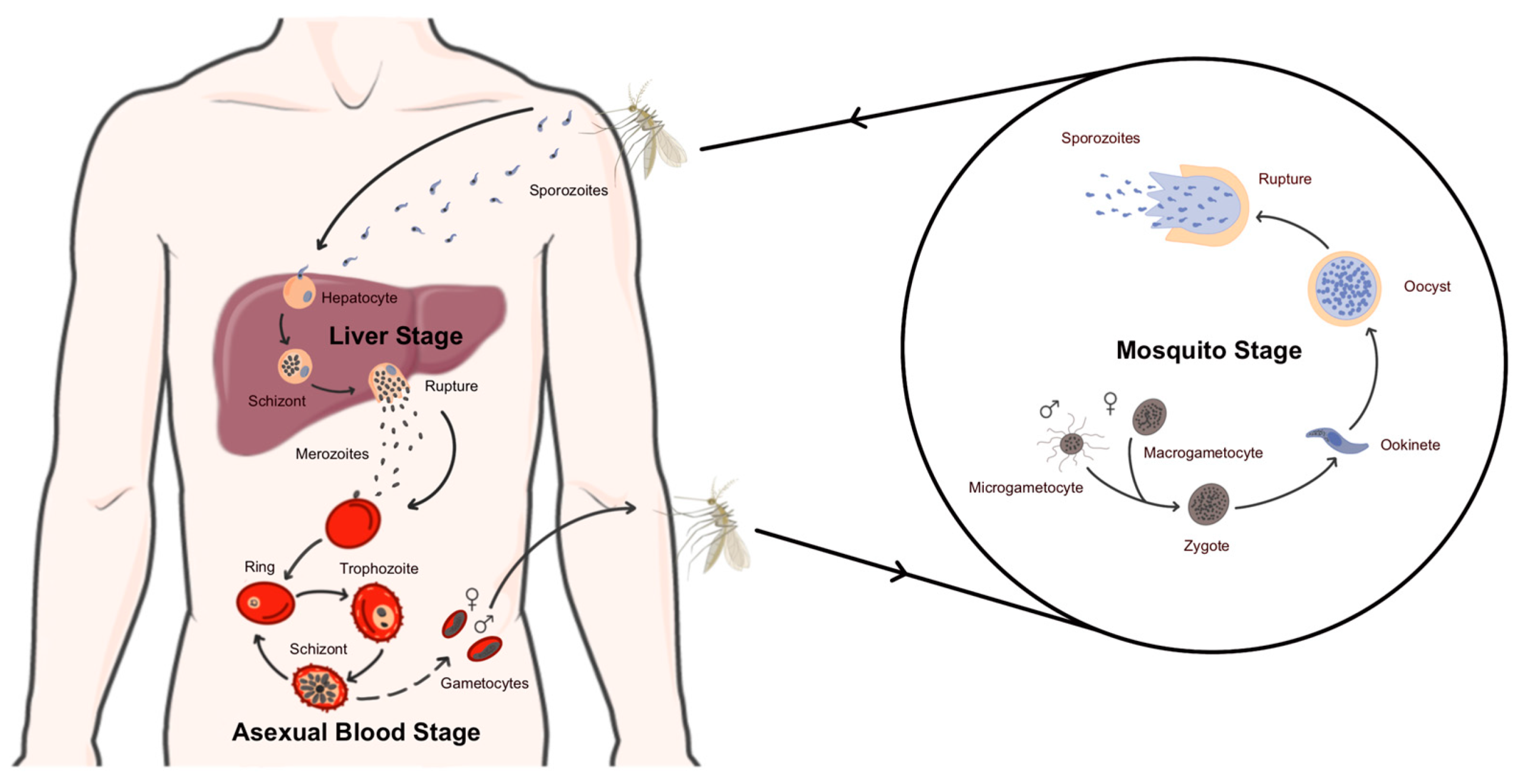
By: Silas Mwaudasheni Nande
Introduction
Malaria remains one of the deadliest infectious diseases globally, claiming over 600,000 lives annually, with the majority of victims being children in sub-Saharan Africa. Traditional malaria control strategies have focused on killing mosquitoes using insecticides or treating infected individuals with antimalarial drugs. However, a groundbreaking approach proposed by researchers at Harvard University suggests treating mosquitoes themselves for malaria, effectively eliminating the parasite before it can be transmitted to humans. This article explores the scientific basis, potential impact, and challenges of this novel strategy.
The Current State of Malaria Control
Malaria is caused by Plasmodium parasites, which are transmitted to humans through the bites of infected female Anopheles mosquitoes. Efforts to control malaria have historically relied on:
- Insecticide-treated bed nets (ITNs) – Providing a physical barrier and killing mosquitoes on contact.
- Indoor residual spraying (IRS) – Applying insecticides to walls and surfaces where mosquitoes rest.
- Antimalarial drugs – Treating infected individuals to reduce transmission.
- Vaccination efforts – Recent advancements in malaria vaccines, such as RTS,S and R21, aim to provide immunity.
Despite these measures, malaria remains a persistent global health challenge due to insecticide resistance, limited vaccine efficacy, and logistical barriers in drug distribution.
The Novel Approach: Treating Mosquitoes for Malaria
Instead of killing mosquitoes outright, researchers propose curing them of malaria using antimalarial drugs absorbed through their legs when they land on treated surfaces, such as bed nets. This method targets the parasite directly, preventing transmission without relying on insecticides.
Scientific Basis of the Approach
Researchers analyzed malaria’s genetic material to identify vulnerabilities in the parasite while it infects mosquitoes. They screened a library of potential drugs and identified two highly effective compounds that eliminate Plasmodium parasites within mosquitoes. These drugs, known as endochin-like quinolones (ELQs), disrupt the parasite’s mitochondrial function, effectively killing it without harming the mosquito.
How It Works
- Drug-treated bed nets – Mosquitoes landing on these nets absorb the antimalarial compounds through their legs.
- Parasite elimination – The drugs kill the malaria parasites within the mosquito, preventing transmission.
- Long-lasting effect – The treatment remains effective for up to a year, offering a sustainable alternative to insecticides.
Case Study: Field Trials in Ethiopia
Laboratory studies have demonstrated the efficacy of this approach, and researchers are now preparing field trials in Ethiopia to assess its real-world impact. If successful, this strategy could complement existing malaria control measures and provide a dual-protection system—combining insecticides with antimalarial drugs.
Potential Benefits of the Approach
- Circumventing insecticide resistance – Since the method does not rely on killing mosquitoes, it avoids the issue of resistance.
- Sustainable and cost-effective – The drugs remain active for extended periods, reducing the need for frequent reapplications.
- Targeting the parasite directly – By eliminating Plasmodium within mosquitoes, the approach disrupts transmission at its source.
Challenges and Considerations
While promising, this strategy faces several challenges:
- Regulatory approval – Extensive testing is required before widespread implementation.
- Environmental impact – The long-term effects of drug-treated nets on ecosystems must be studied.
- Public acceptance – Communities must be educated on the benefits of this approach to ensure adoption.
Conclusion: A Potential Breakthrough in Malaria Control
The concept of treating mosquitoes for malaria represents a fundamental shift in the way vector-borne diseases are controlled, challenging conventional approaches that primarily focus on killing mosquitoes or treating infected individuals. By directly targeting the Plasmodium parasite within its mosquito host, this strategy presents a novel method that could disrupt transmission at its source, preventing malaria from ever reaching human populations. If proven effective through rigorous laboratory and field studies, this approach has the potential to redefine public health strategies, complementing existing interventions such as insecticide-treated bed nets, antimalarial drugs, and vaccines. Moreover, it could offer a sustainable alternative to insecticides, which face increasing resistance among mosquito populations. A successful implementation of this technique would not only significantly reduce malaria transmission worldwide but also pave the way for similar approaches to other vector-borne diseases, such as dengue and Zika virus. However, achieving this vision requires continued investment in scientific research, extensive field trials to assess ecological and epidemiological impacts, and strong policy support from governments and international health organizations. Regulatory frameworks must be established to ensure the safety, efficacy, and ethical considerations of the intervention, and public awareness campaigns must be launched to secure community acceptance. If these elements align, this innovative strategy could represent one of the most transformative breakthroughs in global disease control, offering hope for the eradication of malaria and improving public health outcomes for millions across endemic regions.
Similar Posts by The Mt Kenya Times:
- Police reforms stall as Kenya’s uneasy march to August 2027 begins
- 2027: Could Kenya face another nullified election?
- The running mate race has begun: Why Ruto’s 2027 ticket is already dividing Mt Kenya
- Mt Kenya Times ePAPER September 1, 2026
- Gakoromone traders set to move within a week as KSh1.2B market project nears start
About the Author