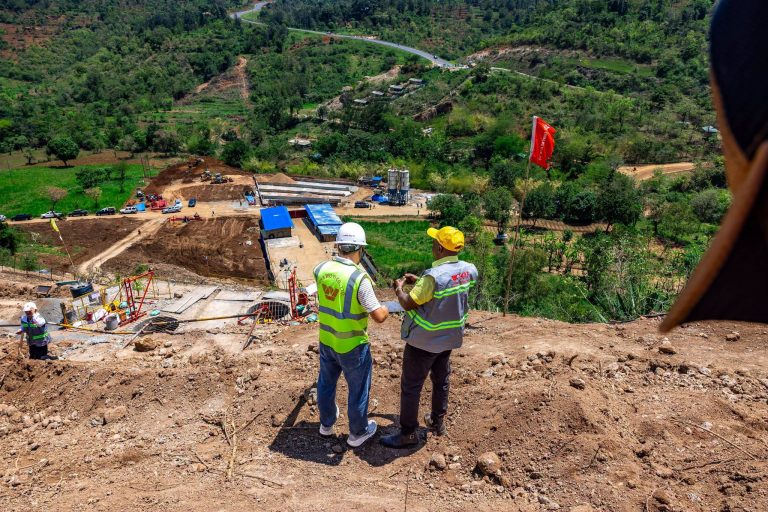
AGRICULTURE IN BOTSWANA, A HOPEFUL FARMER AWAITING RAIN SOMEWHERE

Picture of Paula.O.M.Otukile-Gwape lands via Mahalapye, Botswana 🇧🇼

By: Paula.O.M.Otukile
Worth Noting:
- When a nymph or a young maiden got married cows were used as a thank you gesture called bride price, paid to the families of the bride by the groom.This practice became diluted as now sone families uses money instead of cows but cows still hold much significance in the role of Setswana culture.
- When one ploughed and cows get into a field, payment could be a cow after a serious discussion of how to compensate the owner of the field.
- One remarkable disease called foot and mouth, has numerous times hit some Batswana farmers, in the past rendering most families poor, but the change was not due to these two factors, diseases and u reliable rainfall.
A citizen of Botswana is called a Motswana.

Citizens are called Batswana which is plural form of two or more of Botswana citizens.
The language is called Setswana however English is highly spoken.The literacy level in Botswana is approximately 85% and this is due to the diamonds, flora and fauna revenue of Botswana, the wealth is in the government accounts, and citizens benefit on free health care, free education from primary to tertiary if the high school goer attain average pass in school.There are brigades or vocational schools to cater for the less academic gifted who do not fulfill the normal cut off point system of tertiary education admissions into Universities or colleges.
Botswana has approximately 2.5million people after the 2022 population census a decline from the consistent 2.7 million people that was recorded since 2006!
The main rains are expected from September to December for ploughing season. Reality is Botswana has unreliable rainfall, with seasons changing and global warming the farmer is no longer exact on rubbing off soil from his tools in Botswana.
Agriculture is the most important part of a Motswana.Most Batswana had three set up in the earlier days until early millennium.
They had a home for dwelling; second lands which translates to a farm for ploughing Beans, Maize, Mealie, sorghum, sweet reeds, and water melons, going north sone could add peanuts and sun flowers. Familes stayed there only during ploughing season and old women would stay or mothers and aunts, until harvest whereas most child knew holidays meant going to help at the lands. After harvest families left to home in the village and few days later fathers left for cattlepost where cows were reared.
Most families initially had land for pastures called “Moraka!” Which was used after harvest mainly by the boys and the father and uncles, cattle were reared and goats with few families having sheep breed. Some families combined lands with cattlepost meaning a kraal was made aside the house made for sleeping at the lands.
Cattle still symbolize wealth traditionally, as it is slaughtered during Weddings and funerals.
Before coffins made of wood and other materials surfaced, a cow skin was used to bury males and a blanket wrapped a female deceased, but “Mogoga!” Beef rushed or cut into chunks and eaten without salt to signify mourning was served in funerals.
When a nymph or a young maiden got married cows were used as a thank you gesture called bride price, paid to the families of the bride by the groom.This practice became diluted as now sone families uses money instead of cows but cows still hold much significance in the role of Setswana culture.
When one ploughed and cows get into a field, payment could be a cow after a serious discussion of how to compensate the owner of the field.
One remarkable disease called foot and mouth, has numerous times hit some Batswana farmers, in the past rendering most families poor, but the change was not due to these two factors, diseases and u reliable rainfall.
Some missionaries brought in Education, and few graduates began dwelling in the cities, soon from Lobatse to Gaborone, population increased, and it proved that education yielded better results in terms of employment and economic growth, parents began to invest more in sending their children to school, than Moraka or cattlepost or Masimo the ploughing fields or lands.
Veterinarians, agricultural officers and teachers as well as nurses flooded the modern day Botswana, and only the old remain at the lands, of cattlepost.Now the young farmers hire help and workers.Agriculture is more improved and supervised as each district has council and each village has got numerous agricultural officers. Batswana farmers are still privileged to get free seeds before ploughing season and more advanced help to get better harvest.
Reality is the land is no longer there for allocation like in the past, hence few young people buy plots those who got resources.
Another amazing fact is cows are approximately 1 596 605 in Botswana. One BBC report in 2014 stated that cattle outnumbered humans by one million in Botswana which was not a proven fact.
Another much populated animal is an elephant in Botswana but found in the far north and a have area of Maun, kasane, Chobe.Elephants are said to be approximately 130 000 in the land, but poaching still stand as a threat.
This brings to mind where does one walk in a population of so much animals in the country, if it is so infested with animals?
Animals especially wild life are highly protected in game reserves and national parks and cattle and domestic animals are in lands or cattlepost and few in the homes, likes of dog, cats, chickens etc.
Botswana has a vast land, 71% for tribal, 25% state land , 5% freehold or private owned.
N:b to be continued
#glimpseIntoMyBotswana
https://land-links.org/country-profile/botswana/
https://m.polity.org.za/article/do-cattle-outnumber-people-in-botswana-2016-01-04.
Picture of Paula.O.M.Otukile-Gwape lands via Mahalapye, Botswana 🇧🇼
Similar Posts by The Mt Kenya Times:
- Mt Kenya Times ePAPER October 23, 2026
- Ruto’s parting COMESA call: Remove the barriers, honour the commitments
- Direct hospital access to KEMSA cuts drug delays, says PS
- Africa can’t wait: Continent seeks $1 trillion for climate adaptation
- Ruto passes the baton as Africa’s trade bloc faces a fragmenting world
About the Author