Cabinet clears path for pending bills payout in relief for Kenya’s struggling suppliers
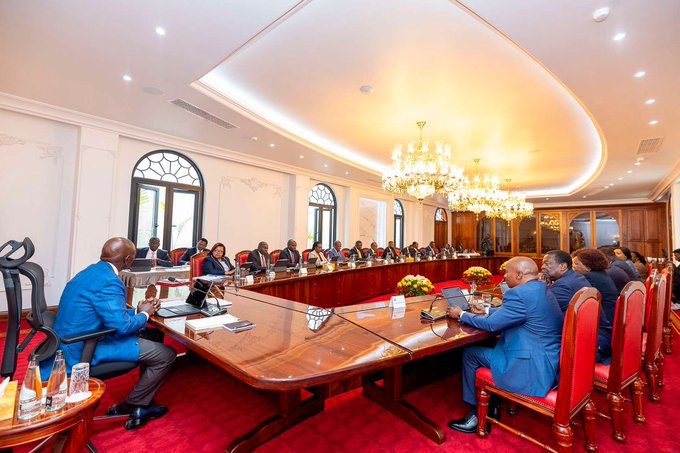
Cabinet in session
The approval ends years of financial limbo for thousands of businesses owed billions by government — but the real test is whether the money actually moves
By David Kimani
Cabinet yesterday approved a framework to settle Kenya’s long-standing pending bills, offering long-awaited relief to thousands of suppliers, contractors and service providers who have waited years to be paid for goods and services delivered to government.
The decision addresses one of the most damaging and persistent failures in Kenya’s public financial management. Pending bills — money owed by national and county governments to private suppliers — have accumulated over successive administrations into a figure that independent analysts and the Controller of Budget have repeatedly flagged as a threat to both business survival and broader economic stability. For many small and medium enterprises, the unpaid invoices represent not deferred profit but existential debt: loans taken out to finance government contracts that were never honoured on time, staff wages delayed, and in the worst cases, businesses forced to close.
The scale of the problem is significant. Treasury data has placed the national government’s pending bills at hundreds of billions of shillings, with county governments adding further layers of obligation. Suppliers in the construction, healthcare, education and information technology sectors have been among the hardest hit, with some waiting upwards of three years for payment on completed and verified contracts.
Yesterday’s Cabinet approval signals a formal political commitment to resolve the backlog, though the mechanism and timeline for actual disbursement will determine whether the announcement translates into tangible relief or joins a long list of pledges that stalled at implementation. The government has previously acknowledged the pending bills crisis and made partial payments, but a comprehensive settlement framework of this nature represents a more structured attempt to draw a line under the liability.
For the private sector, the implications extend beyond immediate cash flow. Confidence in the government as a reliable commercial partner has eroded sharply over years of payment delays, and that erosion carries a cost. Businesses that have been burned by late payments price risk into their government bids, submit inflated quotes to cushion potential delays, or withdraw from public procurement altogether. The cumulative effect is higher costs for taxpayers and a narrower pool of suppliers willing to engage with the state.
The broader economic context matters here. Kenya is navigating a period of constrained fiscal space, with debt servicing consuming a substantial share of revenue and the International Monetary Fund maintaining close oversight of public finances. Any pending bills settlement will need to be sequenced carefully to avoid compounding liquidity pressures — a technical challenge that Treasury must manage with precision if the Cabinet’s approval is to mean anything in practice.
For the suppliers who have spent years chasing payments through government corridors, yesterday’s announcement is welcome news. But Kenya’s history with pending bills is long enough to counsel caution. Approval is a beginning, not a settlement.
The money must now actually move.
Similar Posts by The Mt Kenya Times:
- Mt Kenya Times ePAPER October 10-11, 2026
- Karanja quits UDA and targets Nakuru governorship on Gachagua’s DCP ticket
- Gachagua’s team plants DCP flag in Kiambu as 2027 battle lines harden
- A moment of recognition for service in energy
- Njogu takes water pipes, seeds and jobs agenda to Buuri residents
About the Author