
Causes, Symptoms, And Prevention Of Arterial Hypertension In Therapeutic And Pediatric Practice
By: Asqarova Sarvinoz
Abstract: This article discusses arterial hypertension (AH), one of the most common diseases today, and its occurrence in pediatric practice. It also highlights the causes of the disease and ways to prevent it.
Keywords: Vascular wall tone, pressor system, hypertensive disease, idiopathic, essential hypertension, metabolic disease, compensation, conflict.
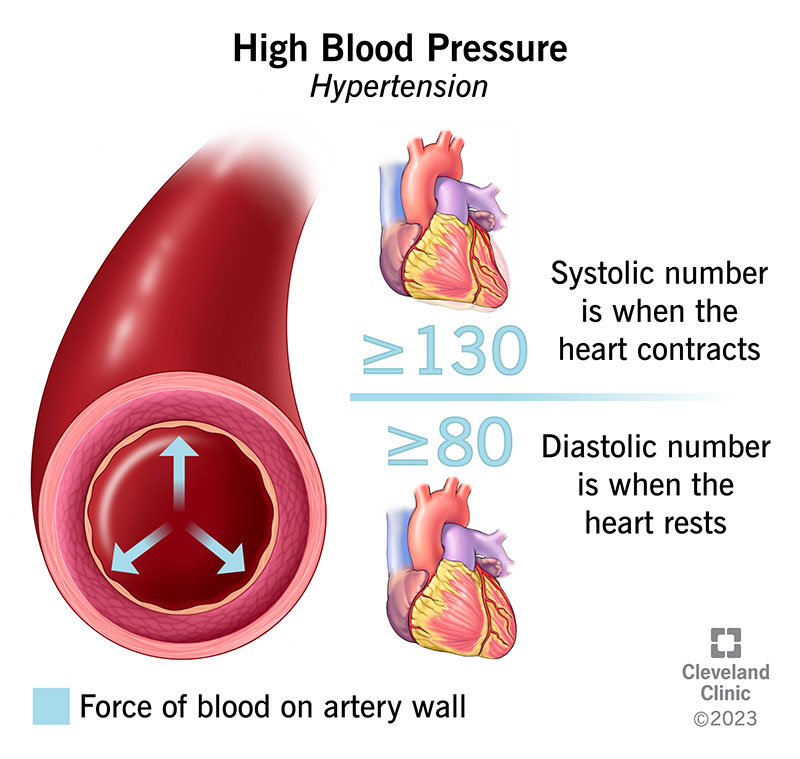
About 80% of the human body consists of water, and a major part of this fluid is blood. Blood accounts for approximately 7% of body mass. The movement of blood through the vessels is maintained by the heart. One of the most frequently encountered cardiovascular diseases is arterial hypertension. It occurs due to changes in vascular wall tone and an increase in cardiac output. The vascular tone is regulated by the central nervous system, endocrine glands (hypothalamus, pituitary, thyroid, parathyroid, thymus, etc.), and kidneys. Overactivity of the body’s pressor systems (sympathoadrenal, renin-angiotensin, angiotensin-vasopressin, glucocorticoids) can lead to AH.
Causes of AH include:
Kidney diseases
Adrenal gland tumors
Aortic coarctation (as a symptom)
In 14% of patients with AH, the condition results from kidney diseases. Additionally, psycho-emotional stress can trigger AH, primarily due to hormonal changes.
Psycho-emotional stress and anxiety create a pathological focus in the CNS, leading to increased secretion of catecholamines (adrenaline and noradrenaline). This causes vascular spasms, which increase blood pressure. Moreover, during stress, the sensitivity of adrenergic receptors in the sympathetic nervous system increases, enhancing the effect of catecholamines.
Hypertension is associated with metabolic disorders such as atherosclerosis, gout, diabetes mellitus, and gastrointestinal diseases, and it is referred to by various synonyms, including essential hypertension and idiopathic hypertension.
Currently, over 1.2 billion people worldwide suffer from this disease. About 40% are unaware of their condition and die during the compensation stage. Around 10–11% take the disease seriously and live under regular medical supervision, while nearly 50% neglect their health, unaware that the disease can shorten their lifespan by 10–12 years.
Although AH is often considered a disease of older adults, it can also occur in children. The prevalence in children is between 5–14%, which is quite high. Among boys, the rate ranges from 3.9% to 14.3%, while in girls it ranges from 4.7% to 9.6%. It is twice as common in urban populations compared to rural ones.
In children, increased blood pressure is usually discovered incidentally. Children may complain of headaches, dizziness, and show signs of memory decline compared to their peers. Triggers in children include family conflicts and emotional stress at school.
To diagnose hypertension in children, attention should be paid to the following signs:
Changes in the eye fundus vessels (narrowing of arteries)
Elevated blood pressure at rest
ECG showing arrhythmia, leftward deviation of the electrical axis of the heart, and increased electrical activity of the left ventricle
Phonocardiogram showing systolic murmur, accentuation of the second aortic tone
Chest X-ray indicating left ventricular hypertrophy
It is important to differentiate hypertension from symptomatic hypertension associated with:
Conn’s syndrome
Cushing’s syndrome
Congenital adrenogenital syndrome
Patients with hypertension must constantly monitor their health. Chronic heart strain can lead to heart failure, myocardial infarction, or stroke. To prevent the disease, it is essential to maintain a healthy lifestyle: get adequate sleep, take regular walks, and reduce psycho-emotional stress by avoiding anxiety and overexertion.
Conclusion: In conclusion, everyone is responsible for their own health and maintaining and monitoring one’s health is in one’s own hands.
Sarvinoz Vohidjon qizi Asqarova was born on May 29, 2005, in Marhamat district, Andijan region. She is Uzbek by nationality. From 2011 to 2022, she studied at School No. 15 in Marhamat district and graduated with excellent grades. Currently, she is a 3rd-year student at the Faculty of Pediatrics at Andijan State Medical Institute (soon to be a University).
References:
- Shabalov. Hospital Pediatrics / Edited by S.A. Rakhimov, A.R. Isroilov. – Tashkent, 2008. – 592 pages.
- Pathological Physiology: Textbook / Edited by N.N. Zayko, Yu.V. Bytsya. – Moscow: Medpress-Inform, 2008. – 640 pages.
Similar Posts by The Mt Kenya Times:
- Diaspora Times Global Oct 17 – Oct 23, 2026
- Is social media a blessing or a curse for university students?
- Light at last: How electricity is reshaping Nandi and Uasin Gishu
- The triple squeeze: how EPRA’s fuel price hike is reshaping the survival equation for the common mwananchi
- Zelenskyy accuses Trump of rewarding Putin as Pope pleads for peace from a hospital bed
About the Author



I am the author of this article “Causes, Symptoms, And Prevention Of Arterial Hypertension In Therapeutic And Pediatric Practice”
I am happy for publishing it.