Diplomatic Submissiveness In The Oval Office: Lessons For Future African Leaders
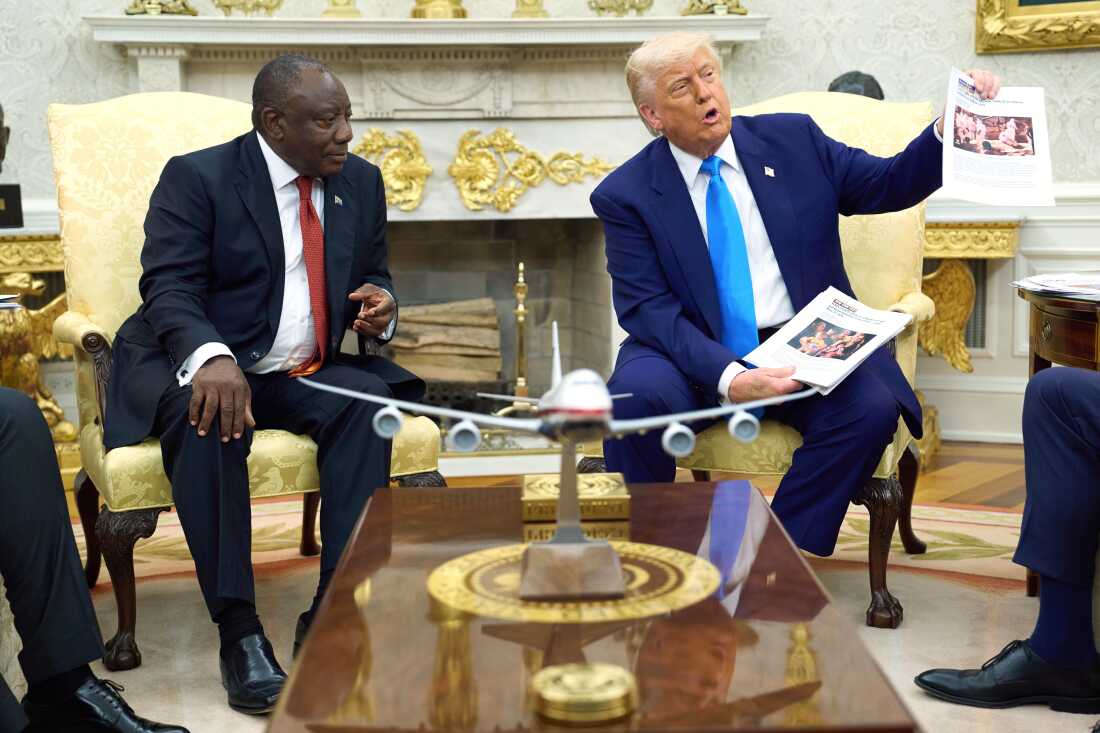
President Donald Trump meets South Africa's President Cyril Ramaphosa in the Oval Office of the White House, Wednesday, May 21, 2025, in Washington. (AP Photo/Evan Vucci)
By: Silas Mwaudasheni Nande
Introduction
The Oval Office has long been regarded as a symbolic arena where world leaders engage in diplomatic negotiations that shape global geopolitics. However, under Donald Trump’s presidency, the nature of these meetings shifted from diplomatic exchange to political confrontation, often leaving leaders from smaller nations in a precarious position. Rather than fostering mutual respect, interactions with Trump frequently devolved into spectacles where leaders found themselves pressured, undermined, or publicly scrutinized.
This article examines two significant instances of perceived submissiveness: Ukrainian President Volodymyr Zelensky’s encounter with President Donald Trump, and South African President Cyril Ramaphosa’s tense diplomatic meeting. Their responses – or lack thereof – raise important questions about the negotiation strategies of weaker nations when engaging with dominant global powers.
Moving forward, future African leaders must learn from these examples and develop a diplomatic stance that upholds national dignity while maintaining strategic engagement. By understanding the political mechanics behind Trump’s confrontational approach and analyzing pathways for stronger leadership, African nations can avoid being subjected to humiliation and submission in global political discussions.
The Zelensky Precedent: A Lesson in Political Vulnerability
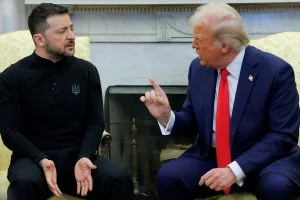
When Volodymyr Zelensky assumed office in Ukraine, he faced significant pressure to maintain strong ties with the United States, which had provided military support to counter Russian aggression. His visit to the Oval Office in February 2025 was expected to focus on strengthening Ukraine’s security position, but instead, he was subjected to unexpected criticism and coercion by Trump and Vice President J.D. Vance.
Trump’s diplomatic strategy in this meeting was blunt and unforgiving, demanding that Zelensky express gratitude more explicitly for U.S. support while subtly pressuring him to align Ukraine’s foreign policy decisions with American interests. The meeting quickly became a political spectacle, televised and widely discussed, with Zelensky struggling to navigate the moment without provoking Trump’s ire.
Why Zelensky’s Approach Was Considered Submissive
- Failure to Redirect the Narrative – Zelensky did not proactively reshape the conversation to emphasize Ukraine’s independent sovereignty or strategic role in global security.
- Visible Discomfort – His restrained responses suggested hesitation and uncertainty, reinforcing perceptions of submissiveness.
- No Counter-Leverage – Ukraine’s dependence on U.S. military aid weakened Zelensky’s ability to assert his country’s interests forcefully.
Ultimately, the meeting served as a cautionary tale for weaker nations: entering negotiations with dominant countries without clear leverage often results in a power imbalance that favors the stronger party.
Ramaphosa’s Oval Office Ambush: A Test of African Diplomacy
Unlike Zelensky, Cyril Ramaphosa visited the White House with different expectations – his meeting was primarily intended to discuss U.S.-Africa trade relations. However, Trump shifted the agenda towards racial tensions in South Africa, introducing a narrative that aligned with far-right claims of ‘white genocide.’
Trump’s calculated media performance included dimming the lights and presenting a video compilation filled with extremist rhetoric, designed to provoke Ramaphosa and place him in a defensive position. His response, though diplomatically cautious, was perceived as weak, failing to challenge the misinformation directly or reposition the discussion towards economic development.
How Ramaphosa Could Have Managed the Situation Differently
- Confront the Misinformation – A direct refutation, backed by statistical evidence and policy records, could have neutralized the false narrative.
- Redirect the Focus – Steering the discussion toward bilateral trade agreements would have prevented the meeting from becoming a racialized controversy.
- Assert African Sovereignty – By clearly stating that South Africa would not entertain externally driven ideological debates, Ramaphosa could have demonstrated stronger diplomatic control.
His reaction, while strategic in avoiding confrontation, reinforced the perception that African leaders struggle to push back against global narratives imposed upon them – a lesson for future diplomatic engagements.
The Anatomy of Diplomatic Submissiveness
Examining both incidents reveals common factors that contribute to diplomatic submissiveness:
- Power Imbalance – Nations that rely on foreign aid or security assistance often have fewer options for resistance in high-stakes negotiations.
- Media Manipulation – Leaders who enter televised negotiations risk being exposed to public scrutiny, limiting their ability to respond assertively.
- Economic Leverage – The U.S. frequently uses economic dependency to pressure leaders into compliance.
- Political Optics – Diplomats must balance internal political stability with external diplomatic engagements, often choosing restraint over confrontation.
Recognizing these dynamics is essential for African leaders preparing for future encounters in global forums.
Lessons for Future African Leaders
African leaders must develop a proactive diplomatic strategy that ensures national dignity, economic independence, and policy clarity when engaging with dominant political figures. Key strategies include:
1. Establish Clear Diplomatic Boundaries
- Enter negotiations with defined objectives – refuse to engage in discussions that deviate into political ambushes.
- Insist on agenda-setting privileges, ensuring that diplomatic engagements remain focused on constructive dialogue.
2. Strengthen Regional Solidarity
- A unified African stance on key global issues enhances collective bargaining power.
- The African Union (AU) should play a more assertive diplomatic role, reducing individual nations’ vulnerability.
3. Diversify Economic Partnerships
- Dependence on U.S. trade agreements weakens Africa’s negotiation stance – leaders must diversify economic alliances with China, the EU, and intra-African markets.
- Strengthening regional economies ensures greater financial autonomy, limiting external pressure.
4. Master Strategic Communication
- Leaders must control the narrative – using strong, fact-based arguments prevents misrepresentation in political engagements.
- Training in media management and crisis response equips African diplomats with tools to counter manipulative discussions.
5. Demand Mutual Respect in Diplomatic Engagements
- African leaders must assert their sovereignty in global negotiations.
- Reject unequal diplomatic protocols that perpetuate power imbalances – insist on equal dialogue structures.
Conclusion: Redefining African Diplomacy
The encounters of Zelensky and Ramaphosa underscore the need for African leaders to rethink their diplomatic strategies. The next African leader to visit the Oval Office must prepare to counter political theatrics, refuse submission, and uphold national dignity without fear.
By establishing clear diplomatic boundaries, strengthening regional solidarity, diversifying economic partnerships, mastering communication, and demanding mutual respect, African nations can ensure sovereign representation in global affairs.
Future African leadership must be bold, strategic, and unwavering, refusing to entertain manipulative power dynamics disguised as diplomacy. The next visit to the Oval Office must not be an act of submission, but an assertion of African strength and independence.
Similar Posts by The Mt Kenya Times:
- Not every struggling student is lazy
- Laikipia University: A natural haven for learning
- Why you should not milk a Kenyan buffalo
- Beyond the scars: The grief, fear and hope of living after breast cancer
- Obaga Momanyi hosts free medical camp for Persons with Disabilities in Bonchari
About the Author