Disaster Risk Management Bill Set To Overhaul Disaster Management In Kenya

By PSCU
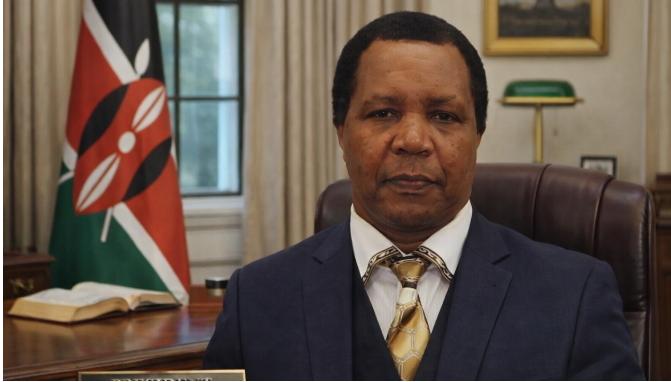
The Principal Secretary in the Ministry of East African Community, ASALs, and Regional Development, Mr. Harsama Kellow, has stated that the Disaster Risk Management Bill currently in the Senate, once passed into law, will significantly improve disaster management in the country.
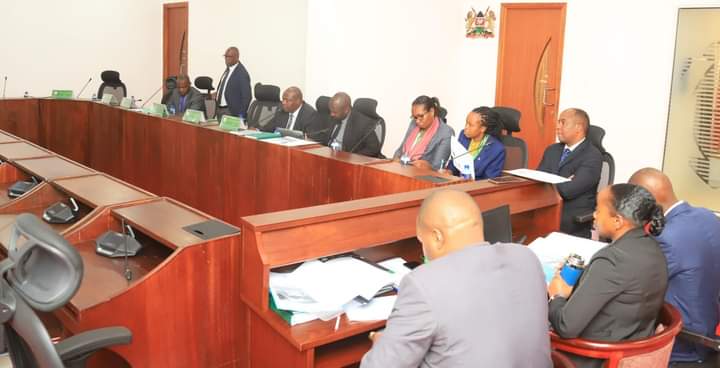
Speaking last week before the Departmental Committee on Regional Development in response to a performance audit report by the Auditor-General on flood management, Mr. Harsama noted that the Bill will establish a National Disaster Management Authority.
He said this Authority will oversee Disaster Management across the country.
“This new Authority will address existing challenges such as poor coordination, duplication of efforts, and resource wastage, which currently hinder effective disaster management in the country,” he said.
Mr. Kellow also pointed out that many organizations, such as the Kenya Red Cross, State House, county disaster departments, and other non-governmental organizations, often provide conflicting reports during disasters, leaving residents confused. The Bill aims to resolve this issue.
Regarding preparedness, Mr. Kellow emphasized the importance of early warning and action.
He stressed that counties should be at the forefront of sensitizing communities about the need for early action, which is critical for successful flood interventions.
“Counties remain the first line of responders and are well-positioned to encourage and support communities in taking early action,” he said.
Addressing concerns about the relief process, Mr. Kellow acknowledged issues such as insufficient relief supplies, delays in delivery, incomplete data, and inadequate enforcement of accountability mechanisms.
‘’The ministry frequently faces resource limitations but seeks support from other actors to ensure that needy populations receive timely relief supplies. In areas where roads have been affected by floods, the ministry utilizes air transport to deliver relief food,’’ he said.
Regarding non-adherence to set guidelines on relief requests, Mr. Kellow reiterated that all allocations of relief supplies to counties must be based on formal requests.
However, he noted that not all requests can be honored, and deserving counties are not denied relief supplies due to a county official failing to make a formal request.
The Chairman of the Committee, Peter Lochakapong (Surgoi), raised concerns about accountability in the distribution of relief food, questioning whether the Ministry of Interior or the Principal Secretary were responsible for last-mile distribution. He noted that food was often misused or sold.
The PS clarified that, according to Executive Order Number 2 of 2023, the PS oversees the distribution of relief food, with distributors required to file returns after distribution from the Sub-Counties. He added that the Ministry had allocated funds to AICs for food distribution in the previous financial year but encountered problems that led to abuse. He indicated that, the Bill, if passed, aims to resolve these issues.
Ganze MP Tungule Charo noted that the distribution of relief food has often varied by sub-counties, with some receiving more due to their larger size and population.
He commended the department for its commendable work despite logistical challenges in distributing aid to affected villages. In his sub-county of Ganze, he emphasized the difficulty of getting food to remote villages, a challenge he hopes the Bill will address.
Kazungu also mentioned the difficulty of obtaining help during disasters due to the lack of a centralized information center and inadequate data on affected populations. He criticized the numerous organizations that compete for donor funding during disasters without genuinely prioritizing the needs of the affected people and expressed confidence that the Bill in the Senate will help rectify this.
Khamis Chome commended the department’s efforts despite numerous challenges and emphasized the importance of proper staffing to aid in food distribution before the Bill is passed.
He highlighted the need for adequate funding to support the department and warned against the politicization of relief food distribution for local leaders’ gain.
Other Members present included Majimbo Kasinga (Kabuchai), Joseph Cherorot (Kipkellion), and Eli Letipila (Samburu).
Similar Posts by The Mt Kenya Times:
- Diaspora Times Global Oct 17 – Oct 23, 2026
- Is social media a blessing or a curse for university students?
- Light at last: How electricity is reshaping Nandi and Uasin Gishu
- The triple squeeze: how EPRA’s fuel price hike is reshaping the survival equation for the common mwananchi
- Zelenskyy accuses Trump of rewarding Putin as Pope pleads for peace from a hospital bed
About the Author