Do we learn nothing? The recurring tragedy of school fires in Kenya
 The Mt Kenya Times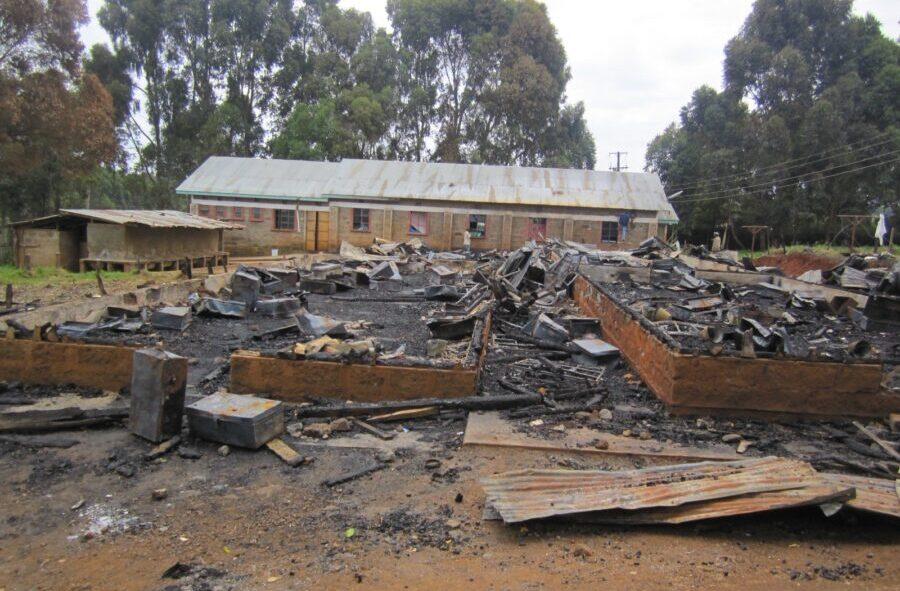
School fires in Kenya
By Jerameel Kevins Owuor Odhiambo
Kenya’s boarding schools, once symbols of discipline, aspiration, and upward mobility, have repeatedly become scenes of horror. Over the past few decades, fires and related stampedes have claimed more than 150 young lives. Each tragedy follows a grimly familiar script: an outbreak of fire in overcrowded dormitories, locked exits, barred windows, panic, and preventable deaths. Public outrage erupts, promises are made, commissions are formed, and then silence returns until the next inferno. The question that haunts every Kenyan who has followed this pattern is simple yet devastating: Do we learn nothing?
The historical record is damning. In 1991, at St. Kizito Mixed Secondary School in Meru, 19 girls died in a stampede after male students raided their dormitory during a strike. Overcrowding turned a place of refuge into a death trap. In 1998, Bombolulu Girls Secondary School in Kwale lost 26 students when a fire swept through an overcrowded dormitory with locked exits and grilled windows. The deadliest incident occurred at Kyanguli Secondary School in Machakos in 2001, where 67 students perished after two boys set a mattress ablaze; barred windows and a padlocked door sealed their fate. Similar stories echo across the years: Nyeri High School (1999, 4 deaths), Endarasha Boys (2010, 2 deaths), Asumbi Girls (2012, 8 deaths), Moi Girls (2017, 10 deaths), Hillside Endarasha Academy (2024, 21 deaths), and most recently, Utumishi Girls Academy in Gilgil in May 2026, where 16 students died after a mattress fire near an exit that reportedly remained locked.
These are not isolated accidents. They reveal deep, recurring structural and behavioral failures. Many dormitories remain overcrowded, with narrow walkways and inadequate emergency exits. Safety infrastructure fire alarms, extinguishers, clear evacuation routes is often symbolic rather than functional. Windows are still barred “for security,” turning buildings into cages when fire strikes. Electrical faults, arson by disgruntled students, and negligence by staff appear with tragic regularity. The pattern suggests that recommendations from previous inquiries gather dust on shelves while the same conditions persist.
Where are the school inspectors? Kenya has a system of education quality assurance and standards officers under the Ministry of Education. Their mandate includes ensuring compliance with safety regulations, infrastructure standards, and overall school governance. Even so tragedies continue unabated. This raises uncomfortable questions about the effectiveness of inspection regimes: Are inspections routine and rigorous, or perfunctory box-ticking exercises? Do inspectors have the authority, resources, and political backing to enforce closures or major upgrades when schools fall short? The repetition of the same hazards locked exits, overcrowding implies systemic weakness in enforcement. Without accountability that bites, inspections become theater rather than safeguard.
Public discourse after each tragedy often slides into familiar grooves: blame the students, blame the parents, blame the government, or invoke general moral decay. There is truth in acknowledging individual responsibility some fires have been deliberately started by students seeking to force transfers, protest, or settle scores. Nevertheless, the rush to pathologize individual “bad manners” or romanticize student unrest as mere youthful rebellion avoids harder systemic questions. Equally problematic is the reflex toward victimhood narratives that absolve institutions and families of any role. Parents who pay fees and entrust their children to boarding schools deserve assurance that basic safety is not negotiable. When it fails, shared responsibility must be confronted honestly, not through partisan finger-pointing.
This cycle thrives on cognitive dissonance. We decry the loss of life while continuing practices that make such losses probable. We speak of children as the future yet tolerate environments that stunt their emotional and social development. Many students resort to extreme measures arson, strikes, violence because they lack constructive channels for expressing disgruntlement and disagreement. Boarding school life, with its rigid hierarchies, limited counseling, and high pressure, often neglects the cultivation of emotional intelligence (the ability to recognize, understand, and manage one’s emotions) and social intelligence (navigating relationships, empathy, and conflict resolution). When young people feel powerless, unheard, or overwhelmed, destructive outlets become tragically attractive.
A zoomed-out perspective reveals that school fires are symptoms of broader societal and institutional malaise. Kenya’s education system emphasizes academic performance and examination results, sometimes at the expense of holistic development, safety, and character formation. Behavioral dynamics power imbalances between students and administration, poor conflict management, and inadequate mental health support fuel unrest. Romanticizing “student power” or, conversely, responding with heavy-handed punishment without dialogue only deepens alienation. Pathologizing every incident as isolated “indiscipline” prevents us from addressing root causes: poor infrastructure investment, weak regulatory oversight, and a culture that normalizes blaming others instead of solving problems collaboratively.
Concrete solutions demand moving beyond rhetoric. First, infrastructure: mandatory audits of all boarding schools with enforceable timelines for upgrades fire-resistant materials, multiple unlocked emergency exits, functional alarms, and reduced occupancy ratios. Schools failing basic safety standards should face closure or probation until rectified. Second, strengthen inspection and accountability. Empower inspectors with clear mandates, digital reporting tools, and consequences for negligence at every level school boards, county education officers, and national ministry. Third, invest in human development. Integrate emotional and social intelligence curricula into teacher training and student programs. Teach conflict resolution, anger management, and responsible dissent from early stages. School counselors must be adequately trained and resourced, not afterthoughts.
Fourth, foster better management and behavioral dynamics. School leaders should prioritize participatory governance student councils with real voice, regular dialogue forums, and transparent grievance mechanisms. Parents, teachers, and administrators must sit together, not to assign blame but to co-create safer environments. Community oversight committees could monitor compliance and support schools in resource-scarce areas. Finally, shift national conversation from episodic outrage to sustained reform. Media and civil society should track implementation of recommendations across administrations, maintaining pressure for continuity.
The Utumishi tragedy of 2026, like those before it, should not become another footnote. Eight students face murder charges, but prosecuting individuals, while necessary, cannot substitute for systemic overhaul. We are, in many ways, a society still grappling with “bad manners” not merely among youth, but in leadership that repeats mistakes, in institutions that fail to protect, and in a public culture quick to blame yet slow to build. Breaking the cycle requires rejecting isolationist thinking: school fires are not just education issues; they intersect with governance, mental health, infrastructure, and values.
A wholesome perspective recognizes young people as both vulnerable and agentic. They need guidance in channeling discontent productively, but they also need environments that model maturity, accountability, and care. Kenya cannot afford to wait for the next tragedy. The time for concrete action sustained, coordinated, and monitored is now. Learning from history is not optional; it is the only ethical path forward if we truly value the lives entrusted to our schools. Only then can we replace the recurring nightmare with institutions worthy of our children’s dreams.
The writer is a social commentator
Similar Posts by The Mt Kenya Times:
- Mt Kenya Times ePAPER October 12, 2026
- Gachagua’s party storms Kikuyu from afar as 2027 countdown begins
- Counties caught: The KSh100B payroll scandal Kenya can no longer hide
- CS Ogamba: tree planting could generate carbon credit millions to fund education
- Farouk Kibet calls for unity and development as leaders rally behind Ruto’s 2027 re-election bid
About the Author