Egerton University Researchers Develop Herbal Remedies For Coccidiosis

By MKT Reporter
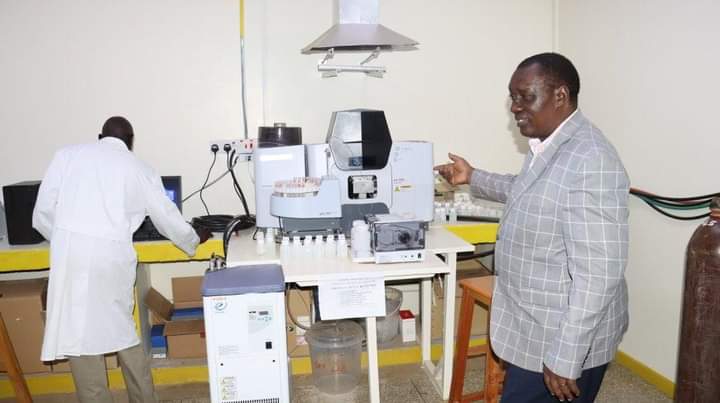
Egerton University’s Safe Food Reference Laboratory (SAF-Lab) has developed an herbal remedy called Aloe Secundiflora Herbal Extract (ASHE) to prevent Coccidiosis parasites in free-range chickens, helping control the rise in artificial drug resistance in poultry.
The drug, made from aloe vera powder extract, is administered to birds through water and has been shown to reduce Coccidiosis infection rates by 81 per cent.
The Food and Agriculture Organisation (FAO) of the United Nations projects that in just ten years, over 24 million people will slide into extreme poverty due to antimicrobial resistance (AMR).
ASHE, which can also be used to treat roundworms, works by inhibiting the hatching of helminth eggs and coccidian oocytes.
“Trials have proven that this herbal extract can reduce faecal egg counts by 53 per cent and oocyst counts by an impressive 80.8 per cent, compared to untreated controls,” notes lead scientist Professor Charles Muleke Inyangwa.
It can reduce faecal egg counts by 53 per cent and oocyst counts by 80.8 per cent compared to untreated controls.
“We’ve worked hard to develop a product that meets the needs of our farmers. Our trials have shown that ASHE is effective, and we are confident it will be a game-changer once it hits the market,” he told journalists.
The Safe Food Reference Laboratory is funded by the National Research Fund (NRF) and is now seeking approval from the Kenya Bureau of Standards for sale to farmers.
Similar Posts by The Mt Kenya Times:
- Mt Kenya Times ePAPER October 26, 2026
- Sakaja challenges Kamukunji police over Eastleigh suspect bail
- Muturi demands binding livestreaming rules for 2027 polls to prevent repeat of 2022 chaos
- NTSA calls for road safety to be declared a national disaster after 24 die in Mtito Andei crash
- Ruku turns on Waiguru over deputy president ambitions: ‘That seat is not being contested for’
About the Author