
Empowering Marginalized Women With Locally Led Solutions Will Promote Climate And Gender Justice
 The Mt Kenya Times
By: Ireen Twongirwe
Worth Noting:
- Noteworthy, The difference between men and women on how climate change affect them can also be seen in their differential roles, responsibilities, decision making, access to land and natural resources, opportunities and needs, which are held by both sexes. Worldwide, women have less access than men to resources such as land, credit, agricultural inputs, decision-making structures, technology, training and extension services that would enhance their capacity to adapt to climate change.
- It’s important to note that Women represent a high percentage of poor communities that are highly dependent on local natural resources for their livelihood, particularly in rural areas where they shoulder the major responsibility for household water supply and energy for cooking and heating, as well as for food security.
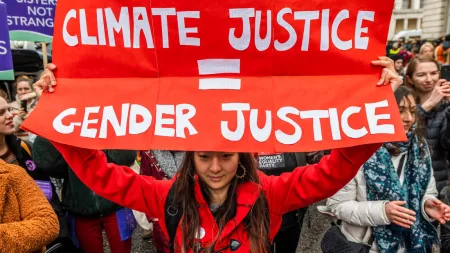 The climate crisis is not “gender neutral”. Women and girls experience the greatest impacts of climate change, which amplifies existing gender inequalities and poses unique threats to their livelihoods, health, and safety. Climate change being a threat multiplier, it has escalated social, political and economic tensions in fragile and conflict-affected settings. As climate change drives conflict across the world, women and girls face increased vulnerabilities to all forms of gender-based violence, including conflict-related sexual violence, human trafficking, child marriage, and other forms of violence.
Based on the findings of the Intergovernmental Panel on Climate Change (IPCC), it is evident that people who are already most vulnerable and marginalized will also experience the greatest impacts. The poor, primarily in developing countries, are expected to be disproportionately affected and consequently in the greatest need of adaptation strategies in the face of climate variability and change. Both women and men working in natural resource sectors, such as agriculture, are likely to be affected. However, the impact of climate change on gender is not the same. Women are increasingly being seen as more vulnerable than men to the impacts of climate change, mainly because they represent the majority of the world’s poor and are proportionally more dependent on threatened natural resources.
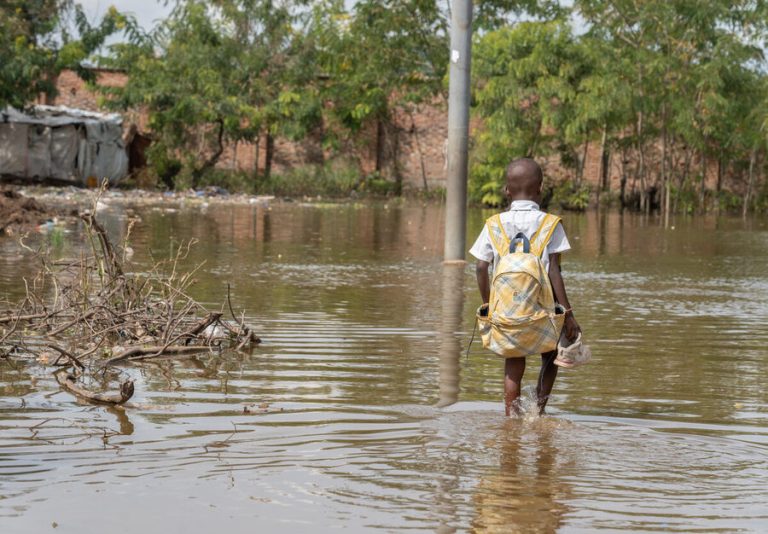
Furthermore, across the world, women depend more on, yet have less access to, natural resources. In many regions, women bear a disproportionate responsibility for securing food, water, and fuel. Agriculture is the most important employment sector for women in low- and lower-middle income countries, during periods of drought and erratic rainfall, women, as agricultural workers and primary procurers, work harder to secure income and resources for their families. This puts added pressure on girls, who often have to leave school to help their mothers manage the increased burden.
More so, Gender inequality coupled with the climate crisis is one of the greatest challenges of our time. It poses threats to ways of life, livelihoods, health, safety and security for women and girls around the world. With every fraction of a degree of warming, the impacts of climate change will become more frequent and more intense – and adaptation will become that much harder and more expensive for people and ecosystems.
Noteworthy, The difference between men and women on how climate change affect them can also be seen in their differential roles, responsibilities, decision making, access to land and natural resources, opportunities and needs, which are held by both sexes. Worldwide, women have less access than men to resources such as land, credit, agricultural inputs, decision-making structures, technology, training and extension services that would enhance their capacity to adapt to climate change.
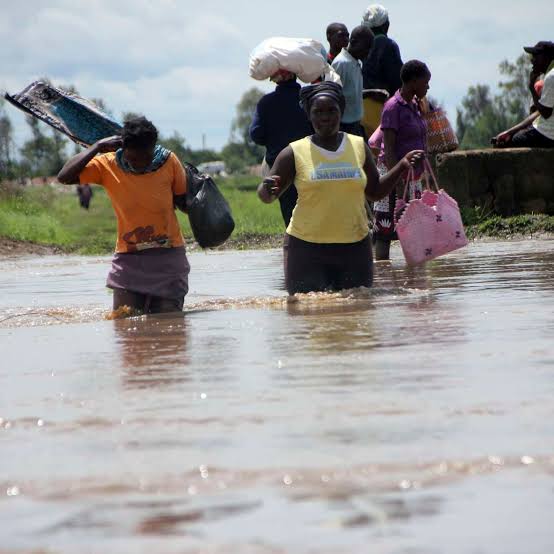
It’s important to note that Women represent a high percentage of poor communities that are highly dependent on local natural resources for their livelihood, particularly in rural areas where they shoulder the major responsibility for household water supply and energy for cooking and heating, as well as for food security. During extreme weather such as droughts and floods, women tend to work more to secure household livelihoods. This will leave less time for women to access training and education, develop skills or earn income hence disproportionately being affected by climate crisis.
Amidst these factors, Efforts to adapt to the impacts of climate change face a number of significant challenges. First and foremost, there is urgent need to understand the meaning of adaptation which refers to the measures, efforts and solutions communities put in place to end climate injustices. Furthermore, it means the actions that help reduce vulnerability to the current or expected impacts of climate change like weather extremes and hazards, sea-level rise, biodiversity loss, or food and water insecurity.
The first major bottleneck for adaptation action is the availability of and access to finance. In fact, the adaptation finance needs of developing countries are estimated to be 10 to 18 times larger than what is currently available from public sources. It’s also absurd that developed countries have not yet delivered their promises on finance according to Paris agreement.
Finance is needed to drive investment in a range of adaptation solutions, so countries can learn what works and scale up what is most effective. But it is also needed to empower communities those on the frontlines of climate change in locally led, locally-appropriate action.
Another major challenge is information and knowledge gaps. Accurate climate data is not easily available in many developing countries and localized risk assessments do not exist and systems for monitoring, learning and evaluation of adaptation are still fragmented. Without these pieces of the puzzle, it is difficult for governments, communities and the private sector to plan effectively and make sound decisions on where to invest.
Finally, institutional and governance constraints are a major issue. Challenges of coordination among sectors and levels of government, and lack of specialized knowledge and experience for example in realizing climate-risk informed planning and investments are hindering effective adaptation in many countries. These challenges greatly affect marginalized women increase on climate adaptation solutions.
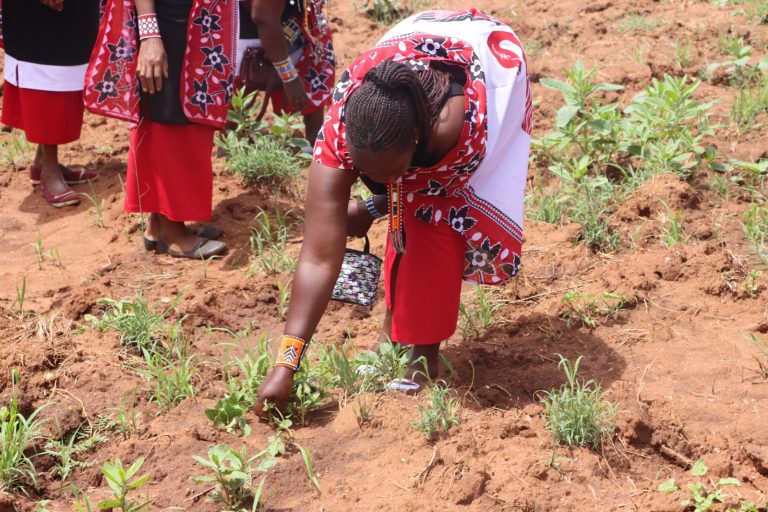
In spite of their vulnerability, women are not only seen as victims of climate change, but they can also be seen as active and effective agents and promoters of adaptation and mitigation. For a long time women have historically developed knowledge and skills related to water harvesting and storage, food preservation and rationing, and natural resource management.
For example in Africa, old women use their indigenous knowledge and expertise related to early warnings and mitigating the impacts of disasters. This knowledge and experience has passed from one generation to another and it has contributed effectively to enhancing local adaptive capacity and sustaining a community’s livelihood. Marginalized women use their hands on skills to make briquettes as an alternative to charcoal, firewood hence reducing on the level of deforestation in the community. They also weave ecofriendly bags that are sustainable hence ending the use of plastic bags “KAVEERA” that can pollute our environment. These locally led solutions have not only improved on climate adaptation and mitigation but also their social economic development through selling their products.
Further, Women’s priorities and needs must be reflected in the development planning and funding. Women should be part of the decision making at national and local levels regarding allocation of resources for climate change initiatives. It is also important to ensure gender-sensitive investments in programmes for adaptation, mitigation, technology transfer and capacity building.
More so, Funding organizations and donors should also take into account women-specific circumstances when developing and introducing technologies related to climate change adaptation and to try their best to remove the economic, social and cultural barriers that could constraint women from benefiting and making use of them. Involving women in the development of new technologies can ensure that they are adaptive, appropriate and sustainable. At national levels, efforts should be made to mainstream gender perspective into national policies and strategies, as well as related sustainable development and climate change plans and interventions.
Lastly, Adaptation initiatives should identify and address gender-specific impacts of climate change particularly in areas related to water, food security, agriculture, energy, health, disaster management, and conflict. Important gender issues associated with climate change adaptation, such as inequalities in access to resources, including credit, extension and training services, information and technology should also be taken into consideration,
For God and my Country
Ireen Twongirwe
Executive Director
Women for Green Economy Movement Uganda
Similar Posts by The Mt Kenya Times:
- Mt Kenya Times ePAPER October 1, 2026
- Museveni backs Lamu but keeps Uganda’s money at home
- Sifuna’s party wins its name — and Kenya’s opposition race begins in earnest
- Lamu’s $16B gamble: Africa’s biggest refinery divides the region
- Ruto launches KSh2.2 trillion Lamu refinery in East Africa’s biggest energy bet
About the Author

 Brenda Holo