The Mt Kenya Times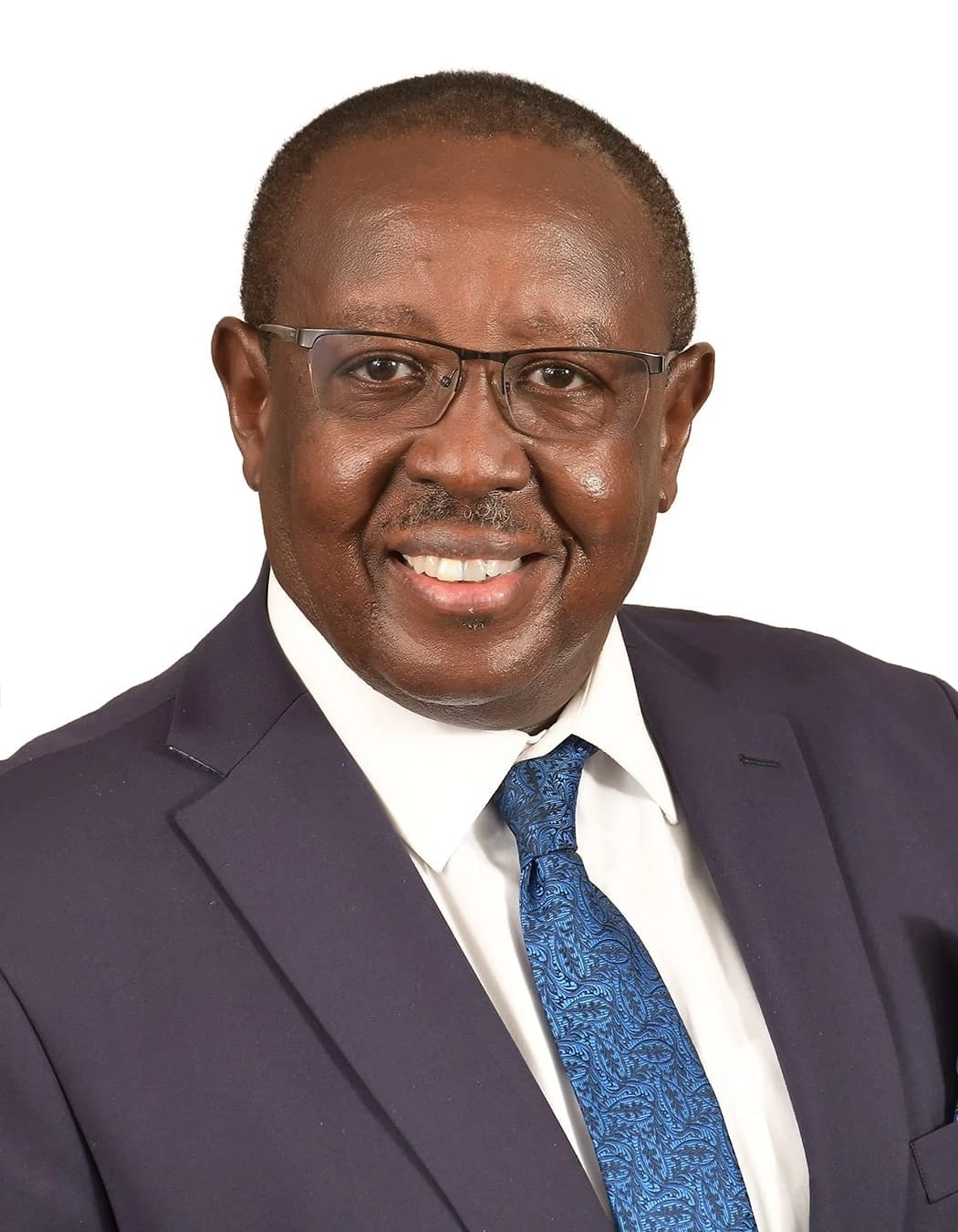
Eng. James Mwangi, chief executive of Kurrent Technologies Ltd.
Engineer says Lamu project could anchor petrochemicals, jobs and regional trade beyond fuel
By John Kariuki
Construction of Aliko Dangote’s 700,000-barrel-a-day oil refinery in Lamu could turn Kenya into a regional hub for energy, manufacturing and petrochemicals, according to Eng. James Mwangi, chief executive of Kurrent Technologies Ltd.
The project will break ground tomorrow in a ceremony led by President William Ruto, with several heads of state and government expected to attend, according to Deputy President Kithure Kindiki.
Mwangi, a consulting engineer, is a fellow of the Institution of Engineers of Kenya and a past vice-president of the International Federation of Consulting Engineers, known as FIDIC, which is based in Geneva. He also belongs to the Energy Institute and the Association of Consulting Engineers of Kenya. His career in engineering, petroleum and energy systems informs his reading of the project.
The refinery, the largest planned in East Africa, is designed to process 700,000 barrels of crude oil a day. Dangote Group has identified the site, and preliminary investigations have begun. Construction is expected to take three to four years.
Mwangi argues that the facility should be judged less as a fuel plant than as an anchor for wider industrial growth.
His case rests on Lamu’s location. The Lamu Port-South Sudan-Ethiopia Transport corridor, known as LAPSSET, was conceived as a network linking Kenya’s coast to the north of the country, South Sudan and Ethiopia. A refinery, he says, would add the industrial demand that transport and port infrastructure needs to justify itself.
“A transport corridor alone cannot unlock its full economic value unless it is accompanied by industries and business activities capable of creating employment, stimulating commerce and attracting private capital,” Mwangi said.
He expects investors to set up complementary businesses along the energy and petroleum value chain, including fuel storage, logistics centres, engineering workshops, industrial parks, manufacturing plants, accommodation and small and medium-sized enterprises.
Kindiki has said the refinery will create more than 50,000 jobs and boost Kenya’s industrialisation. Government estimates suggest a substantial share of the positions will be skilled.
The most significant opportunity, Mwangi says, lies in what could grow around the refinery. Modern plants often anchor petrochemical chains that produce industrial chemicals, plastics, synthetic materials, fertiliser-related products and packaging, all inputs to the wider manufacturing economy.
“A refinery is not simply about producing diesel, petrol, aviation fuel, liquefied petroleum gas or bitumen. It creates the foundation upon which multiple manufacturing industries can thrive,” he said.
Kenya has long relied on imported petroleum products and many industrial inputs. A large domestic refining and petrochemical complex, Mwangi says, would allow greater local value addition and reduce dependence on some imports.
The effects, he adds, would reach agriculture, construction, healthcare, manufacturing, transport and consumer goods. Local fertiliser-related inputs could strengthen farming value chains, while petrochemical-based production could supply packaging, building materials, textiles and health products.
The scale of the project would also demand a broad range of Kenyan expertise, from civil works and electrical systems to mechanical, chemical and process engineering, environmental management, logistics and industrial automation.
Mwangi says the refinery could give Kenyan firms a platform to take part in major industrial projects and build capacity in advanced engineering and energy technologies. He also sees a foundation for a structured internship and mentorship programme for engineering and technical students, from technical and vocational training institutions to universities.
Local suppliers and service providers would also gain. Transporters, manufacturers, fabricators, contractors, technology companies, financial institutions, consultants and small businesses could all benefit from activity around the facility, he says.
Universities and technical institutions, Mwangi adds, could respond by strengthening programmes in petroleum engineering, chemical engineering, process technology, industrial automation and environmental science, building a skills base for the refinery and for Kenya’s wider industrial ambitions.
The plant is also meant to serve beyond Kenya. Ruto has said it is expected to serve Ethiopia, South Sudan, Uganda, Tanzania, Rwanda, Burundi and the Democratic Republic of Congo, which Mwangi believes offers the scale a major refining and petrochemical complex needs.
“The East African Community already provides a substantial market. What is required is coordinated investment that allows countries to benefit collectively from regional natural resources and industrial capacity,” he said.
Such integration, he says, could open the way to cross-border trade, infrastructure and investment, and strengthen the commercial case for the Lamu corridor.
Lamu’s deep-water port, its position on the Indian Ocean and its proximity to markets in East and Central Africa give the site a logistical advantage. Combined with energy processing and regional transport links, Mwangi says, they could form an integrated industrial and logistics system.
“The real opportunity is to ensure that the refinery does not operate as an isolated project but becomes part of a wider industrial ecosystem,” he said. That approach, he argues, would maximise the value of public infrastructure already built around Lamu and draw further private investment.
Energy security is a further benefit. The refinery is expected to reduce East Africa’s reliance on imported refined products by creating significant regional capacity, and Mwangi says it would also strengthen Kenya’s strategic stocks in line with the law.
Local and regional refining, he says, could also shield economies from some vulnerabilities of international supply chains, although petroleum prices would still be influenced by global crude prices and other market factors.
Dangote Group already operates a 650,000-barrel-a-day refinery at Lekki, near Lagos, which Ruto toured on Friday ahead of the Lamu ceremony. The Lamu plant is planned to sit on LAPSSET land at Magogoni, alongside a special economic zone and a 1,000-megawatt power plant.
Dangote has said about 70 per cent of the project will be financed by debt and the rest by shareholders, including Dangote. Reports put completion at around 2030 if the schedule holds.
Not every question is settled. Global fuel demand is shifting as electric vehicles gain ground, and the financing of a project of this size will be tested over the years ahead. Mwangi’s argument is that the refinery’s worth will depend on the industries built around it.
Tomorrow the first ground is broken; whether industry follows will decide the refinery’s legacy.
Similar Posts by The Mt Kenya Times:
- Olise seals France win over Belgium in Nations League thriller
- Fatuma faces Senate scrutiny in PSC commissioner bid
- Birik: Lokichar first oil on course for December
- Mt Kenya Times ePAPER September 29, 2026
- Kenya’s ageing crisis: Act now or pay later
About the Author