From smoke to a blue flame: How biogas is rewriting women’s stories in rural Kenya
 The Mt Kenya Times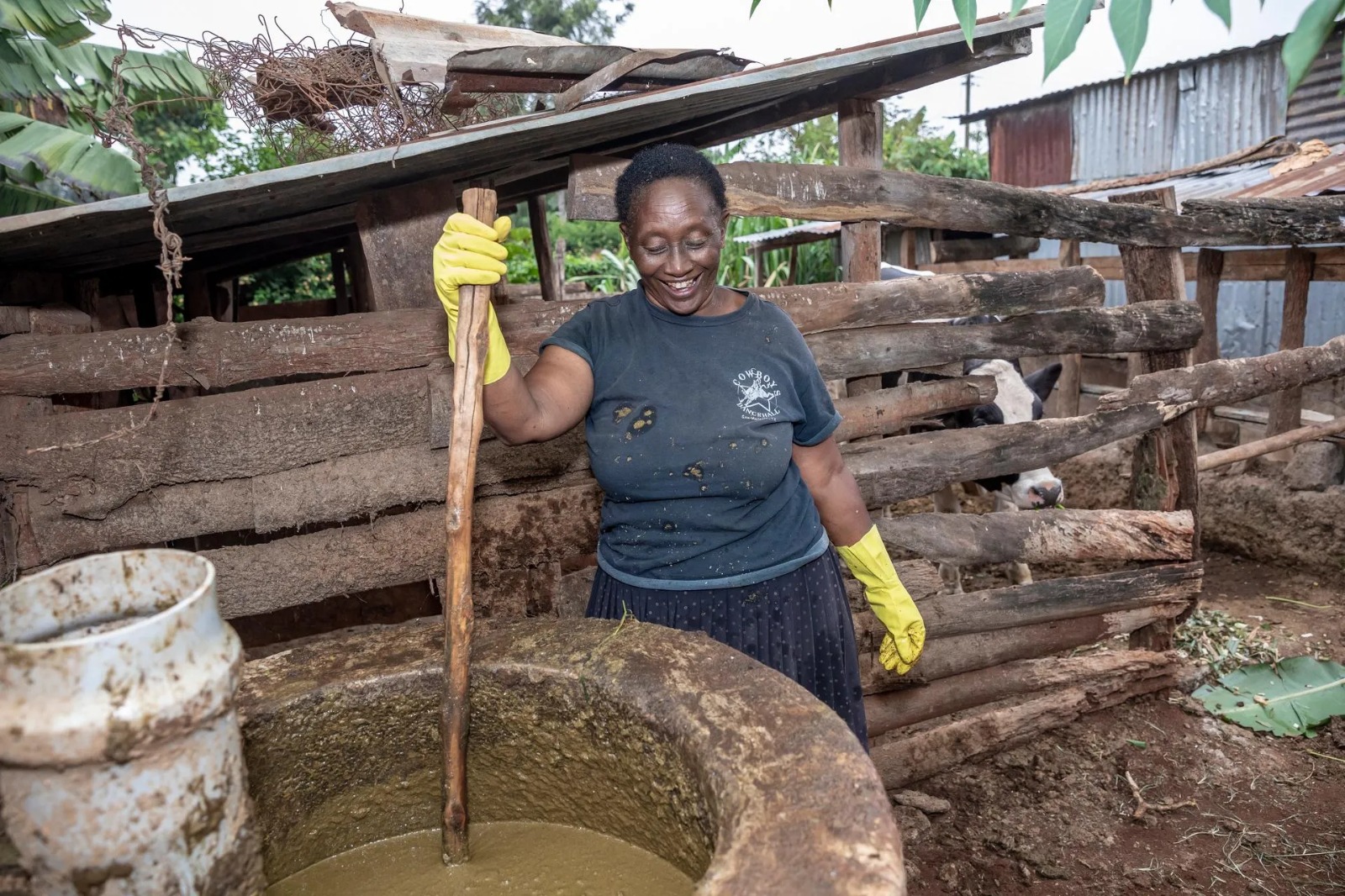
Biodigester-Biogas
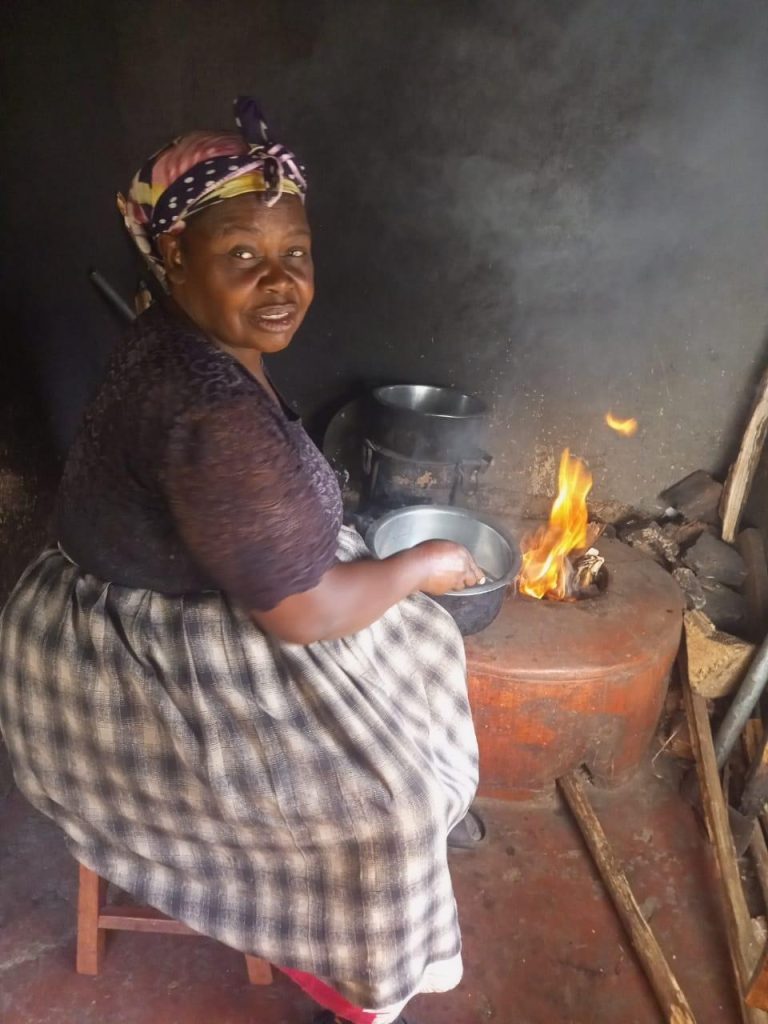
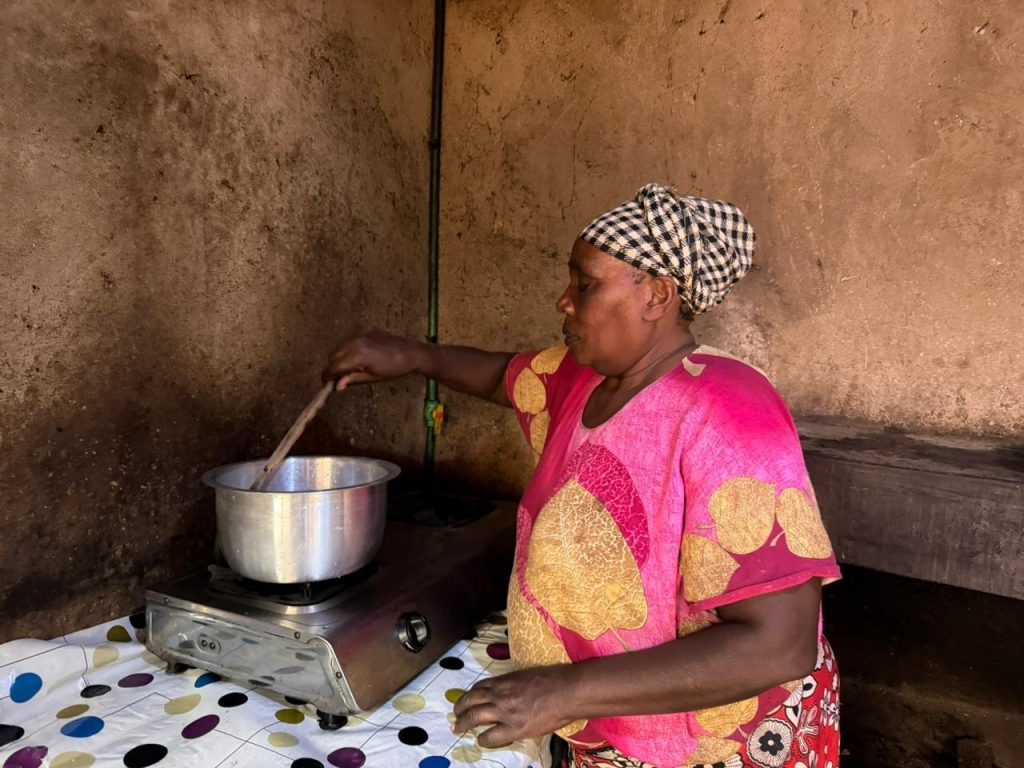
At dawn in Kisii County, a soft blue flame flickers to life in Joyce Kemunto’s kitchen. She leans over her stove, gently stirring a pot of githeri as steam rises into the cool morning air. There is no smoke curling into her eyes, no frantic fanning of firewood, no coughing children retreating from the kitchen.
Just a year ago, this same space told a different story.
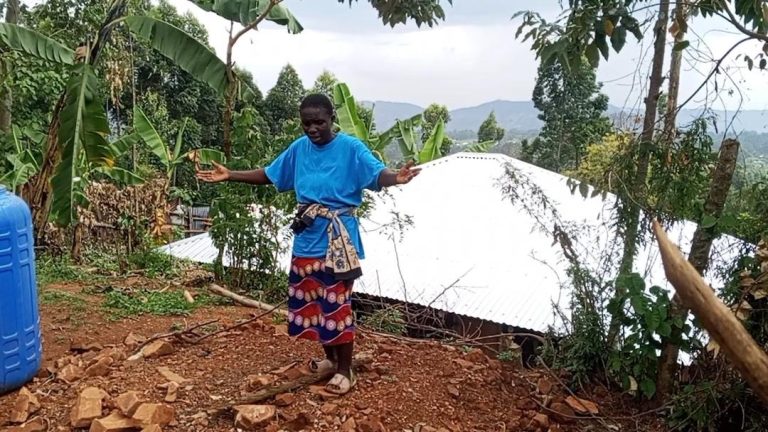
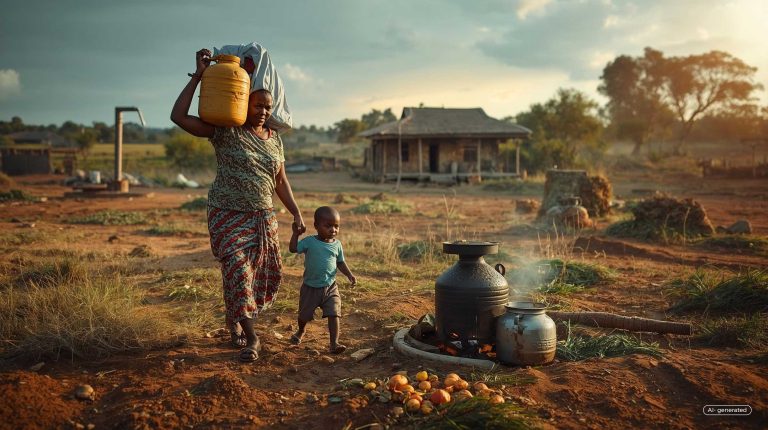
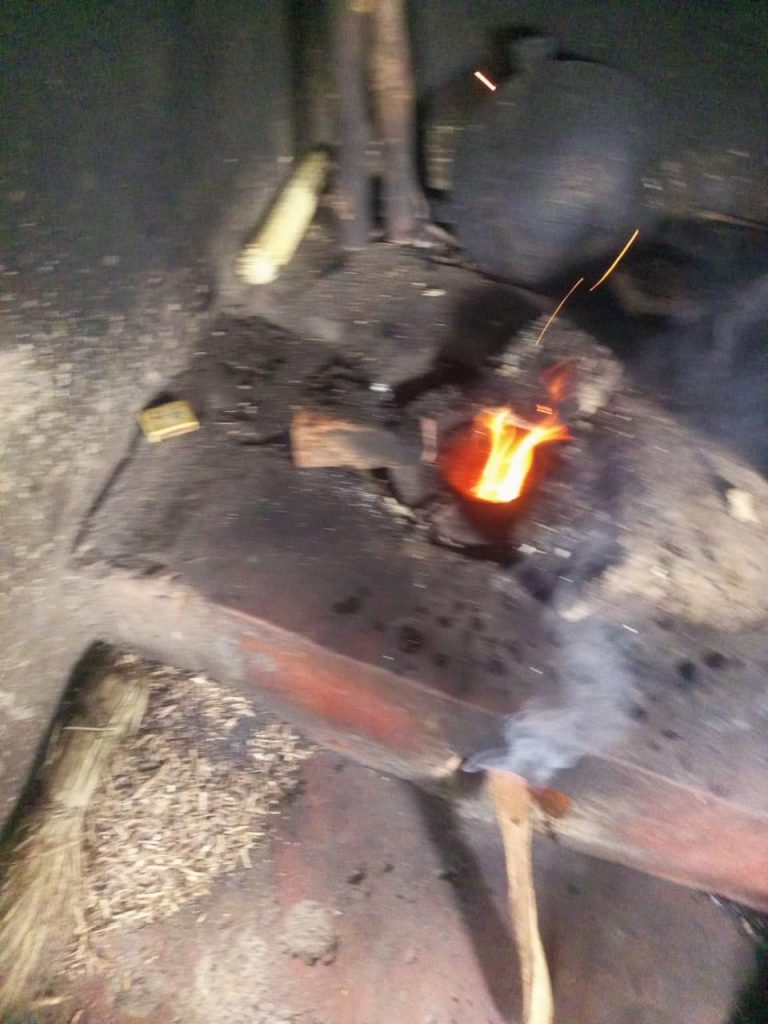
Back then, Kemunto cooked on three stones, her kitchen thick with smoke and her eyes constantly teary. Every meal came at a cost her health, her time, and her dignity. Like millions of women across rural Kenya, her days began with long treks in search of firewood, often alongside her daughter, their footsteps tracing paths worn by generations of women bound to the same routine.
“It was exhausting,” she recalls quietly. “Sometimes we walked for hours. Moreover, when the wood was wet, the smoke was worse. You cook while crying.”
Today, that life feels distant.
According to WHO around 2.1 billion people worldwide (around a quarter of the global population) cook using open fires or inefficient stoves fuelled by kerosene, biomass (wood, animal dung and crop waste) and coal, which generates harmful household air pollution.
At current rates, only 78% of the global population is expected to have access to clean cooking by 2030. This shortfall would leave nearly 1.8 billion people still without clean cooking solutions.
A Kitchen Transformed, a Life Reclaimed
Kemunto is among a growing number of rural women embracing biogas a clean, renewable energy source produced from organic waste such as animal manure. What once seemed unimaginable has become her daily reality.
“I did not believe it at first,” she admits with a laugh. “How can cow dung produce gas for cooking? It sounded like a story.”
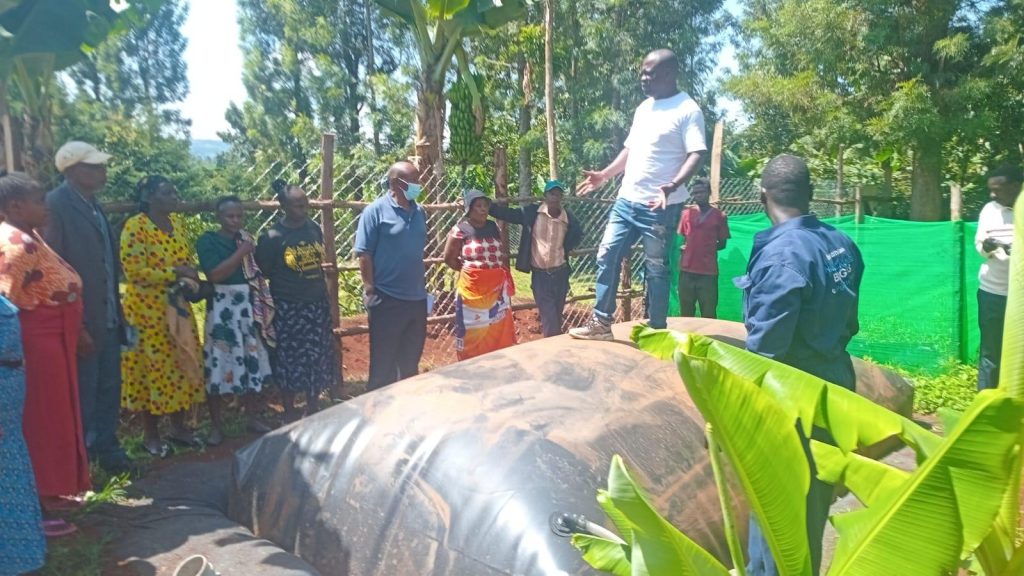
However, curiosity led her to a community training session organized by a local initiative promoting clean energy solutions. Soon after, she installed a small biogas unit in her homestead.
The change was immediate.
Now, instead of spending hours collecting firewood, Kemunto uses her mornings tending to her vegetable garden and preparing her children for school. The time she has regained has opened doors she never imagined.
“Biogas has given me time,” she says. “Time to think, to work, and to rest.”
The Invisible Burden Women Carry
Across Kenya, women bear the greatest burden of energy poverty. In many rural households, cooking remains dependent on firewood and charcoal fuels that are not only labor-intensive but also dangerous.
Dr. Richard Onkware is the Director of Public Health and Sanitation for Kisii County, warn that prolonged exposure to indoor air pollution is a silent killer. Women and children, who spend the most time near cooking areas, face heightened risks of respiratory infections, eye problems, and chronic illnesses.
Kemunto knows this all too well.
“My chest used to hurt, and my eyes were always red,” she says. “But I thought it was normal. Every woman was going through the same thing.”
Today, her kitchen is smoke-free and so is her life.
According to WHO Women and children disproportionately bear the greatest health burden from polluting fuels and technologies in homes as they typically labour over household chores such as cooking and collecting firewood and spend more time exposed to harmful smoke from polluting stoves and fuels.
Furher it highlights gathering fuel increases the risk of musculoskeletal injuries and consumes considerable time for women and children – limiting education and other productive activities. In less secure environments, women and children are at risk of injury and violence while gathering fuel.
Beyond Cooking: A Pathway to Economic Empowerment
For many women, the benefits of biogas extend far beyond the kitchen.
In neighboring Nyamira County, 42-year-old Jane Moraa has turned time saved from firewood collection into an economic opportunity.
“Before biogas, my day was already finished before noon,” she says. “I was always tired.”
After installing her biogas system, Moraa ventured into poultry farming a long-held dream she never had time to pursue.
“Now I earn my own money,” she says with pride. “I am not just depending on my husband.”
The slurry produced from her biogas unit has also become a valuable resource. Used as organic fertilizer, it has improved her farm’s productivity, reducing her reliance on expensive chemical inputs.
“My vegetables are healthier, and my harvest has increased,” she explains. “Nothing goes to waste.”
Biogas uptake
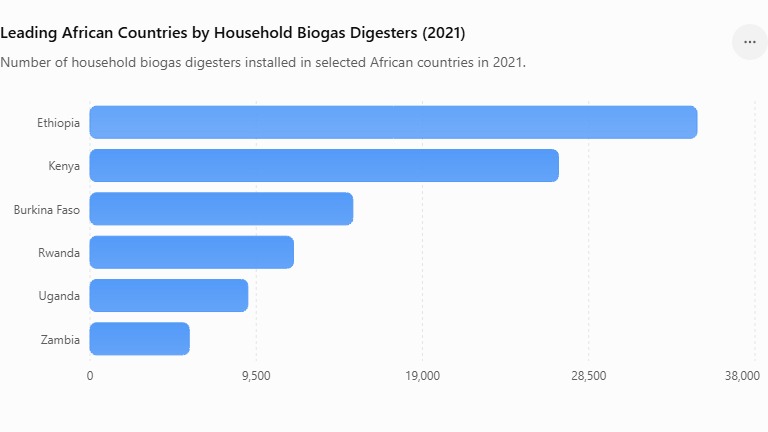
According to Sistema.bio South Nyanza officer Elijah Arodi, Kenya has installed more than 20,000 biogas systems nationally, but this represents only a small fraction of the households that could benefit from the technology.
Earlier initiatives such as the Kenya Biogas Program (KBP) helped install over 17,000 digesters across 36 counties, laying the foundation for wider adoption of clean cooking energy in rural areas.
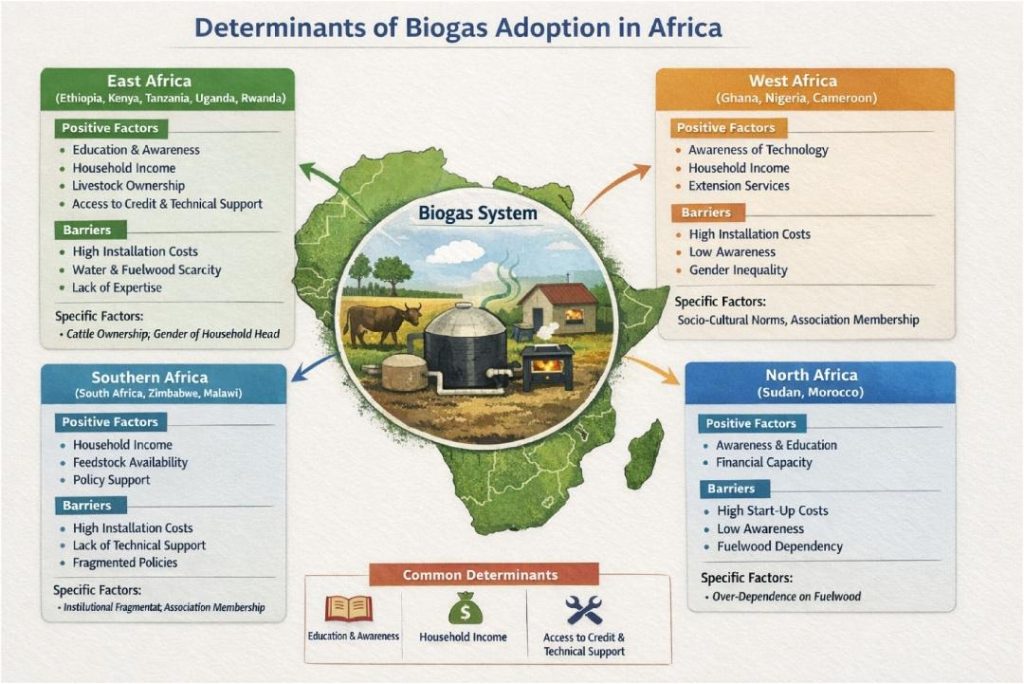
Arodi notes that biogas uptake has been strongest in dairy farming regions including Central Kenya, parts of Rift Valley, and counties such as Kisii where livestock keeping is common among smallholder farmers.
“In Kisii, adoption is moderate but still fragmented. Most users are smallholder dairy farmers with two to five cows, which is enough to run a household biogas system,” said Obwoge.
He added that much of the current growth is being driven by NGO-supported projects and private companies such as Sistema.bio and SimGas, which are helping farmers access affordable biodigesters and technical support.
Despite the progress, Arodi say biogas adoption in Kenya is still in its early stages, leaving millions of rural households untapped.
Women Leading a Quiet Energy Revolution
As biogas gains traction, women are not just beneficiaries they are becoming champions of change.
In many communities, women are taking the lead in advocating for clean energy, educating their peers, and even training as technicians. Their lived experiences position them as powerful agents of transformation.
Ruth Mogaka gender expert, observes that biogas is not only an energy solution but also a tool for advancing gender equality and women’s empowerment. Women and girls traditionally bear the responsibility of collecting firewood and cooking, tasks that consume significant time and expose them to health risks from smoke.
“When women gain access to clean energy technologies such as biogas, they save valuable time that can be invested in education, farming, entrepreneurship, and leadership roles within their communities,” Mogaka explains.
Mogaka adds that increased adoption of biogas can help reduce women’s unpaid care burden, improve their health, and create opportunities for economic independence, ultimately contributing to more equitable and resilient rural communities.
Kemunto has embraced this role wholeheartedly. Her home has become an informal learning center, where neighbors come to see the system in action.
“I tell them, ‘If you are tired of smoke, there is another way,’” she says.
Cyrus Nyabicha the Kisii County Executive Committee Member (CECM) for Environment, Climate Change, and Natural Resources, says that, the government and development partners are increasingly positioning biogas as both a clean energy and women empowerment solution.
Nyabicha sys that, women, who are traditionally responsible for cooking and collecting firewood in many households, stand to benefit significantly from cleaner cooking technologies.
He says that, Biogas helps to reduce the time spent searching for firewood, lowers exposure to harmful smoke, and allows women to engage in other productive economic activities.
Many clean cooking and climate programs now include gender inclusion targets and work closely with women-led farmer groups to increase access to renewable energy technologies.
“In many households, women are the direct beneficiaries because they experience the greatest burden from traditional cooking fuels,” Nyabicha explains.
Barriers That Still Remain
Despite its promise, biogas adoption is not without challenges.
The initial cost of installation remains out of reach for many households. While some programs offer subsidies or financing options, access is uneven, particularly in remote areas.
“There are families who want this technology but cannot afford it,” Arodi explains. “We need more support to make it accessible.”
There are also practical limitations. Not all households have enough livestock to sustain a biogas system, and awareness about the technology is still low in some communities.
For some, cultural perceptions and skepticism continue to slow adoption.
Even with growing interest, several challenges continue to slow the widespread adoption of biogas technology in Kenya.
According to Arodi, the biggest obstacle remains the high upfront installation cost, with most household systems ranging between Sh60, 000 and Sh150, 000 depending on size and design.
Many low-income households struggle to afford the systems due to limited access to affordable financing.
Technical challenges have also affected confidence in the technology. In some cases, poor installation quality has led to systems becoming inactive or underutilized.
Biogas systems also require reliable water supply and sufficient livestock manure, conditions that not all rural households can meet.
In addition, awareness levels remain low in some communities, while cultural cooking preferences for firewood and charcoal continue to hinder behavioral change.
“Demand for clean cooking solutions exists, but affordability and usability remain the biggest barriers to adoption,” said Arodi .
A Win for the Environment
Samson Bokea environmentalist, says that, beyond its impact on households, biogas is playing a quiet but critical role in environmental conservation.
Bokea says that, Kenya continues to face deforestation driven largely by demand for firewood and charcoal.
“By reducing reliance on these fuels, biogas helps preserve forests and lower carbon emissions. It also promotes better waste management, turning livestock waste into a valuable energy source while improving sanitation., “he says.
According to him, each biogas unit installed represents not just a household transformed, but a step toward climate resilience.
According to a National Environment Management Authority (NEMA) Official Samwel Tonui, sys that, biogas technology is playing a crucial role in environmental conservation and climate change mitigation in Kenya.
Tonui notes that by reducing dependence on firewood and charcoal, biogas helps curb deforestation, protects water catchment areas, and lowers greenhouse gas emissions.
“Biogas provides a sustainable way of managing livestock waste while producing clean energy for households. It supports Kenya’s efforts to transition to renewable energy and promotes a healthier environment for present and future generations,” Tonui says.
NEMA is encouraging more households, particularly in rural areas, to adopt biogas as part of broader efforts to achieve sustainable development and environmental protection.
Policy, Promise, and the Road Ahead
Kelvin Getanda an energy policy analyst says that, Kenya has made notable progress in promoting renewable energy, with clean cooking solutions forming a key part of its development agenda. Government initiatives, alongside partnerships with non-governmental organizations, are working to expand access to technologies like biogas.
However, Getanda emphasize that more needs to be done.
“Scaling up biogas requires investment, awareness, and community engagement,” says Getanda. “We must ensure that no one is left behind especially women.”
Getanda says that, innovative financing models, including pay-as-you-go systems, are emerging as potential solutions to bridge the affordability gap.
Kenya has established several policies and programs aimed at promoting renewable energy and expanding biogas use at the grassroots level.
Among the key policy frameworks supporting the sector are the Energy Policy 2004, Vision 2030, and the Kenya Energy Transition and Investment Plan (ETIP), all of which recognize biogas as an important renewable energy source.
Several major initiatives have also played a role in expanding adoption, including the Kenya Biogas Program (KBP), the Africa Biogas Partnership Programme (ABPP), and carbon finance-supported projects implemented by organizations such as SimGas and CI-Dev.
Private sector companies including Sistema.bio, SimGas, and Flexi Biogas have also intensified efforts to expand access to affordable biodigesters in rural communities.
Getanda says that, at the grassroots level, adoption has largely been driven through partnerships involving NGOs, private companies, farmer cooperatives, and county agricultural extension officers.
A Flame of Dignity
As evening settles over Nyamira, Kemunto lights her stove once again. Her children sit nearby, chatting as she prepares dinner. The kitchen, once a place of struggle, now feels like a space of comfort.
She pauses, watching the steady blue flame.
“This has changed my life,” she says softly. “I no longer suffer the way I used to.”
For Kemunto and thousands of women like her, biogas is more than an energy source. It is freedom from smoke, from endless labor, from the quiet acceptance of hardship.
It is time reclaimed. Health restored. Dignity regained.
In addition, in that small, unwavering flame, a different future is already burning one where women are no longer defined by the weight of firewood on their backs, but by the possibilities ahead of them.
Future Plans and Expansion
Despite the challenges, the future of biogas in Kenya appears promising as both government and private sector players intensify investment in clean cooking technologies.
Companies such as Sistema.bio are targeting expansion to reach more than 100,000 farmers in the coming years through cheaper and modular biodigester technologies.
The government is also integrating clean cooking solutions into broader national strategies such as the Bottom-Up Economic Transformation Agenda (BETA) and Kenya’s climate commitments under the Net Zero 2050 framework.
New innovations including smaller prefabricated plastic digesters, carbon credit financing, and climate-smart agriculture programs are expected to further accelerate adoption.
Experts believe Kenya still has a massive untapped market, particularly among livestock-owning households in counties such as Kisii.
As the country pushes toward cleaner energy and climate resilience, biogas is increasingly being viewed not only as an energy source, but also as a solution for agriculture, environmental conservation, and rural economic empowerment.
According to Africa Biogas Partnership Programme (ABPP) launched in 2009 as a collaboration between the Netherlands Development Organisation (SNV) and Hivos, with funding from the Dutch government. The program aimed to support the construction of 70,000 biodigesters across Ethiopia, Kenya, Tanzania, Uganda, and Burkina Faso.
In Kenya, the Kenya Biogas Programme (KBP) has been instrumental in spearheading biogas technology implementation. By 2021, KBP had overseen the installation of over 17,000 biogas units in 36 counties, providing clean energy solutions to thousands of households
In Ethiopia, the National Biogas Programme, operating under the ABPP, has facilitated the construction of an estimated 40,000 biodigesters to date, enhancing rural energy access and improving household livelihoods by providing an alternative to traditional biomass fuels.
According to WHO 655 million people globally still lack access to electricity, and two billion use polluting fuels and technologies for cooking putting their health and well-being at risk. Sub-Saharan Africa bears a disproportionate share of these gaps, with over 560 million living without electricity and 970 million lacking access to clean cooking.
Dr Tedros Adhanom Ghebreyesus, Director-General, World Health Organization
“Universal access to clean and sustainable energy is not merely an energy challenge; it is a fundamental health imperative. Household air pollution from cooking fuels costs millions of lives, causes long-term disease and disability, and harms our environment. It disproportionately burdens displaced populations and women and girls who spend hours gathering fuels, exacerbating inequality for the most vulnerable. Amid an unprecedented crisis in energy security, a transition to clean cooking is essential to promote health, gender equality, mitigate climate change and to reduce costs for households and governments.
Similar Posts by The Mt Kenya Times:
- Mt Kenya Times ePAPER October 10-11, 2026
- Cabinet clears path for pending bills payout in relief for Kenya’s struggling suppliers
- Karanja quits UDA and targets Nakuru governorship on Gachagua’s DCP ticket
- Gachagua’s team plants DCP flag in Kiambu as 2027 battle lines harden
- A moment of recognition for service in energy
About the Author