Gachagua, Wanjigi deepen opposition talks as 2027 alliance-building intensifies
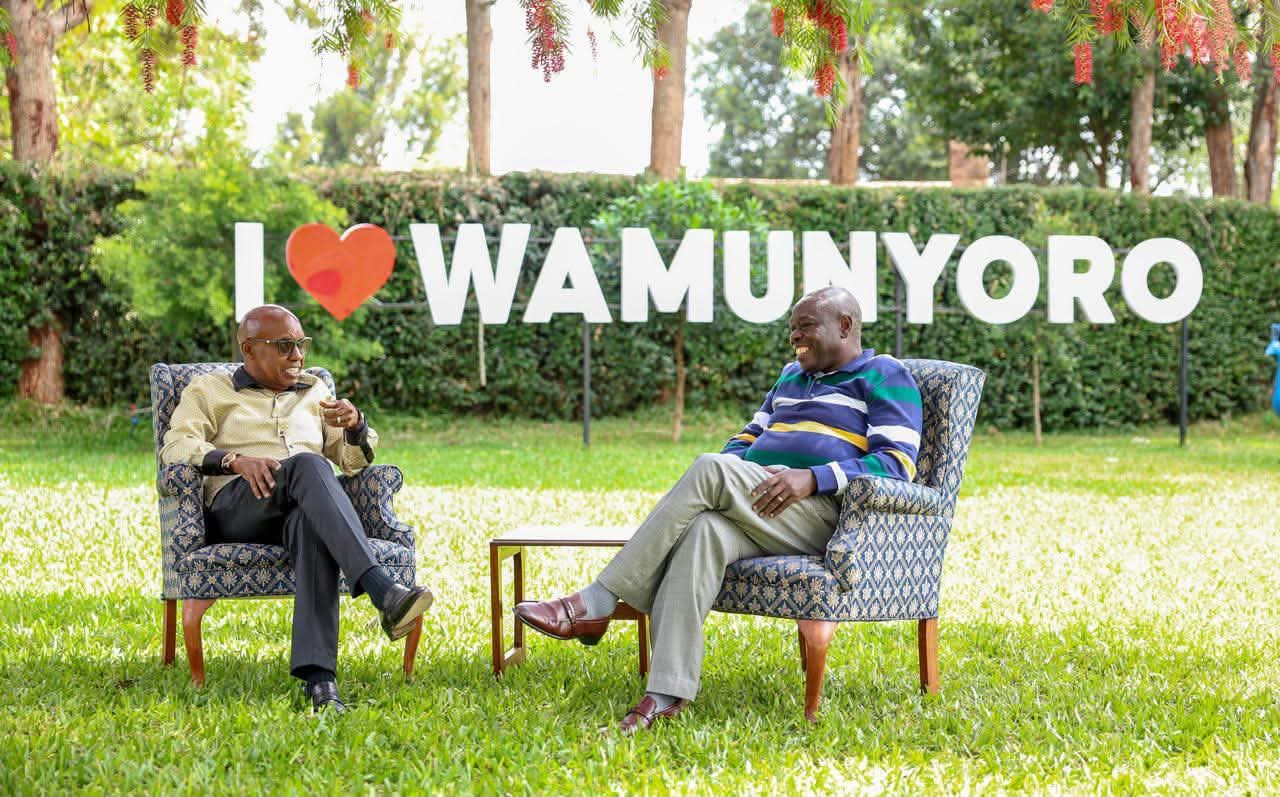
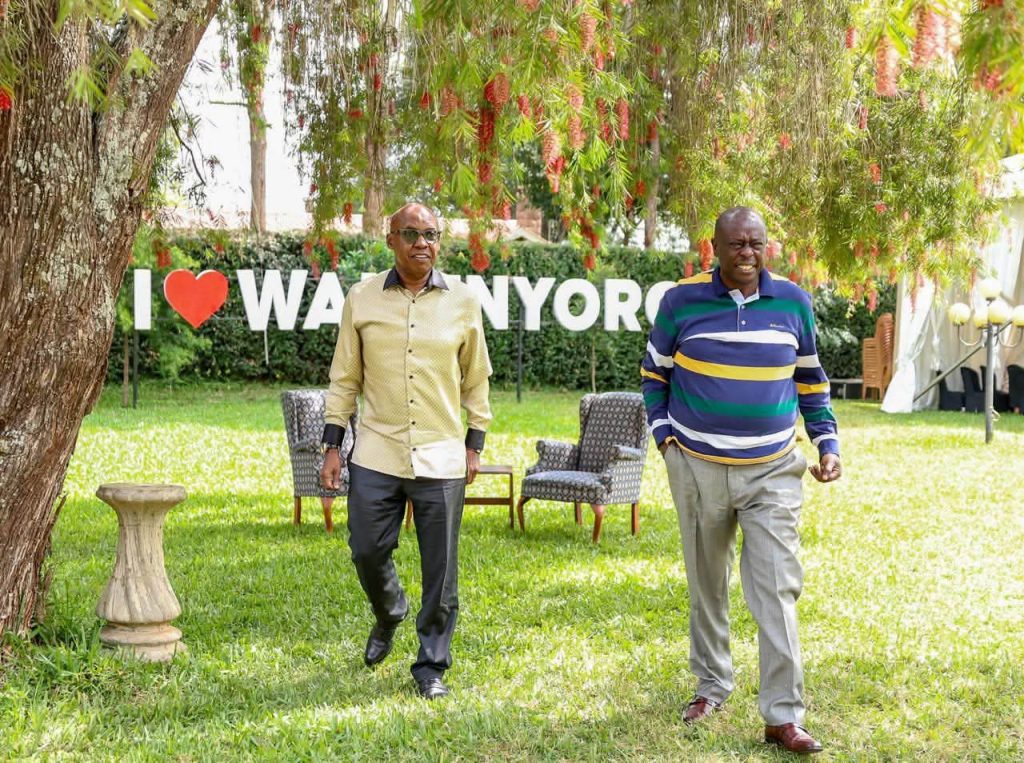
Former Deputy President Rigathi Gachagua with Safina Party leader Jimi at his Wamunyoro residence in Nyeri County.
Wamunyoro consultations widen as opposition leaders seek the coalition needed to challenge Ruto’s incumbency
By MKT Reporter
Former Deputy President Rigathi Gachagua hosted Safina Party leader Jimi Wanjigi at his Wamunyoro residence in Nyeri County this week, bringing together two men whose political value to any opposition coalition rests on strikingly different assets: one built his name mobilising the Mt Kenya vote that helped put William Ruto in State House, the other has spent two decades as one of Kenyan politics’ most consequential — and most controversial — financiers.
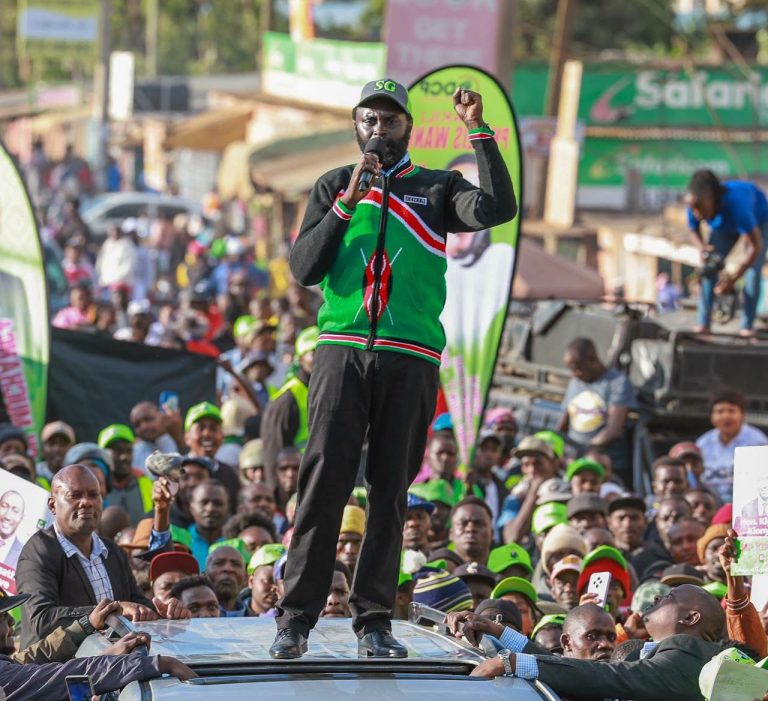
The meeting is the latest in a 45-day consultation programme Gachagua launched on 16 June, during which he has stepped back from public rallies to hold structured talks at his rural home under the banner of what he calls the “liberation cause” and the formation of a “6th Administration.” “Pleased to have held consultations with businessman Jimi Wanjigi who called on me at the Wamunyoro residence,” Gachagua said afterward. “I have greatly benefited from his insights and experience in formation of governments.”
Wanjigi, doubling as Safina’s presidential candidate, was similarly warm in response. “The liberation of Kenya demands that we all discuss ideas that put Kenya first,” he said. “Great catching up with my brother Rigathi in his Wamunyoro residence.” He added: “We must ensure Kenya becomes a sovereign state and economically liberated. It is good for kinsmen to gather. There is hope for Kenya.”
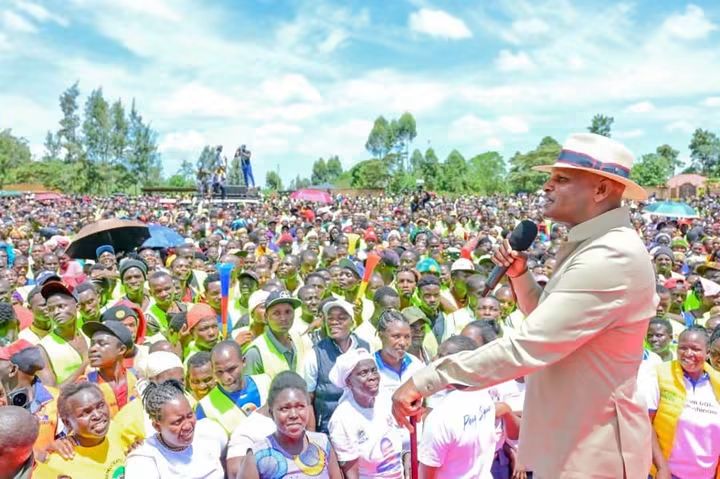
The pairing is notable precisely because of what each man brings — and the history behind it. Gachagua was Ruto’s running mate in 2022 and a central figure in mobilising the Mt Kenya bloc that carried Kenya Kwanza to victory, before his 2024 impeachment turned him into one of the administration’s fiercest critics. Since then, he has rebuilt a network of Mt Kenya legislators, county officials and grassroots structures that has proven difficult for Kenya Kwanza to dislodge, despite repeated efforts to court the region back.
Wanjigi’s capital is financial and strategic rather than electoral. Multiple accounts describe him as having helped bankroll Mwai Kibaki’s 2002 campaign, and he has said he led a group of businesspeople who financed the 2013 Jubilee coalition that carried Uhuru Kenyatta and Ruto to power — a campaign he later broke with. By 2017, he had shifted his support and strategic input to Raila Odinga’s presidential bid, a move that preceded a public falling-out with the Kenyatta government and a police raid on his Muthaiga home over alleged illegal firearms, charges that were later dropped by the courts.
That history shapes how this meeting is being read. Wanjigi has built a reputation — one he disputes in parts — as a financier who moves late but decisively, and whose backing has coincided with successive presidential campaigns before he fell out with each administration he helped install. He has also denied more serious allegations levelled against him in recent years, including government claims that he financed anti-government protests, calling the accusations a pattern of the state targeting him once he becomes politically inconvenient. His renewed engagement with the opposition, after Safina spent much of the past two years operating independently, is being read in Nairobi political circles as a sign that even Kenya’s most self-contained political operators feel pressure to build coalitions ahead of 2027.
Just how large that opposition task is depends on whose numbers one trusts. A recent Infotrak survey put President Ruto’s “broad-based” arrangement with the ODM wing led by Oburu Oginga at 32 percent support, against 22 percent for the Gachagua-led bloc — figures opposition strategists cite as evidence that unity, not fragmentation, will decide 2027. But Infotrak’s numbers are routinely disputed by politicians on both sides of the aisle. Kenya Kwanza figures, including Senate Majority Leader Aaron Cheruiyot and Murang’a Governor Irungu Kang’ata, have previously dismissed Infotrak findings as “erroneous” and methodologically flawed, arguing their own grassroots polling tells a different story — criticism that has surfaced even when Infotrak’s numbers favoured Ruto, suggesting the dispute is less about which side the pollster favours than about broader distrust of media-commissioned surveys in Kenyan politics. Infotrak’s leadership has defended its methodology as scientific and consistent with global standards. The upshot is that no publicly available polling should be read as settled fact this far from the vote — a caution that applies equally to numbers favouring the government and those favouring the opposition.
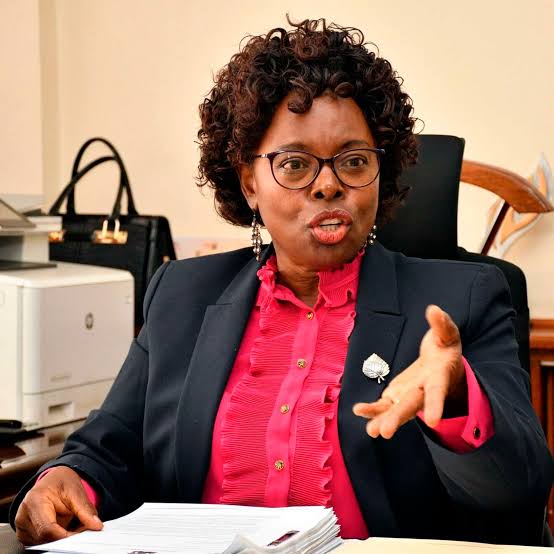
The wider opposition field, in any case, remains crowded. Wiper’s Kalonzo Musyoka, Jubilee’s Fred Matiang’i, DAP-K’s Eugene Wamalwa and People’s Liberation Party’s Martha Karua all carry regional bases and presidential ambitions of their own, and Musyoka has said the coalition intends to settle on a single flagbearer, though the mechanism for doing so remains unresolved. Gachagua has repeatedly signalled he is willing to step aside for the sake of unity — “I’m more than ready to forfeit my presidential bid if that is all it takes to have President Ruto out of power,” he told supporters earlier in the retreat — though whether that pledge survives an actual selection process, which has undone past opposition efforts, is untested.
There is also an unresolved legal cloud over Gachagua’s own candidacy. Article 75(3) of the constitution bars a state officer removed from office for constitutional violations from holding future public office unless cleared by the courts — a provision his impeachment may trigger, and which he disputes on the basis that his appeals are not exhausted.
The government has not stayed silent on the opposition’s manoeuvring. Deputy President Kithure Kindiki, who succeeded Gachagua, has urged Mt Kenya voters not to abandon Kenya Kwanza for opposition leadership he described as “clueless with no development agenda,” while Ruto has pursued his own consolidation strategy, absorbing Kenya Kwanza-affiliated parties directly into UDA.
For now, the Wamunyoro meeting confirms direction rather than destination. The man who helped mobilise Ruto’s 2022 win and the man who has helped finance and later broken with three separate administrations are, for the moment, talking. Whether that conversation hardens into something durable, or joins a long list of opposition alliances undone by the question of who ultimately leads them, will be settled far from any single meeting — at the ballot box, in 2027.
Similar Posts by The Mt Kenya Times:
- Mt Kenya Times ePAPER October 12, 2026
- Gachagua’s party storms Kikuyu from afar as 2027 countdown begins
- Counties caught: The KSh100B payroll scandal Kenya can no longer hide
- CS Ogamba: tree planting could generate carbon credit millions to fund education
- Farouk Kibet calls for unity and development as leaders rally behind Ruto’s 2027 re-election bid
About the Author