
By: Fidence Cherotich
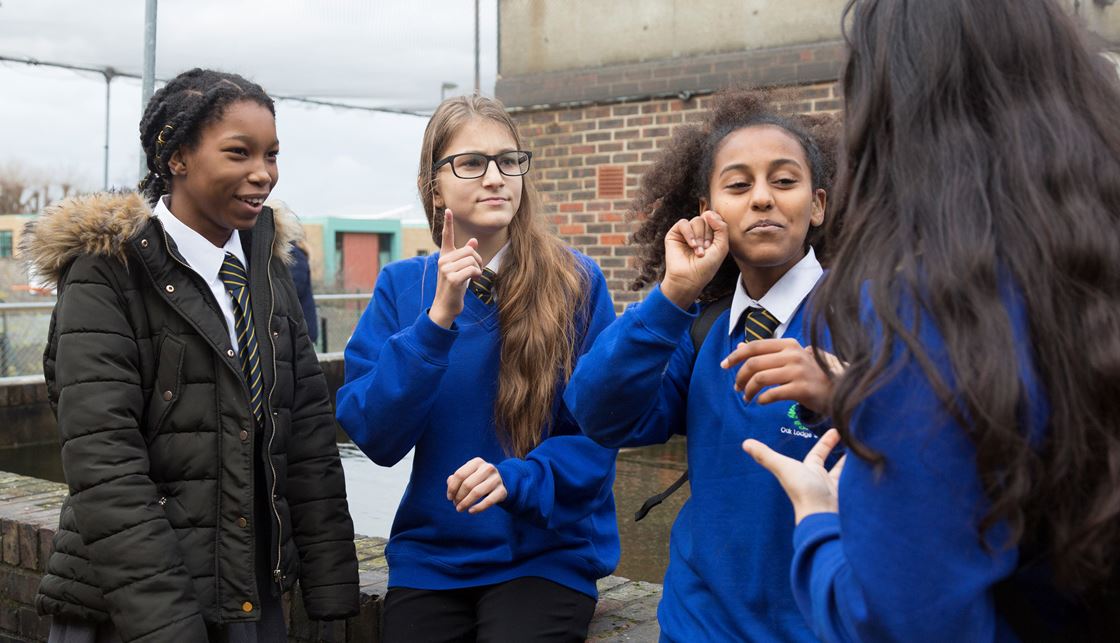
Government support is essential for the effective operation of special schools for the deaf in Kenya, which face unique challenges that are often overlooked—particularly in terms of funding. Increased government involvement is needed to ensure that these schools can provide a quality education for children with hearing impairments.
Special schools, especially those dedicated to the deaf, require more resources than regular schools, highlighting the need for greater financial support. Many parents of children with disabilities struggle to afford school fees, which limits access to education for their children. Government funding would help alleviate this burden, ensuring that all children, regardless of family income, have the opportunity to receive a proper education. Such support could also encourage enrollment for children currently out of school, fostering a sense of inclusion. Beyond financial aid, investment in infrastructure is crucial, as many students in these schools consider them their home. Well-built classrooms, dormitories, and other facilities are essential to create a safe and nurturing environment.
One pressing issue these schools face is a shortage of qualified teachers proficient in Kenyan Sign Language (KSL). As sign language is the primary mode of communication for deaf students, the government must prioritize hiring and training more KSL-proficient teachers to support effective learning. Regular inspections and government visits would also help identify and address ongoing challenges, enabling these schools to function more efficiently and making students feel valued and supported.
Despite numerous obstacles, special schools for the deaf in Kenya have consistently demonstrated that disability does not limit potential. These schools have produced professionals in fields such as law, medicine, engineering, and education, and have excelled in extracurricular activities. With adequate resources, they can continue to nurture students who achieve great success, proving that every child has potential.
A lack of transportation is another challenge, as many special schools for the deaf do not have buses or vans, making it difficult for students to participate in activities outside the school. During emergencies, the absence of school-owned vehicles can also endanger students by delaying response times. Government-provided transportation would enhance student safety and allow for more efficient participation in outside events.
Additionally, reliable power supply is critical. Power outages, especially during rainy seasons, severely disrupt communication within schools for the deaf. Deaf students depend on visual communication, and without light, they struggle to read signs or follow instructions, which is particularly hazardous in emergencies. Investing in backup power solutions, like generators or solar panels, would ensure continuous communication, maintaining both safety and learning.
In conclusion, government action to support special schools for the deaf is vital. By increasing funding, hiring qualified teachers, providing transportation, and ensuring reliable power supply, the government can create a better learning environment where deaf students can flourish. Supporting these schools is not only about meeting educational needs but also about acknowledging the value and potential of every child, regardless of ability.
Fidence Cherotich, Rongo University.
Similar Posts by The Mt Kenya Times:
- Mt Kenya Times ePAPER October 26, 2026
- Sakaja challenges Kamukunji police over Eastleigh suspect bail
- Muturi demands binding livestreaming rules for 2027 polls to prevent repeat of 2022 chaos
- NTSA calls for road safety to be declared a national disaster after 24 die in Mtito Andei crash
- Ruku turns on Waiguru over deputy president ambitions: ‘That seat is not being contested for’
About the Author