Grade 11 textbooks head to schools as CBC transition gathers pace
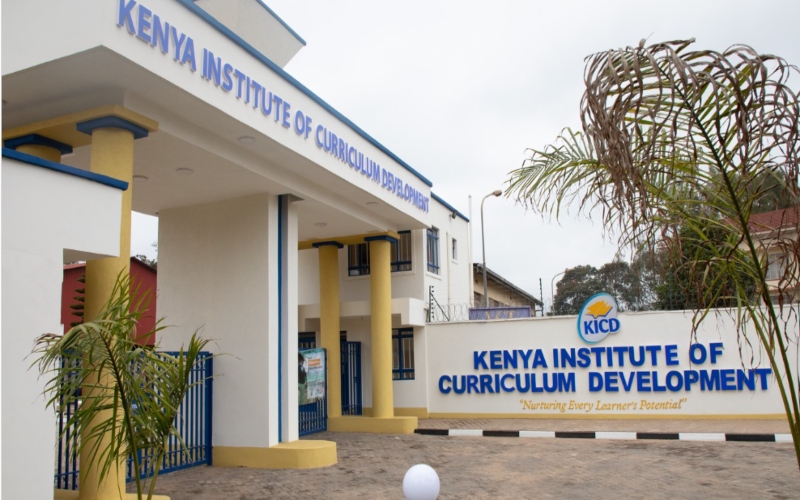
The Kenya Institute of Curriculum Development
Kenya’s curriculum body races to deliver approved learning materials before January’s senior school intake
By Grace Wanja
The Kenya Institute of Curriculum Development began dispatching Grade 11 textbooks and literary works to schools across the country on Tuesday, launching a distribution exercise designed to ready institutions for the first cohort of Competency-Based Education learners advancing to the next level of Senior School in January 2027.
The distribution, which covers both regular and Special Needs Education schools, is scheduled to run until 23 October before pausing for the national examinations period and resuming on weekdays through to 23 December. The extended timeline is deliberate — KICD wants schools to have sufficient time to receive, sort and organise materials well before learners report for Grade 11 at the start of the new academic year.
The exercise marks a significant logistical milestone in Kenya’s shift away from the 8-4-4 system. The learners entering Grade 11 in January will be the same pioneer cohort that moved into Grade 10 this year, bringing the country another step closer to completing one of the most ambitious education reforms in its history. Under the new Senior School structure, learners pursue pathways and subject combinations aligned to their abilities, interests and long-term ambitions — a departure from the rigid, examination-driven model that defined Kenyan schooling for four decades.
Education Cabinet Secretary Julius Ogamba said the availability of approved learning materials was central to making that promise a classroom reality. “The evaluation and approval process is an important quality-assurance mechanism,” Ogamba said. “It provides confidence to learners, teachers, parents and the education sector that materials approved for use in our schools are aligned to the curriculum and suitable for supporting teaching and learning.” He urged schools and parents to rely exclusively on the KICD Orange Book when selecting Grade 11 learning materials, warning against the temptation to purchase cheaper or more widely marketed books that have not cleared the institute’s approval process.
That warning carries legal weight. KICD has reminded schools, teachers and parents that using unapproved textbooks constitutes a violation of Section 27 of the KICD Act, 2013, and could attract sanctions. The institute has been particularly pointed in its message to teachers, who are often the first point of guidance for parents navigating the increasingly crowded textbook market. “Teachers should ensure the books they advise parents to buy for their children are approved by KICD to uphold high standards in curriculum delivery,” the institute said in a statement accompanying the distribution launch.
The approved list of Grade 11 textbooks and literary texts has been published in the Orange Book on the KICD website, alongside curriculum designs for the grade. Schools that have not received their allocations by mid-January, or that receive quantities exceeding their enrolment figures, have been directed to contact the institute through booksdistribution@kicd.ac.ke or 0733762412.
Basic Education Principal Secretary John Ololtuaa said teachers would be expected to use the approved books not as standalone resources but in combination with curriculum designs and other appropriate materials to support learner-centred, inquiry-based and competency-oriented approaches. “We therefore expect teachers to use these approved resources alongside the curriculum designs and other appropriate teaching and learning materials to facilitate learner-centred, inquiry-based and competency-oriented learning,” Ololtuaa said. The State Department for Basic Education, he added, would work alongside KICD and other education agencies to monitor implementation and respond to challenges as they arise.
KICD chief executive officer Charles Ong’ondo said the books cleared for distribution had undergone a rigorous multi-stage evaluation before being approved. Assessors examined curriculum alignment, content accuracy, relevance and inclusivity, suitability of teaching approaches, and the extent to which materials could help learners develop the knowledge, skills, values and competencies the new system demands. The process brought together curriculum specialists, classroom teachers, quality assurance officers, subject experts and professionals from state corporations and industry — a deliberate attempt to ensure the approved materials reflect both academic standards and real-world relevance.
Ong’ondo said the approval process would not end with publication. KICD intends to continue gathering feedback from teachers, learners and other stakeholders throughout the year. “This is intended to ensure that materials recommended for use in our schools meet the required standards and respond appropriately to the needs of learners,” he said.
KICD Council chairman Simon Gicharu, who said the Council and its academic panels had provided professional and governance oversight throughout the development and approval process, was equally firm on the question of procurement. Schools, he said, must restrict their purchasing to materials on the approved list. The Council, he added, would continue providing strategic oversight to ensure KICD fulfils its statutory mandate while keeping curriculum implementation responsive to the needs of learners and the country.
For many Kenyan families, the Grade 11 transition will be the moment the CBC system becomes fully tangible — not a policy document or a ministerial announcement, but a set of books on a child’s desk and a timetable built around their individual pathway. Whether the distribution exercise reaches every school on time, and whether those schools are equipped to use the materials effectively, will be an early and visible test of the government’s readiness to deliver on the reform’s considerable promise.
The books are on their way. The harder work begins in January.
Similar Posts by The Mt Kenya Times:
- Ruto signs KSh389B electric vehicle deal at State House
- Kenya mobilises KSh70B to fight Ebola as US and World Bank step in
- High Court freezes law school admissions over disputed entry rules
- KEMSA takes customer service week to the community
- Wildlife conflict payouts go digital
About the Author