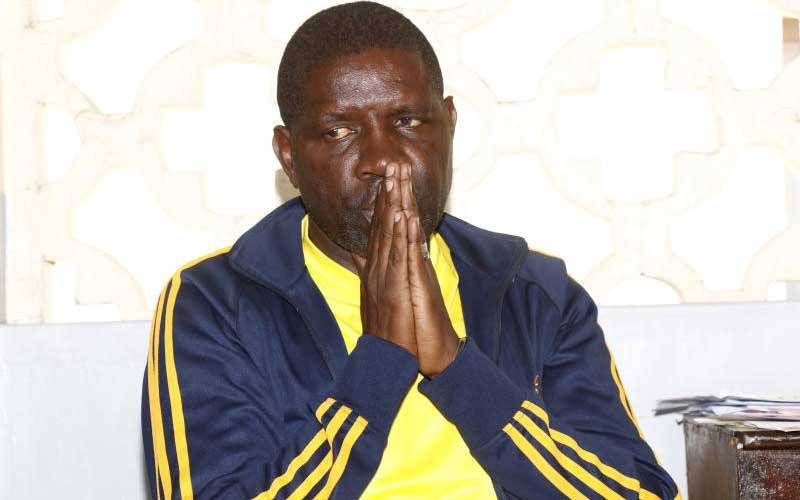
Nakuru Town East MP David Gikaria
The ruling reaffirms the electoral commission’s power to sanction sitting MPs — and sends a sharp warning ahead of the 2027 campaign season
By David Kimani
The High Court yesterday dismissed Nakuru Town East MP David Gikaria’s challenge against sanctions imposed by the Independent Electoral and Boundaries Commission, clearing the way for enforcement of a KSh2.5 million fine and a public apology over Electoral Code of Conduct violations during the Ol Kalou parliamentary by-election campaign in July.
Justice William Musyoka dismissed Gikaria’s judicial review application, finding that the MP had not met the threshold for the orders he sought. The court made no order as to costs. The ruling simultaneously discharged temporary orders issued on 15 July that had suspended implementation of the IEBC Electoral Code of Conduct Enforcement Committee’s 14 July determination, meaning the full weight of the committee’s sanctions is now immediately enforceable.
The case originated in complaints over remarks Gikaria made while campaigning ahead of the 16 July Ol Kalou by-election. The IEBC committee found that his statements concerning cash handouts and the collection of national identity card details from voters amounted to conduct prohibited under the Electoral Code — specifically, statements implying financial inducement and the potential misleading of voters about voting requirements. Gikaria had argued that the collection of ID details was administrative, used only to account for beneficiaries. “During voting, is it your ID that is used? No. People vote using their fingerprints,” he said in his defence. The committee was not persuaded. It imposed the KSh2.5 million fine, ordered a public apology and retraction, issued a formal warning, and referred evidence to the Office of the Director of Public Prosecutions for investigation of possible election offences.
Gikaria took the matter to the High Court, arguing that the IEBC proceedings violated his constitutional rights to fair administrative action and a fair hearing. He contended that the committee had proceeded with the 14 July hearing while he was hospitalised, and that he had been given insufficient time to respond to a cyber investigation report relied upon by the committee. Justice Musyoka had on 15 July certified the application as urgent and temporarily stayed implementation pending the full hearing. The IEBC committee, for its part, had rejected an earlier adjournment request, citing inadequate medical documentation and the statutory timelines that govern electoral proceedings — noting that Gikaria was represented by advocates throughout.
In dismissing the challenge, the court affirmed the legal framework under which the IEBC Enforcement Committee operates, including its powers to summon persons, hear complaints, and impose sanctions ranging from financial penalties and formal warnings to campaigning restrictions and disqualification. The judgment underscored the distinction between the enforcement process and criminal proceedings, and stressed the seriousness of voter bribery and voter suppression in a constitutional democracy.
Following the ruling, the IEBC called on Gikaria to comply with the 14 July determination within stipulated timelines. The commission said the judgment reaffirmed its mandate to enforce the Electoral Code and protect the integrity of Kenya’s elections.
The timing carries significance beyond one MP’s legal battle. With the August 2027 general election now eleven months away and campaigns quietly intensifying across the country, the ruling serves as a pointed reminder to politicians of every stripe that the electoral commission has both the authority and, now, fresh judicial backing to act against code violations — before, during, and after the campaign season that is already, in everything but name, well underway.
Similar Posts by The Mt Kenya Times:
- Mt Kenya Times ePAPER October 9, 2026
- Ruto claims farming revolution as election season dawns
- China grants Kenya $2M for drought and Ebola response
- Kenya’s opposition fractures with 11 months to the ballot
- Harambee Starlets thrash Seychelles 11-0 to take commanding grip on Olympic qualifier
About the Author