
How Africa’s Food System Can Overcome The Threat Of Climate Change
 The Mt Kenya Times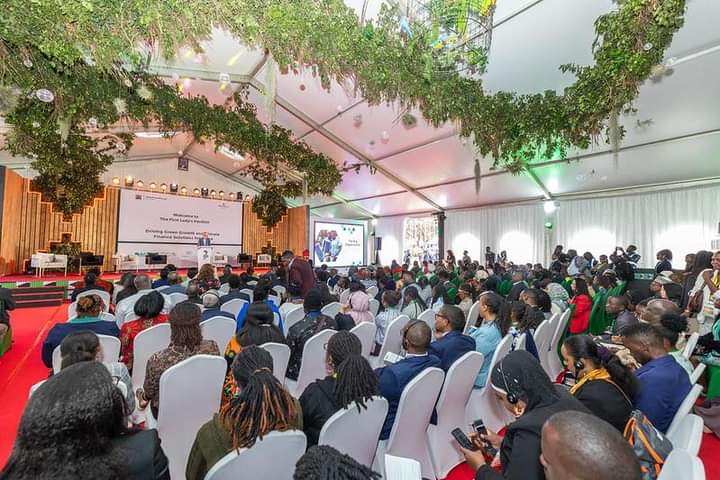
By Jackson Okata
Worth Noting:
- “We need to bank on climate resilience to feed Africa and assure food security and sovereignty in the next five years,” said Adesina.
- President William Ruto cited climate-smart agriculture, and nature conservation as critical areas where extensive investments are required saying the continent must act and move with speed to invest in such sectors which he says will help Africa subdue the threatening effects of the climate crisis on its food systems.
- Ruto wants African nations to leverage on their agricultural land assets to enhance the continent’s food security and monetize agricultural systems.
- Climate change expert Jackson Koimburi, a delegate at the Summit, says that Africa will not become food secure by replacing forests with food crops.
By Jackson Okata
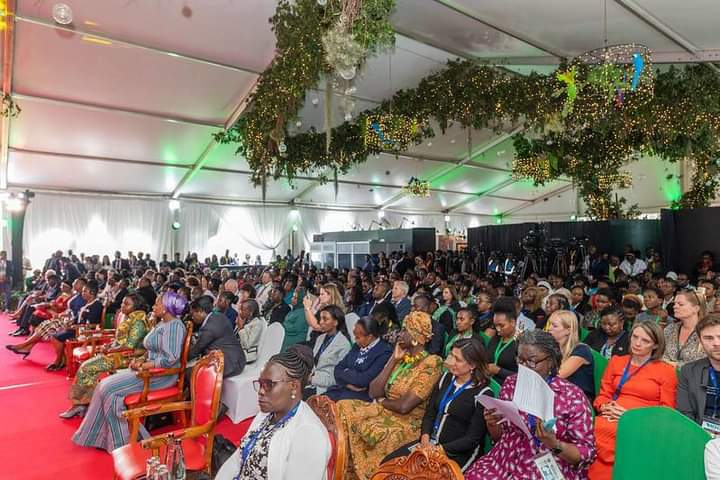
As the African Climate Summit entered its second day, calls for Africa attaining her food security and sovereignty featured predominantly in discussions with leaders vouching for climate adaptation investments to unlock the continent’s full food production potential.
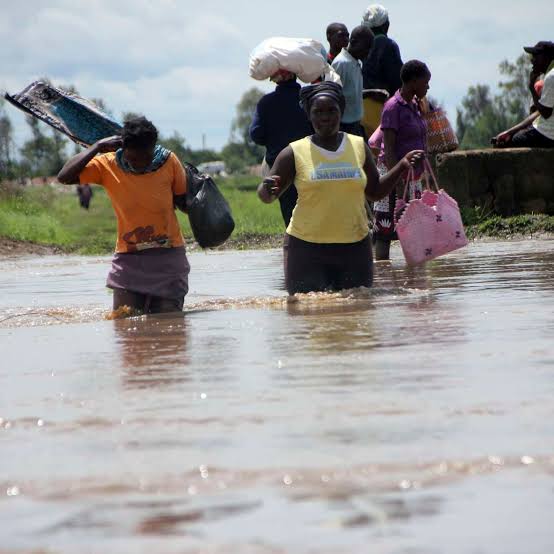
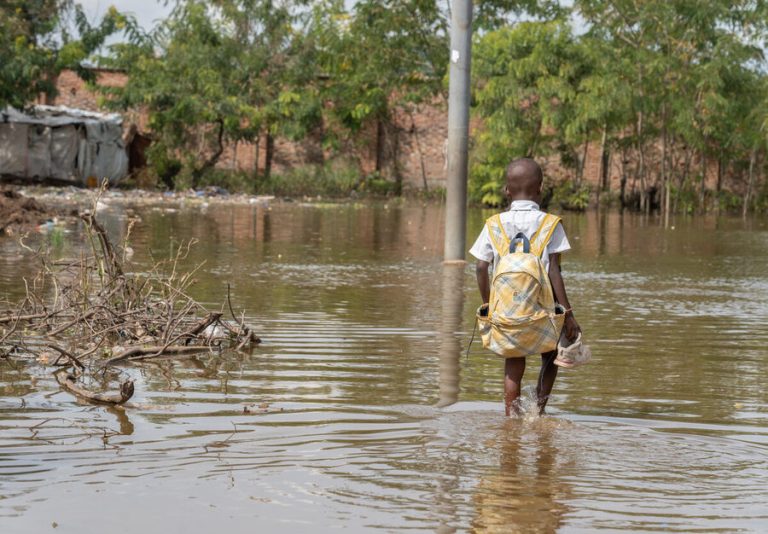
African Development Bank President Akinwumi Adesina called for the galvanizing of African based solutions towards climate change and its effects to the continent’s food systems warning that the crisis is putting the future of the continent at risk. He cited increased droughts and floods across Africa, destruction of crops and massive death of livestock, things he said called for urgent action from African leaders.
According to Adesina, African leaders must enhance climate adaptation programmes as they strive to have a resilient food system for the continent citing adaptation of climate resilience agriculture techniques as a sure way of securing the continent’s food systems which are threatened.
“We need to bank on climate resilience to feed Africa and assure food security and sovereignty in the next five years,” said Adesina.
President William Ruto cited climate-smart agriculture, and nature conservation as critical areas where extensive investments are required saying the continent must act and move with speed to invest in such sectors which he says will help Africa subdue the threatening effects of the climate crisis on its food systems.
Ruto wants African nations to leverage on their agricultural land assets to enhance the continent’s food security and monetize agricultural systems.
Climate change expert Jackson Koimburi, a delegate at the Summit, says that Africa will not become food secure by replacing forests with food crops.
“We cannot become food secure by destroying the same environment that is supposed to make us food secure. Africa needs to shift investments in agro-ecological systems if we are to increase food production substantially and sustainably. A combination of both social, biological and agricultural sciences coupled with indigenous farming techniques is what Africa needs,’’ he said.
He added “If we are talking about food security and sovereignty, then we must include techniques that work like agroecology in the conversation and put the small holder farmer at the core of it.”
Koimburi raised concerns over what he termed as underrepresentation of farmers at the summit.
“If we are serious about getting the conversation going, then we should have a room full of farmers from across Africa at this summit. We risk missing it when the farmer is left out’’ he lamented.
Kenya Farmers Association treasurer Rose Kemboi on her part observed that it was time African small holder farmers be allowed and supported to manage their farms and farming systems through whatever ways that can enhance food production while at the same time protecting biodiversity.
“Food production revolves around the farmer and fort his reason the farmer must be part of decision making including choosing what works best for them. When the farmer is empowered to manage their farms rightly and in ways that work best for them then we can be assured of a sustainable, secure and environment friendly food system that takes in interests of my crops, animals and myself,” Kemboi said.
Data from the World Bank shows that at least one in five Africans goes to bed hungry and an estimated 140 million people in Africa face acute food insecurity.
Further Kemboi, wants African governments to invest in what she describes as the revival of Africa’s farms by allowing small holder farmers to use convenient and flexible farming methods that do not harm them both economically and environment wise.
“What farmers need is a sustainable system that supports the protection and conservation of soil and not chemicals that give us more yields but end up destroying our soils ecosystem,”Kemboi opined.
Similar Posts by The Mt Kenya Times:
- Mt Kenya Times ePAPER September 24, 2026
- The kingmaker’s last move: Uhuru’s 2027 gambit
- Kalonzo warns IEBC over 2027 poll
- Kenya leads Africa’s clean cooking push with $600M investment drive
- Kenya takes its case to the world: Ruto at the UN
About the Author

 Brenda Holo