Immunization Crisis Looms as Kenya Struggles to Meet GAVI Funding Commitment

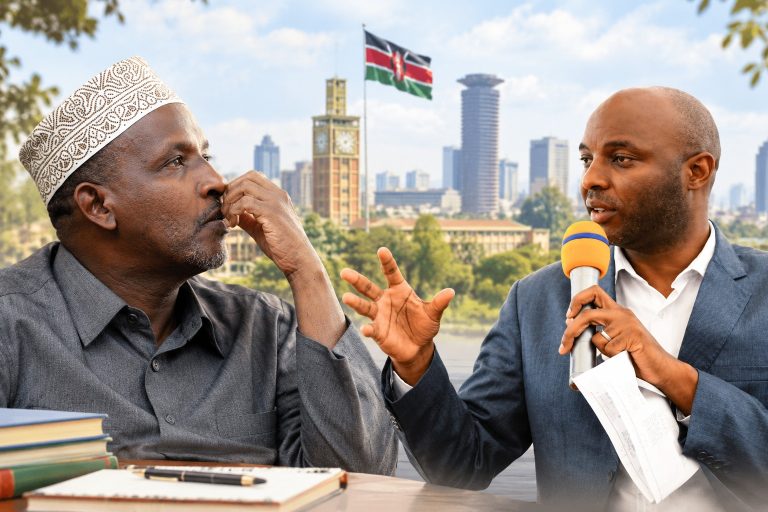
In picture, the Kenya Women Parliamentary Association (KEWOPA) and representatives from Health NGOs Network (HENNET) during a press briefing discussing the sustainability of immunization financing in Kenya, in Nairobi.
By Aoma Keziah,
The Kenya Women Parliamentary Association (KEWOPA) convened a crucial meeting with the Health NGOs Network (HENNET) to discuss the sustainability of immunization financing in Kenya. The engagement aimed to raise awareness about the country’s vaccine and immunization financing situation, emphasizing the urgent need for meeting co-financing obligations and advocating for increased domestic allocations to sustain immunization efforts.
In their statement, they raised concerns over the persistent delay in meeting Kenya’s co-financing obligations under the Global Alliance for Vaccines and Immunization (GAVI) agreement, calling on the Ministry of Health and the National Treasury to take immediate action.
“The total co-financing requirement for the fiscal year 2024/2025 stands at USD $12,485,880. Alarmingly, no payment has been made to date. With the June 30, 2025, deadline fast approaching, we face a serious threat of vaccine stockouts that would directly impact the health of millions of children across the country. We issue an urgent call to the Ministry of Health and the National Treasury to take immediate action to fulfill this obligation. Failure to meet this deadline will undermine Kenya’s Expanded Programme on Immunization and endanger the progress we have made,” stated Irene Mayaka, Nyamira nominated MP and member of KEWOPA.
They further urged the Ministry of Health to provide to the National Assembly with information on the country’s vaccine stock status for routine immunization.
“This status report should be presented immediately, with clear indications of stock levels at the central stores as well as at county and facility level, with projected vaccine needs mapped against the projected stocks procurements. This is aimed at avoiding potential stock outs. We further seek the National Treasury to present to the National Assembly the status of Kenya’s GAVI co-financing obligations and payment schedules,” she added
Additionally, they urged the government to fully fund the immunization budget for the upcoming 2025/26 budget cycle.
“With the GAVI Transition plan for Kenya targeting 2029, we seek to see the proposed transitional plan with clear commitments from the Kenyan government to ensure that we will not have vaccination gaps as we progress towards self-financing,” mayaka continued to say
HENNET Executive Director Margaret Lubaale, highlighted the urgency of securing financial commitments to protect the gains made in immunization coverage over the years.
“We call upon the government to prioritize immunization financing in the national budget, the that delays in meeting GAVI co-financing requirements could lead to vaccine shortages, increased disease outbreaks, and setbacks in child health progress,” she remarked.
The meeting provided a platform for key policymakers, civil society organizations, and health advocates to deliberate on strategies to address the financial shortfall. The country is yet to fulfill its financial commitment of USD $12,485,880, posing a significant risk of vaccine stockouts and endangering the health of millions of children who rely on immunization to prevent life-threatening diseases.
As Kenya continues to navigate its immunization financing challenges, the commitment from legislators and health advocates remains vital in ensuring that no child is left unprotected due to financial constraints.
Similar Posts by Aoma Keziah:
- Nationwide Youth Business Drive Enters Last Lap With New Nyota Trainings
- Green Light From Washington Sets G42 On Fast Track to Build Region’s Most Powerful AI Network
- Safina Eyes Kariobangi North Seat in Intensified Push Before Poll Day
- KEBS Opens Talks With Manufacturers On New Standards Levy Order 2025
- Kenya, Uganda And South Sudan Chart Way Forward On East Africa Rail Corridor
About the Author

 The Mt Kenya Times