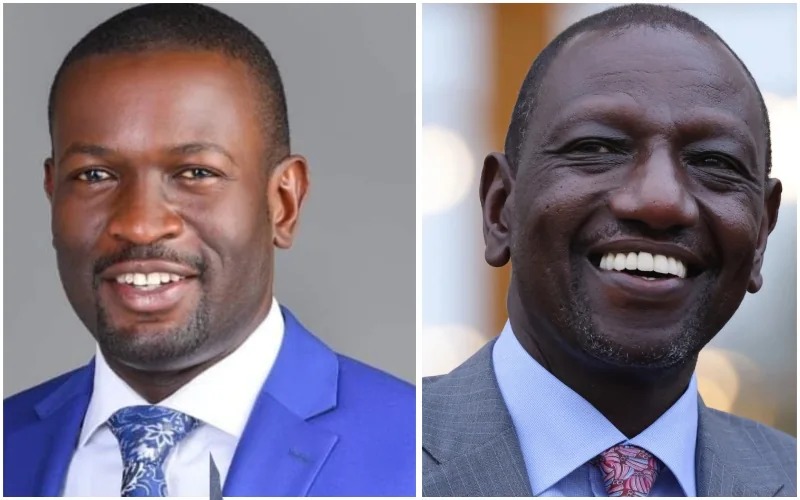

Kalonzo Musyoka’s declaration of willingness to step aside for a single candidate has reignited debate about whether the opposition can overcome its historic divisions before 2027.
By Collins Kibet
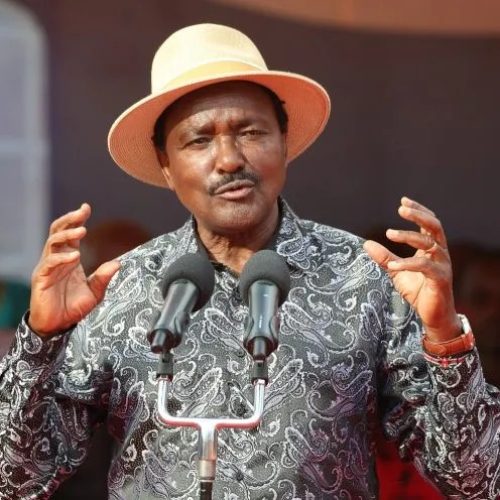
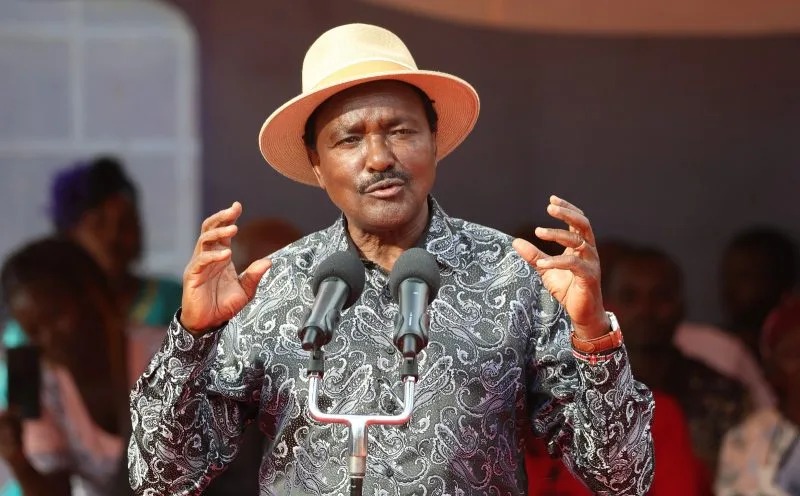
Wiper Party leader Kalonzo Musyoka on Saturday threw his weight behind a united opposition presidential campaign for 2027, declaring his willingness to forgo his own presidential ambitions in support of a single candidate — a move that has significantly raised the temperature of Kenya’s pre-election political realignment.
The declaration came at the burial of Mama Eunice Nyangari Gachagua, elder sister of former Deputy President Rigathi Gachagua, held in Kieni Constituency, Nyeri County. The occasion drew a notable gathering of opposition figures, including Gachagua himself, ODM’s Edwin Sifuna, Eugene Wamalwa, Siaya Governor James Orengo and former Chief Justice David Maraga. Rather than confining themselves to condolences, the leaders used the platform to reaffirm their commitment to building a united political front capable of mounting a credible challenge to President William Ruto’s Kenya Kwanza administration in 2027.
Kalonzo’s position carries particular weight because his political record shows he has made this sacrifice before. He pointed to his earlier decisions to stand behind the late Raila Odinga in successive presidential contests as evidence of his willingness to put collective opposition strength above personal ambition. His statement was also a direct rebuttal of speculation that he might abandon the opposition and cross to Ruto’s side if the presidential ticket proves elusive. For Kalonzo, the message is clear — unity first, personal ambition second. Whether the other presidential hopefuls in the room share that discipline is a question the coming months will answer.
Gachagua remains a central figure in the emerging arrangement. His influence across the Mount Kenya region could prove decisive in determining whether any opposition coalition can achieve the national breadth required to seriously contest the presidency. His presence alongside Kalonzo and the other leaders signals an attempt to stitch together a broader alliance that cuts across traditional party boundaries — one that draws on regional networks, grassroots mobilisation and the political capital accumulated during his time as Deputy President.
The fundamental challenge, however, remains unchanged. Kenya’s opposition has a well-documented history of arriving at unity in principle and fracturing when it matters most. The coalition must demonstrate that its declared solidarity is grounded in shared national purpose rather than the temporary convenience of a shared political enemy.