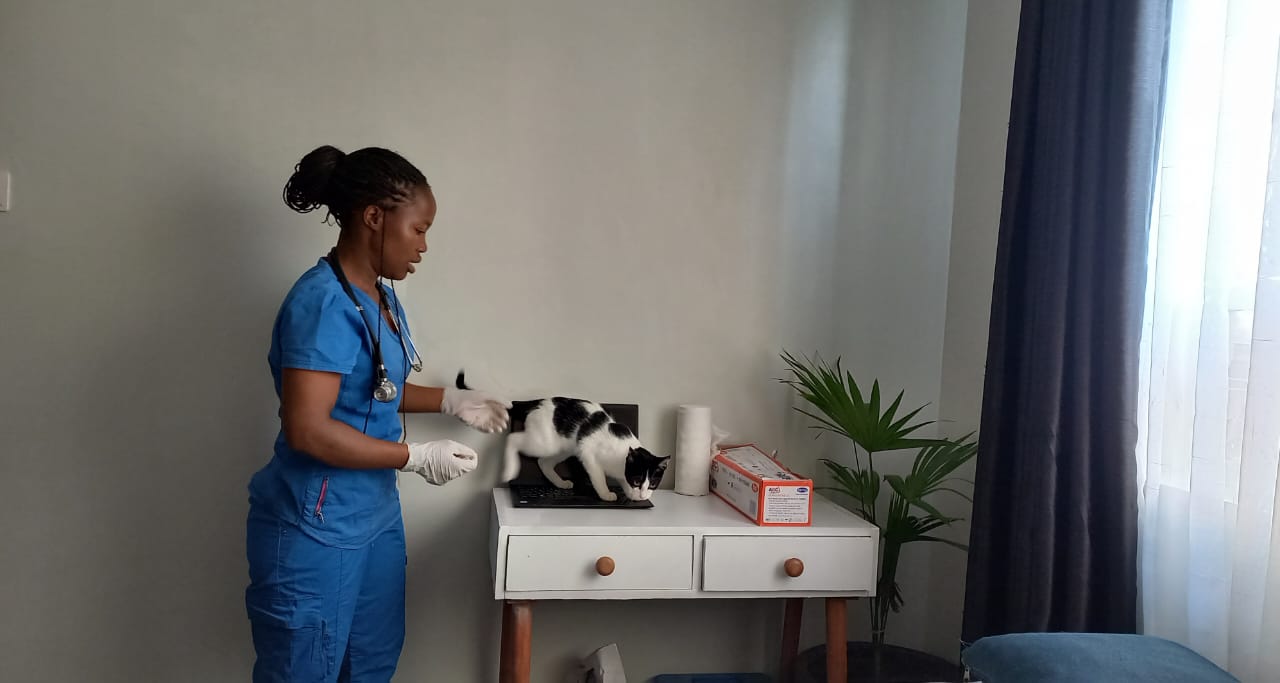
Dr. Linnet Okinyi
From arthritis to aggression, veterinarian Dr. Linnet Okinyi breaks down the most common challenges facing pets — and how to handle them
By Stephen Ochieng
For most pet owners, their animals are not merely companions — they are family. The bond between a person and a well-loved dog or cat runs deep, which is why pet health is a matter that deserves serious attention, not just occasional visits to the vet when something goes wrong. Dr. Linnet Okinyi, a veterinarian and the chief executive of Sulwe Vet Organisation, has built her career on exactly that philosophy. Her clinic focuses on diagnosing and treating common pet diseases, managing behavioural challenges and helping owners understand what their animals genuinely need to thrive.
“Pet health is not something you attend to only in a crisis,” Okinyi explains. “It is a daily commitment — to observation, to understanding, and to early intervention.” That outlook shapes everything her organisation does, and it is the right place for any pet owner to start.
Arthritis is one of the conditions Okinyi sees most frequently, particularly in older dogs. As joints deteriorate with age, pets experience pain and stiffness that makes movement increasingly difficult. An arthritic dog may be slower to rise in the morning, reluctant to climb stairs or visibly uncomfortable after exercise. The condition is manageable through a combination of pain relief medication, controlled weight loss to reduce pressure on affected joints and appropriate joint supplements. Owners who notice these signs should consult a veterinarian promptly, because early intervention makes a significant difference to the animal’s quality of life.
Dental disease is another condition that receives far less attention than it deserves. Bad breath in a pet is not simply unpleasant — it is frequently a warning sign of gum disease, tooth decay or infection. Left untreated, dental problems can cause serious pain and tooth loss, and the bacteria involved can affect other organ systems. The solution is straightforward: regular professional dental cleanings, daily tooth brushing where possible, and the use of dental chews that help reduce plaque buildup. It is one of those areas where consistent prevention is far easier than the treatment it avoids.
Skin allergies are particularly common in both dogs and cats. They cause persistent itching, scratching and hair loss, and they are often frustrating to resolve because identifying the specific trigger requires patience and sometimes specialist investigation. Allergens can range from certain foods and grasses to dust mites and grooming products. Treatment typically involves identifying and eliminating the allergen where possible, applying topical creams to reduce inflammation and, where necessary, prescribing antihistamines. Okinyi stresses that untreated skin allergies cause real suffering, and owners who notice their pets scratching persistently should not wait to seek advice.
Ear infections are equally worth watching for. They manifest as ear pain, frequent scratching at the ears and visible discharge, and they can become seriously uncomfortable if left unaddressed. Treatment involves thorough ear cleaning, application of prescribed ear drops and antibiotics in more severe or persistent cases. Regular ear checks as part of a pet’s routine care can catch infections early, before they become entrenched.
Beyond physical health, Okinyi places considerable emphasis on managing pet behaviour — particularly aggression, which she regards as one of the most misunderstood challenges facing pet owners. Aggression in pets is rarely simple bad temper. It is most commonly a response to an underlying cause: pain, fear, territorial instinct or a past experience the animal has not recovered from. An aggressive pet is often a distressed one, and treating the behaviour without understanding the root cause rarely works.
The first step, Okinyi advises, is always a veterinary consultation to rule out any medical condition that may be driving the behaviour. Pain in particular is a frequent and overlooked trigger. Once medical causes are excluded or addressed, behavioural modification becomes the focus — and this is where patience, consistency and professional guidance matter most. Certified animal behaviourists and experienced trainers can develop customised plans that address the specific triggers affecting a particular pet, replacing aggressive responses with calmer, more manageable ones over time.
The environment in which a pet lives also plays a larger role in behaviour than many owners appreciate. Animals need quiet spaces to retreat to, reduced exposure to startling noises and a sense of security within their surroundings. Rewarding calm, obedient behaviour through treats, praise and affection reinforces what owners want to see more of. Positive reinforcement, applied consistently, is one of the most effective tools available — and it strengthens rather than strains the bond between owner and animal.
What emerges from Okinyi’s approach is a picture of pet ownership as an active and informed responsibility. Understanding the diseases most likely to affect your animal, recognising the early signs, seeking help without delay and creating a stable, nurturing environment are not extras — they are the foundation. A healthy, well-cared-for pet is a happier companion, and the effort invested in that care is returned many times over.
Stephen Ochieng, is a communication and Public Relations Student, Rongo University
Similar Posts by The Mt Kenya Times:
- Kroos eyes the dugout as new career plans take shape
- Sancho searches for a way back
- Kenya’s anti-corruption war is losing ground where it matters most: Fund the citizens who can protect public money
- When justice fails: Men who faced unjust trials but won history
- Kalonzo takes Kenya’s economic pitch to Westminster
About the Author