Kenya Bolsters Polio and Measles Surveillance with Cutting-Edge KEMRI Laboratory
 The Mt Kenya Times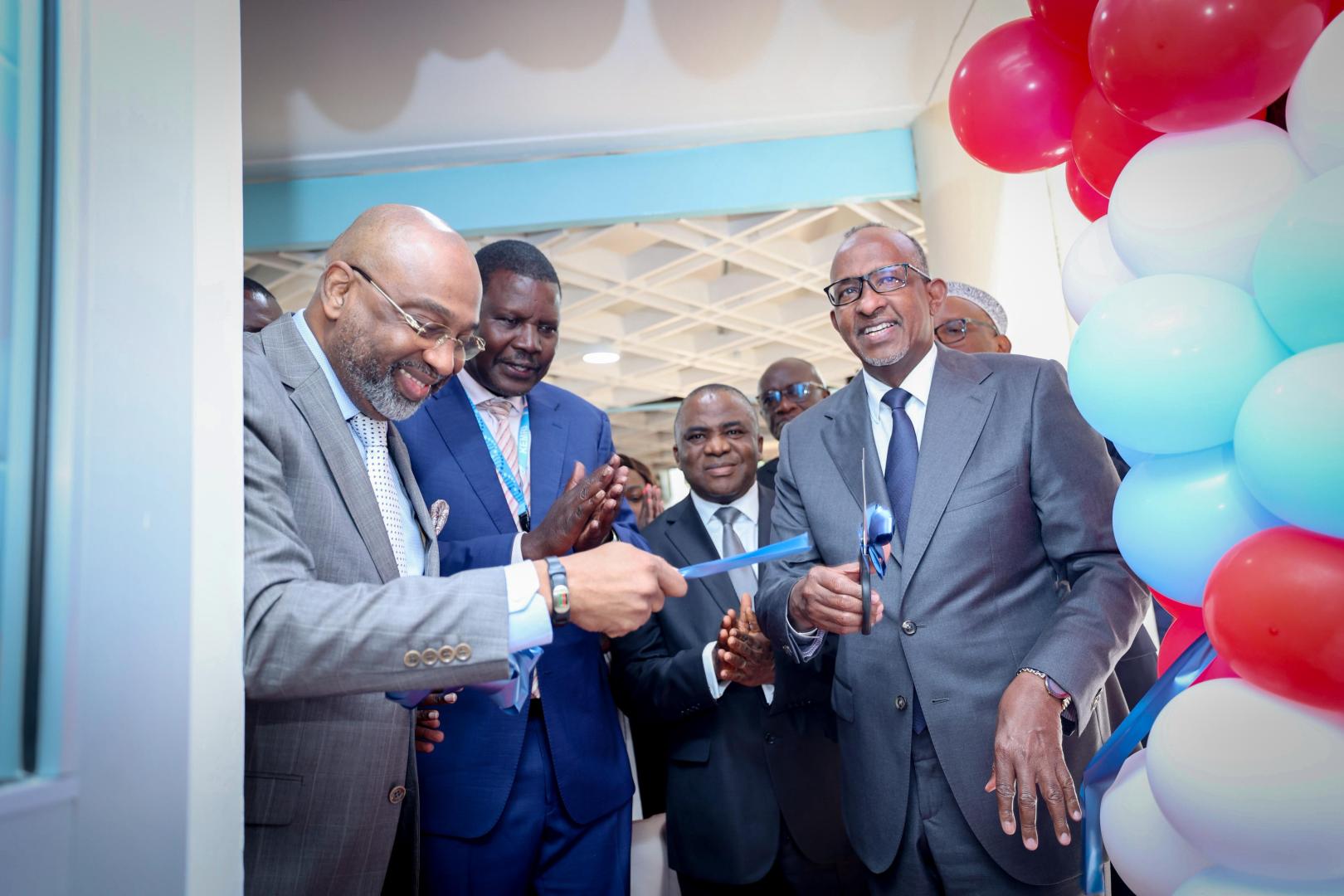
In a major boost to the country’s public health defenses, Kenya has officially inaugurated a newly upgraded, World Health Organization (WHO)-accredited polio laboratory at the Kenya Medical Research Institute (KEMRI). The facility, which was handed over on September 16, 2025, marks a significant leap forward in Kenya’s ability to detect and respond to poliovirus and other epidemic-prone diseases swiftly and effectively.
Supported by a strategic partnership involving WHO and a grant from the Bill & Melinda Gates Foundation, the upgraded laboratory is part of the African Regional Polio Laboratory Network, which includes 16 WHO-accredited labs spread across the continent. This network plays an indispensable role in ensuring that stool and environmental samples are promptly tested for polioviruses, an effort critical to guiding immunization campaigns and outbreak responses in affected areas.
Located within KEMRI’s Centre for Virus Research, the newly equipped laboratory boasts cutting-edge molecular diagnostic platforms alongside expanded sample storage capacity. The facility also features upgraded biosafety protocols, ensuring that health workers can perform tests quickly and safely, while delivering highly accurate results. These enhancements come at a crucial time as countries, including Kenya, intensify their efforts to halt the circulation of variant poliovirus type 2 (cVDPV2), a highly contagious strain that has recently caused outbreaks in parts of Africa.
In 2024, more than 5,000 samples were processed across the African network, enabling the rapid detection of poliovirus and timely interventions in countries such as Madagascar and Mozambique, where outbreaks were successfully contained. The KEMRI laboratory will now serve as a cornerstone for Kenya’s surveillance activities supporting not only polio efforts but also expanding to cover measles, rubella, and other vaccine-preventable diseases.
“This laboratory is a cornerstone for protecting children from the devastating effects of polio. It strengthens our surveillance capacity, not only for polio but also for measles, rubella, and other vaccine-preventable diseases. With this facility, Kenya is better prepared to detect outbreaks early and respond decisively,” said Dr. Abdourahmane Diallo, WHO Representative in Kenya, during the inauguration. Beyond Kenya’s borders, the upgraded laboratory plays a vital role in cross-border surveillance within the Horn of Africa a region highly vulnerable to the spread of poliovirus due to population movements across porous borders. Coordinated immunization campaigns and synchronized laboratory support in these border areas are crucial for protecting children who are often hard to reach due to nomadic lifestyles or geographic isolation.
The formal handover ceremony was attended by Hon. Aden Duale, Cabinet Secretary for the Ministry of Health, alongside representatives from KEMRI, WHO, the Gates Foundation, eHealth, and other key partners. Their presence highlighted the collaborative partnerships that underpin this achievement. The laboratory’s upgrade aligns with broader efforts by the Global Polio Eradication Initiative (GPEI), which continues to drive progress in immunization and surveillance across Africa. In 2024 alone, GPEI supported the training of over 800 health professionals in vital skills such as geographic information system (GIS) mapping, outbreak investigation, and laboratory practices. In Kenya specifically, vaccination and surveillance programs have effectively reached children in nomadic, peri-urban, and cross-border communities. The latest vaccination round against polio alone protected nearly one million children.
Kenya’s enhanced laboratory infrastructure will be crucial in sustaining the country’s hard-won gains. The nation has not reported any circulating variant poliovirus type 2 (cVDPV2) cases in the past 15 months, an encouraging sign that continued vigilance and strengthened capacity can keep polio at bay. As Kenya advances its health security through innovations like the KEMRI polio laboratory, the country and its neighbors stand better equipped to detect, prevent, and respond to disease outbreaks, safeguarding the health and future of children across the region.
Similar Posts by The Mt Kenya Times:
- Mt Kenya Times ePAPER October 17-18, 2026
- Ruto bets billions on Kerio Valley — with one eye on 2027
- Ruto’s health ministry kills Murang’a’s digital hospitals
- Kenya bets on Mount Kenya to drive a billion-shilling tourism revival
- Do you have a wealth vision? Or are you just working until you die?
About the Author