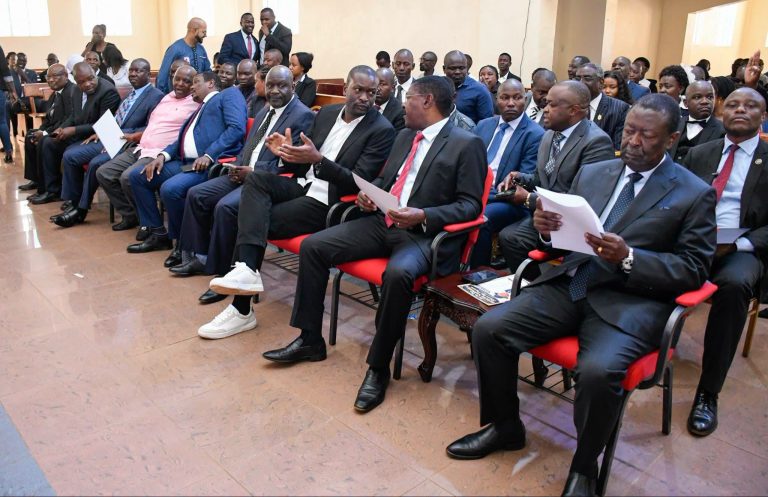
Kenya Cultural Centre faces Parliamentary scrutiny on various issues
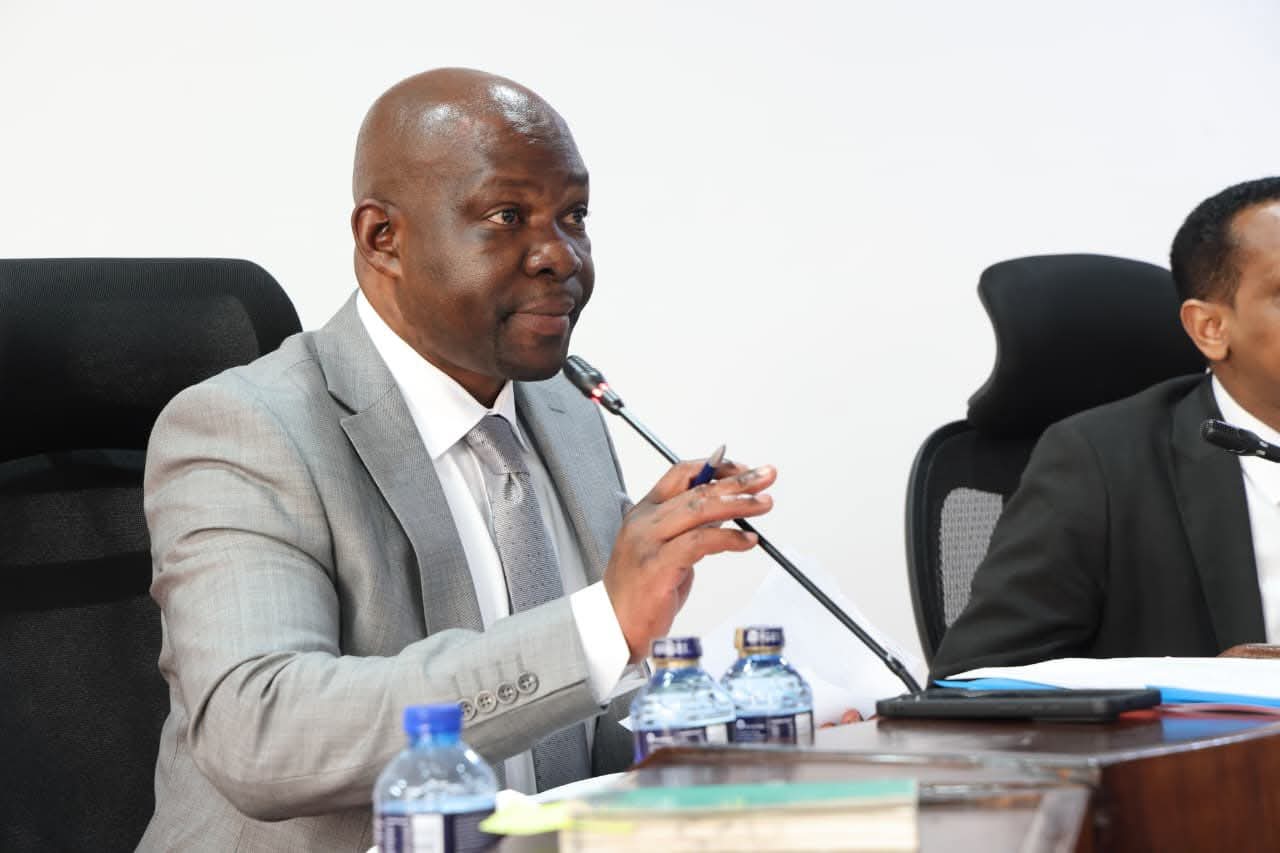
PICSSAA vice-chair Caleb Amisi during yesterday's session.
By MKT Correspondent
The management of the Kenya Cultural Centre (KCC) came under intense scrutiny from the Public Investments Committee on Social Services, Administration and Agriculture (PICSSAA) following damning audit queries that exposed financial distress, unresolved land ownership issues, and long-standing governance weaknesses.
Appearing before the committee yesterday, KCC officials were grilled over reports by the Auditor General covering the financial years ending June 2014 and June 2025.

The reports paint a troubling picture of an institution struggling with insolvency risks and outdated legal frameworks.
The Auditor General warned that the institution is technically insolvent after recording a negative working capital of KSh14.3 million in the 2024/2025 financial year.
During the period, KCC posted expenditure of KSh402.7 million against revenues of KSh390.6 million, raising concerns about its long-term financial sustainability.
Appearing before the committee chaired by Vice Chairperson Caleb Amisi, management attributed the deficit to financial constraints and said discussions were ongoing with the National Treasury to secure additional funding to stabilize operations.
Lawmakers also raised serious concerns over the Centre’s failure to provide ownership documents for its prime land and buildings, including the Kenya National Theatre and adjoining property valued at KSh333.9 million in the latest valuation.
The institution admitted it had not updated valuation reports, citing delays by the Ministry of Public Works.
A long-standing dispute with the Kenya Conservatoire of Music also resurfaced, with auditors noting unpaid rent amounting to KSh248,400 dating back to an 18-year period between 1960 and 1978 under a 1961 lease agreement.

KCC management said it was seeking legal guidance from the Attorney General to resolve the matter.
The audit further flagged systemic governance weaknesses, noting that KCC continues to operate under the Kenya Cultural Centre Act of 1951, which has been described as outdated and redundant.
Although a new Bill has been drafted, its progress has stalled due to funding constraints for public participation.
Staffing shortages also emerged as a major operational challenge, with the Centre operating at only 45 percent capacity, employing 39 staff out of an approved 86.
Some departments reportedly rely on a single officer to handle multiple functions, raising concerns over internal control risks.
The committee directed KCC to develop a clear roadmap for financial recovery, operational efficiency, and legal reforms while urging continued engagement with the National Treasury for sustainable funding.
In the same session, PICSSAA also questioned the National Drought Management Authority over procurement irregularities, questionable allowances, and infrastructure projects undertaken without proper land agreements, signalling broader concerns over public sector governance and accountability.
Similar Posts by The Mt Kenya Times:
- Mt Kenya Times ePAPER October 23, 2026
- Ruto’s parting COMESA call: Remove the barriers, honour the commitments
- Direct hospital access to KEMSA cuts drug delays, says PS
- Africa can’t wait: Continent seeks $1 trillion for climate adaptation
- Ruto passes the baton as Africa’s trade bloc faces a fragmenting world
About the Author