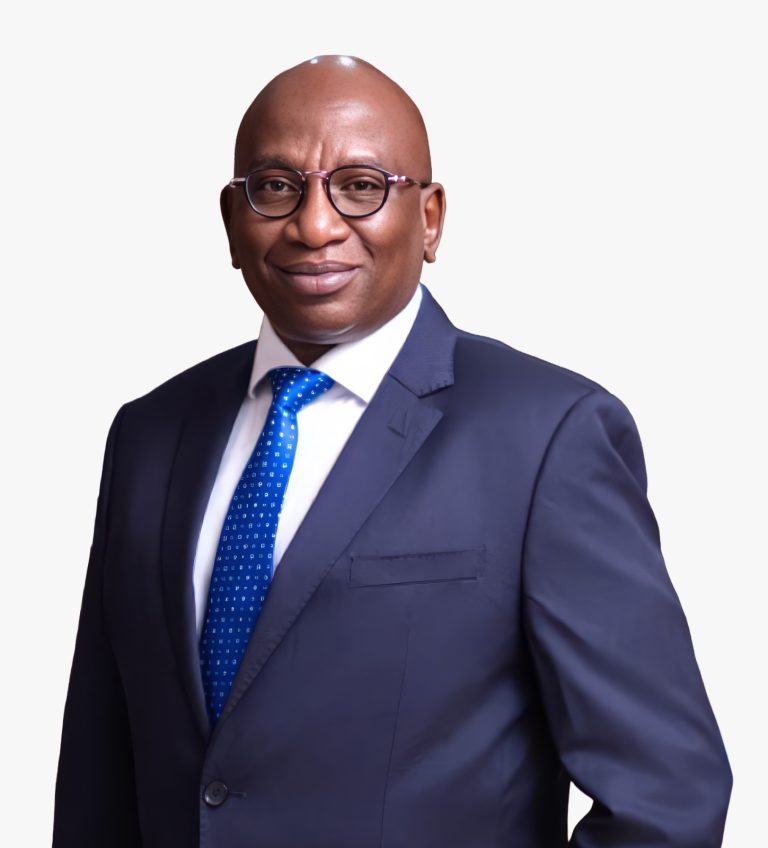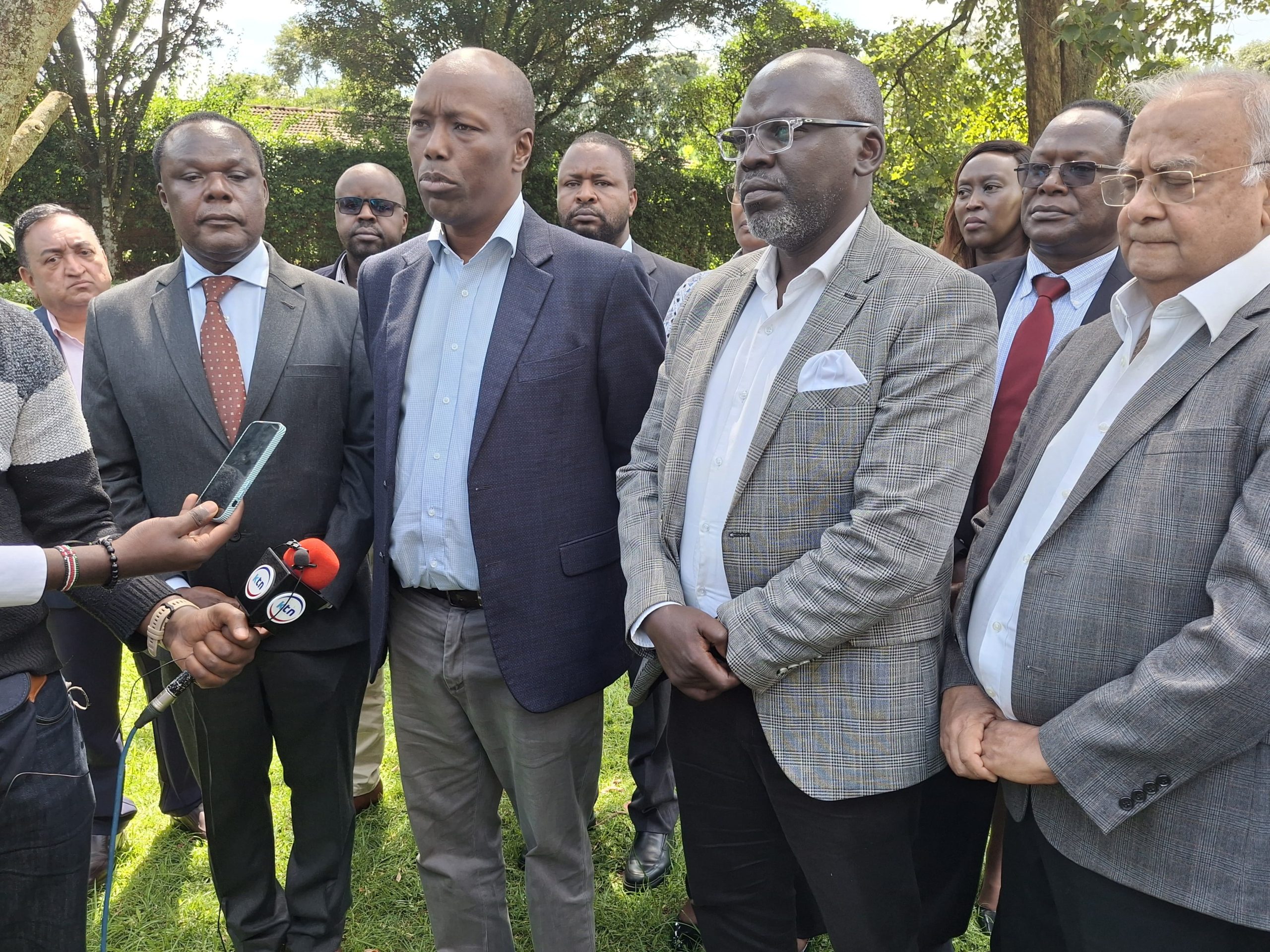
From (L-R): Principal Secretary for Industry Juma Mukhwana, Cabinet Secretary for Investment, Trade and Industry Lee Kinyanjui, Kenya Association of Manufacturers CEO Tobias Olando and Bharat Shah, chair of KAM , Trade and Tax Committee, during a press briefing in Nairobi.
By Aoma Keziah,
In a move to strengthen local industry and address persistent challenges in the manufacturing sector, Cabinet Secretary for Investment, Trade and Industry, Lee Kinyanjui, chaired a consultative meeting with key stakeholders in the cement, clinker, and steel subsectors.
Speaking at the forum, CS Kinyanjui emphasized the government’s commitment to creating an enabling environment for industrial growth. He noted that the manufacturing sector plays a pivotal role in Kenya’s economic development, particularly in driving employment, enhancing infrastructure development, and promoting exports.
“ we believe that Kenya can be a powerhouse in the manufacture of good quality, well-priced steel that can be sold not just in the East Africa region, but in the South Saharan. I am sure that some of the things we will be putting in place including in this year’s budget, Kenya’s position at the port of Mombasa, our population, technology, combined with our stability, makes Kenya a very attractive destination for equipment,” he stated.
Kinyanjui further added that they will work together with the existing manufacturers to think of how they can expand, able to utilize and optimize their already existing investments.
“This dialogue is not just about challenges it’s also about finding joint solutions. We recognize the strategic importance of these industries and are here to listen, learn, and collaborate,” the CS added
The meeting, held in Nairobi, brought together manufacturers, industry experts, and senior government officials to deliberate on sector specific issues ranging from production costs and raw material sourcing to regulatory frameworks and regional market access.
Principal Secretary for Industry Juma Mukhwana , highlighted that of the issues that they have agreed upon is to support local b minimising on importation and maximise buying locally.
“ we really want to make sure that we buy our items, that we minimise on the importation and maximise on buying what is made in Kenya so that we can get more employment and also create value for our resources that God gave us like some of the minerals that we have,” he remarked.
Industry representatives expressed optimism, saying the meeting marked a positive step toward a more collaborative approach to industrial policy.
“From this conversation that we’ve had today, the growth of the economy, the growth of the manufacturing sector is a responsibility of both government and the private sector and the good thing out of this conversation is that our aim is to see how we can increase investment, to see how we can create more employment. We’ve
identified some of the key issues that we need to pinpoint and address in terms of how to increase the investment, how to scale the existing growth that we have in terms of the manufacturing sector, particularly on the steel,” explained Tobias Olando, CEO KAM
Bharat Shah, chair of KAM , Trade and Tax Committee, pinpointed that Challenges will always be there, but there are solutions.
“From the stakeholders and with the ministry, a solution has been more or less found, but will still be refined as we go further. And I think it was a very good meeting, the only thing is that we all need to use our capacities more, create a win-win and create jobs and foreign exchange for the country,” he said.
The forum concluded with a mutual commitment to sustained engagement between the government and manufacturers, with a technical taskforce proposed to follow up on key action points.
Similar Posts by Aoma Keziah:
- Nationwide Youth Business Drive Enters Last Lap With New Nyota Trainings
- Green Light From Washington Sets G42 On Fast Track to Build Region’s Most Powerful AI Network
- Safina Eyes Kariobangi North Seat in Intensified Push Before Poll Day
- KEBS Opens Talks With Manufacturers On New Standards Levy Order 2025
- Kenya, Uganda And South Sudan Chart Way Forward On East Africa Rail Corridor
About the Author


 The Mt Kenya Times