Kenya’s first Ebola case: A test the country cannot afford to fail
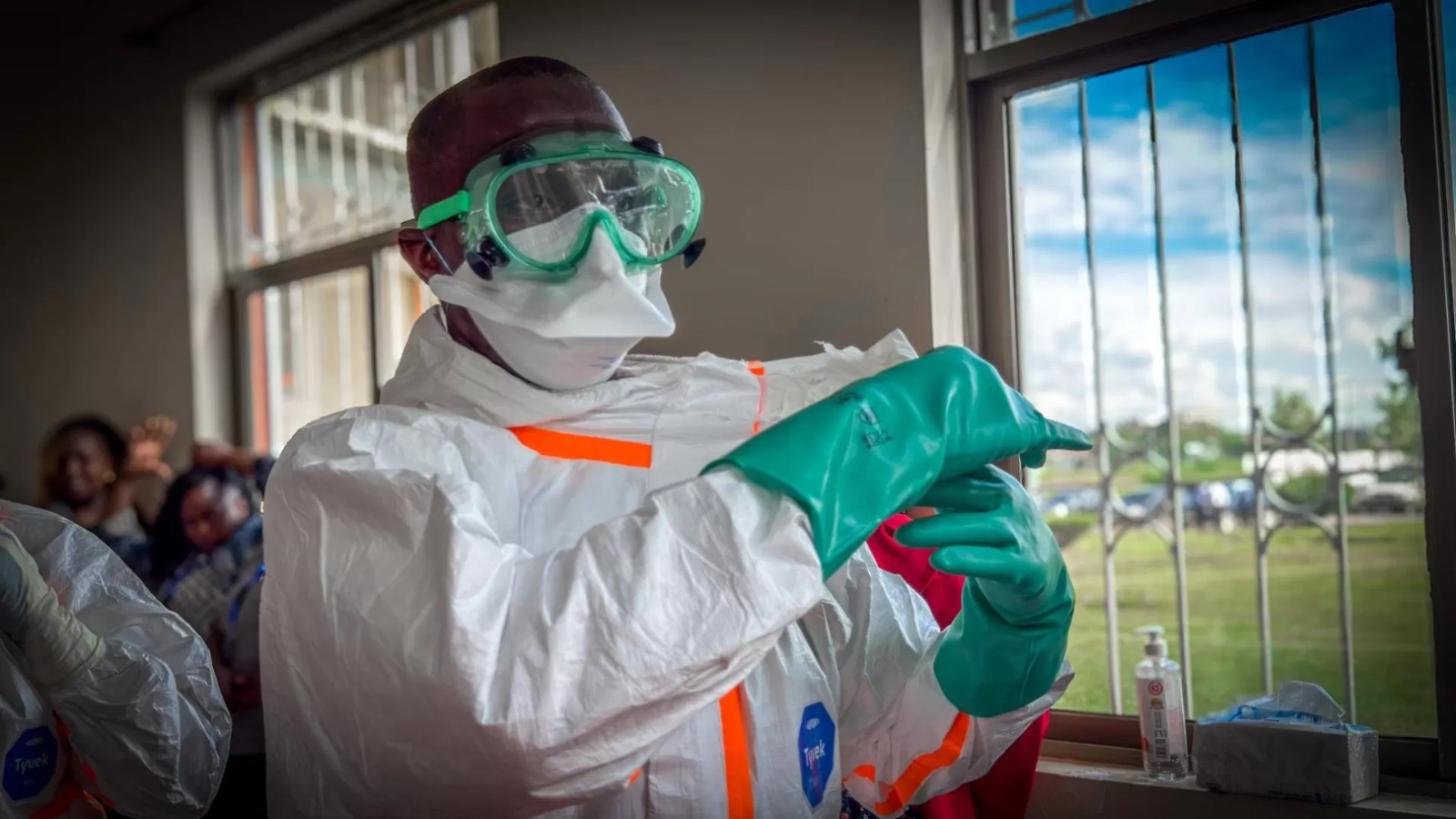
Kenya’s confirmed case involves Bundibugyo virus, a species first identified during an outbreak in Uganda’s Bundibugyo District in 2007/Courtesy
One imported case is not yet a crisis — but it is an unmistakable warning about the limits of preparedness
By Collins Kibet
Kenya has entered a moment that demands vigilance, honesty and decisive leadership. The confirmation of the country’s first imported Ebola case is not merely another health headline. It is a serious reminder that in a deeply interconnected region, no country can afford to assume that deadly diseases will stop at someone else’s border.
A Kenyan citizen who had been living in the Democratic Republic of Congo travelled through Uganda before reaching Nairobi, where he later developed severe symptoms and died. Health authorities have since identified 28 contacts and begun tracing passengers and crew associated with his journey. The development raises an uncomfortable but necessary question: is Kenya genuinely prepared to confront a highly infectious disease, or has the country once again been forced to strengthen its defences only after the threat has already arrived?
Ebola should not be approached with panic, but neither should it be treated casually. It is a severe illness that spreads through direct contact with the blood or bodily fluids of an infected person or contaminated materials. Early detection, isolation, infection prevention and rapid contact tracing are therefore not optional responses — they are the entire foundation of an effective public-health reply. Kenya’s most significant advantage at this moment is that the confirmed case triggered an immediate response. Authorities began monitoring contacts and working to establish whether anyone else may have been exposed. That is precisely what a functioning public-health system is expected to do.
Yet the arrival of Ebola also exposes a wider truth about modern Africa: borders may be political lines, but diseases observe no such boundaries. Kenya is a major regional hub for transport, trade and aviation, with millions of people moving through its airports, roads and border crossings every year. A person can travel from one country to another within hours, potentially carrying an infection before symptoms become obvious. The movement of people between the DRC, Uganda and Kenya makes regional health cooperation far more than a diplomatic aspiration — it is a practical necessity.
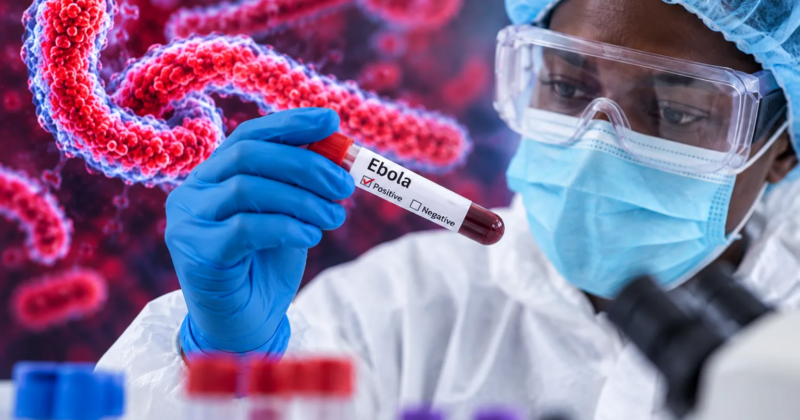
The government deserves credit for having invested in preparedness before this case emerged. Earlier this year, the Ministry of Health reported that Kenya had strengthened surveillance systems, border screening, laboratory capacity, isolation facilities and emergency response mechanisms, with thousands of health workers trained specifically in Ebola preparedness. Those preparations now face their most consequential test: whether systems designed on paper can function effectively when a real case arrives on home soil.
That is where public accountability becomes essential. Preparedness should not be measured by the number of meetings held, press conferences conducted or plans filed. It should be measured by how quickly a suspected case is detected, how efficiently contacts are traced, whether healthcare workers have adequate protective equipment and whether suspected patients can be isolated without inadvertently exposing families, colleagues or fellow patients. Kenya cannot afford a situation in which health workers themselves become casualties because protective equipment, training or isolation infrastructure fall short of what the moment demands.
Honest communication with the public is equally non-negotiable. During health emergencies, misinformation can spread almost as fast as the disease itself. Social media platforms become fertile ground for rumour, conspiracy and exaggeration. The answer to that cannot be official silence or vague reassurance. Kenyans need timely, clear and scientifically accurate information — what Ebola is, how it spreads, what symptoms should prompt immediate medical attention and what steps anyone who believes they may have been exposed should take. The Ministry of Health has previously emphasised the importance of accurate public messaging over panic. That principle must now be applied in practice, not merely restated as a principle.
Citizens also carry their own responsibility in this moment. People should not conceal symptoms out of fear of isolation or social stigma. Families should not attempt to manage suspected cases privately at home. Communities must cooperate with health officials conducting contact tracing and resist the temptation to share unverified information. Travellers must provide accurate accounts of their recent movements when required. These are not bureaucratic demands — they are the practical behaviours that determine whether a single imported case remains contained or becomes something far more serious.
There is a broader lesson in this moment for Kenya’s healthcare system as a whole. Ebola may dominate the immediate conversation, but the country’s vulnerability to infectious disease cannot be separated from deeper, longstanding challenges in healthcare financing, staffing, equipment and access to treatment. A resilient disease-response system cannot be assembled in a hurry when a crisis arrives. It requires laboratories, trained personnel, reliable surveillance networks, functioning hospitals and sustainable funding long before any emergency occurs. Kenya’s health-security investments must therefore be maintained and expanded as long-term national priorities — not treated as temporary responses to frightening headlines.
The situation in the DRC makes the context even more sobering. The current Ebola outbreak there has already caused thousands of confirmed infections and more than 4,000 deaths, making it one of the deadliest outbreaks ever recorded. Kenya’s imported case arrives at precisely the moment when the wider region is already managing a significant and ongoing public-health crisis.
But fear should not be allowed to define the national response. One confirmed imported case does not automatically signal a widespread outbreak. The appropriate response is evidence-based action: identify exposed individuals, monitor them carefully, isolate suspected cases, test promptly and communicate responsibly. The public deserves reassurance grounded in verified facts, not empty political statements designed to manage optics rather than protect lives.
Ultimately, this case should become a genuine and rigorous test of Kenya’s preparedness — not a source of national panic. The country has spent months developing and publicising its surveillance systems, border controls, laboratories and emergency response capacity. Those systems must now demonstrate their worth. The government must act swiftly. Healthcare workers must remain properly protected. Communities must cooperate. And citizens must actively reject misinformation wherever it appears.
The greatest mistake would be to wait for a larger outbreak before discovering the weaknesses that could have been addressed now. Ebola has crossed into Kenya, and the message could not be clearer: preparedness is no longer a plan for tomorrow. It is a responsibility for today. Kenya must demonstrate that its public-health infrastructure can protect its people before a single imported case becomes something far harder to contain.
Similar Posts by The Mt Kenya Times:
- KEMSA takes customer service week to the community
- Wildlife conflict payouts go digital
- KISE launches disability inclusion conference in Kasarani
- Kenya and motorsport body plot road back to the top
- The extra mile: Why good service must be a daily habit, not a weekly celebration
About the Author