Let Our Children Dream, Not Protest: The Dangerous Politicization Of Kenya’s School Theatre

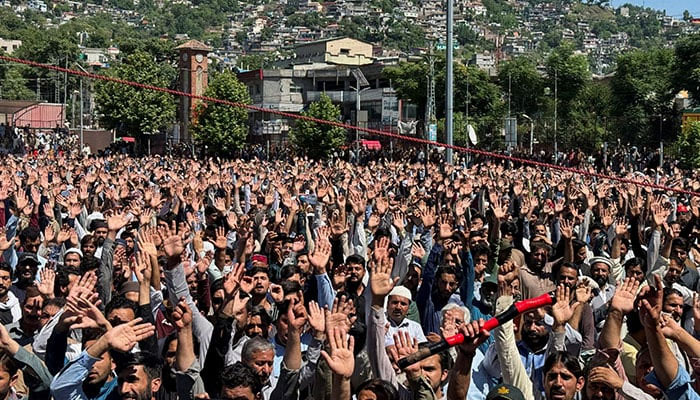
Tear gas as protest rocks Nakuru over Butere Girls drama play


By Njeri Thorne
Kenya’s National Drama and Film Festival is more than just a stage. It is a mirror of society and a powerful tool for shaping the moral, cultural, and intellectual foundations of our youth. For decades, it has nurtured creativity and instilled values of patriotism, unity, and civic responsibility in our children. That is why the recent inclusion of a politically charged play reportedly written by a former politician and performed by secondary school students should deeply concern us all.
The play, said to revolve around the theme “Ruto Must Go”, is not an innocent artistic expression. It is a calculated political statement, delivered through the voices of teenagers who are still developing their identities and understanding of the world. These are not adult actors exercising freedom of speech—they are schoolchildren being positioned as vessels for political messaging. This is not just inappropriate. It is unethical.
At the core of this issue is the radicalization of the youth through performance. Adolescents are especially impressionable. Their brains are wired to seek emotional intensity and social belonging. Political plays that cast government leaders as villains and encourage outrage create a dangerous blueprint for how young minds interpret the world: that politics is about anger, that leadership is about blame, and that change must be confrontational.
This isn’t civic education it’s indoctrination.
The National Drama Festival is a state-supported platform. It is meant to inspire dreams, not incite rebellion. To allow school children to perform scripts calling for the ouster of a democratically elected leader is to erode the very foundation of our democracy. It sends the message that political resentment is an acceptable school subject that protest is more important than participation, and that drama is a tool for opposition, not exploration.
We cannot afford to politicize innocence: The psychological impact of this trend is far-reaching. Psychologists warn of learned helplessness, a condition where young people begin to believe that their futures are blocked unless someone is overthrown. This mindset breeds bitterness, despair, and eventually, disengagement. Instead of creating a generation of thinkers and builders, we risk producing
Cynics and agitators: There is, of course, room in art for critique. Theatre should challenge society, speak truth to power, and provoke thought. But there is a responsible and age-appropriate way to do so especially in school settings. Plays can tackle corruption, inequality, and governance without resorting to personal attacks or partisan slogans. They can encourage civic
Understanding, not political warfare: The adults behind these productions—teachers, school heads, festival judges, and Scriptwriters must reflect deeply. What are we teaching our children? Are we mentoring future leaders or manipulating them into carrying the burdens of our disillusionment?
It is time to recenter the purpose of Kenya’s drama festivals. Let us champion scripts of hope, of problem-solving, of national pride. Let the stage remain a space for light, not a nattleground for political darkness.
Let our children dream not protest.
Similar Posts by The Mt Kenya Times:
- Diaspora Times Global Sep 19 – Sep 25, 2026
- Tibet’s glacial catastrophe: Behind Beijing’s wall of silence, a climate disaster reshapes a region
- Museveni says Uganda overpaid for fuel through Kenyan middlemen as new terminal breaks ground
- Court orders throw KPL season kickoff into doubt
- Can Kenyans abroad become the untapped force that transforms Kenya?
About the Author