Manchester United set to fine Martínez after explosive attack on club hierarchy
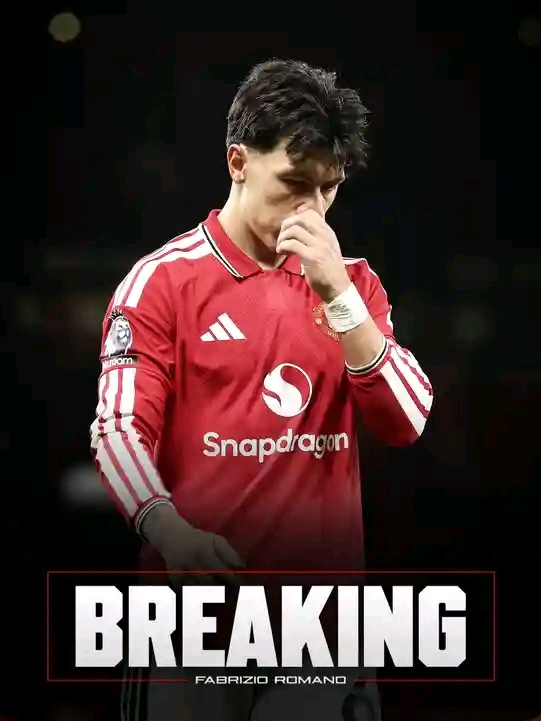
Argentine defender’s public criticism of technical director and recruitment strategy opens new front in United’s troubled season
By Pascal Okoth
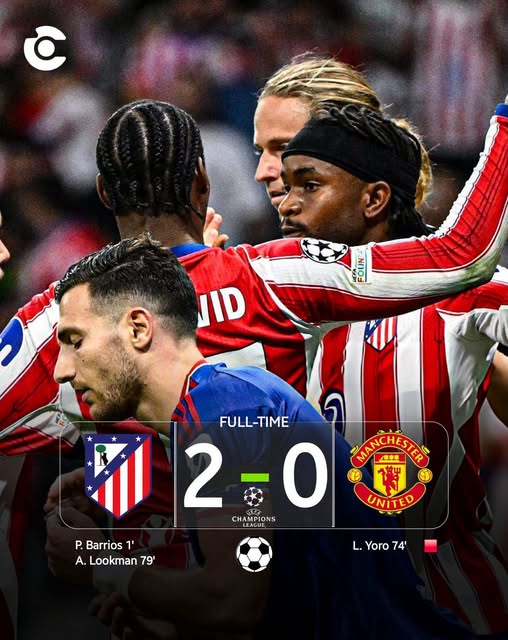
Lisandro Martínez is facing disciplinary action from Manchester United after publicly and pointedly criticising the club’s leadership following their 2-0 Champions League defeat to Atlético Madrid — remarks that have ripped open long-simmering frustrations about recruitment, accountability and the direction of one of football’s most scrutinised institutions.
According to reports citing The Athletic, United officials consider a fine for the Argentine international inevitable after he used a post-match interview to question the club’s transfer strategy and the level of support provided to head coach Michael Carrick during the summer window. The comments were unusually direct for a player at Old Trafford, and they landed with considerable force.
Martínez did not spread blame indiscriminately. He was deliberate and specific, singling out technical director Jason Wilcox by name and making clear that, in his view, the people responsible for building the squad had fallen short.
“I expect more, 100 per cent. I expect more from our technical director,” the 28-year-old said, in remarks that quickly dominated the post-match conversation and drew attention far beyond the result itself.
His defence of Carrick was equally pointed. Martínez argued that United could not expect sustained progress without meaningful investment in the squad, and that opponents had already adapted to the team’s playing style, making tactical evolution and targeted recruitment essential. When asked directly whether Carrick had received adequate support, his answer was blunt.
“I don’t think so. He does his best,” Martínez said. He went further, challenging the club’s instinct to place the burden of failure on managers and players while other departments escaped scrutiny. “You can’t keep changing, changing, changing the manager. What about other areas?” he added — a question that will resonate uncomfortably with United’s hierarchy.
The backdrop to the interview was a chastening night in the Spanish capital. Pablo Barrios gave Atlético an early lead, and Ademola Lookman doubled the advantage after United defender Leny Yoro was sent off, leaving Carrick’s side to salvage what they could from a difficult evening. They could not. The defeat deepened questions about United’s ability to compete with Europe’s elite and set the stage for Martínez’s intervention to amplify those concerns dramatically.
Carrick, speaking immediately after the match, said he had not fully watched the interview and suggested that the raw emotion of the defeat may have shaped the tone of the defender’s remarks. He indicated he needed to understand the full context before deciding whether any response was required — a carefully measured answer from a manager navigating an increasingly complicated internal situation.
Reports have also raised questions about Martínez’s long-term future at the club, with his position described as uncertain even before this latest controversy. The disciplinary process, if it proceeds as expected, will do little to ease those tensions, and the club now faces the delicate task of maintaining internal discipline while acknowledging that the concerns raised by a senior first-team player cannot simply be dismissed with a fine.
For supporters, the arithmetic is straightforward. United’s ambitions in Europe and at home require a squad built to compete, and Martínez’s intervention has made it harder for the club’s leadership to avoid accountability for decisions made in the transfer market. A fine deals with the form of what was said. It does not answer the substance.
The story is still developing, but Martínez has already ensured that Manchester United’s internal fractures are now very much public — and very much part of the debate about what this club is, and where it is headed.
Similar Posts by The Mt Kenya Times:
- PIBID in Bushenyi: The factory that gave us pride but left our pockets empty
- Dr. Isha Farha Quraishy: The woman redefining the future of technology
- Real Madrid stun Roma with dramatic late comeback
- Machoka at 50: Uncle Fred turns a golden jubilee into a rhumba celebration
- The reality of a falling Kenya
About the Author