Maresca joins Guardiola, Ancelotti and Solskjær in Premier League record books
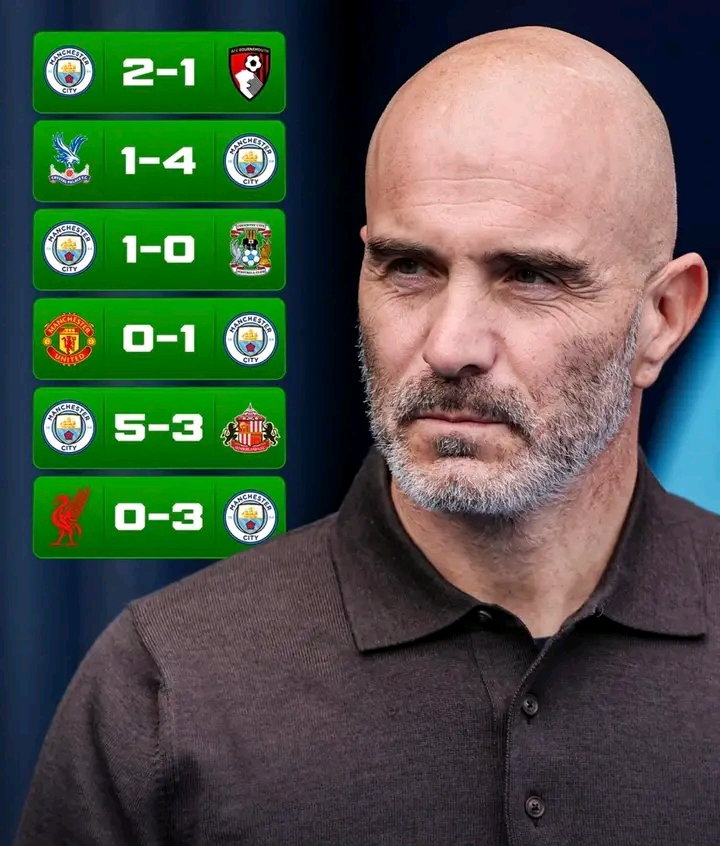
Enzo Maresca
Chelsea head coach becomes only the fourth manager in Premier League history to win his first six matches in charge of a club
By Pascal Okoth
Enzo Maresca has entered an exclusive chapter of Premier League managerial history, becoming only the fourth manager to win his first six matches in charge of a club in the competition, joining Carlo Ancelotti, Ole Gunnar Solskjær and Pep Guardiola in that distinction.
The Italian’s start at Chelsea has drawn attention across English football, not merely for the results but for the manner in which they have been achieved. Maresca’s teams are built on possession-based football, positional discipline and coordinated movement designed to create and exploit space. Translating that philosophy into six consecutive wins from the outset of a managerial tenure — in a league as demanding and competitive as the Premier League — is a significant accomplishment by any measure.
Winning six successive matches at the start of a new role presents challenges that go beyond tactics. A new manager must introduce fresh ideas, earn the confidence of his players, address early weaknesses and manage the expectations that come with a high-profile appointment — all while delivering results. That Maresca has done so without dropping a point places him in company that demands respect.
Guardiola, widely regarded as the most influential manager of the modern era, built Manchester City into English football’s dominant force through an obsessive attention to detail, tactical flexibility and a relentless culture of improvement. His inclusion on this short list illustrates the level of performance Maresca has managed to match at the earliest stage of his Chelsea tenure.
Ancelotti, one of the most decorated managers in the history of the game, brought a different quality to the Premier League — tactical adaptability and a rare ability to manage elite players across different cultures and systems. His early impact in England reflected what an experienced hand can achieve when given the right environment. Solskjær, meanwhile, generated enormous excitement at Manchester United with a run of results that briefly reignited belief among supporters and raised hopes of a sustained revival. Though his tenure ultimately told a more complicated story, the energy and momentum of that opening spell remained a defining feature of his time at Old Trafford.
That Maresca now sits alongside all three is a statement in itself, even if it comes with the caveat that six matches represent a beginning, not a conclusion.
The Italian will know better than most that the Premier League has a way of finding out managers who cannot sustain early momentum. As his methods become familiar to opposing coaches, tactical adjustments will be made and vulnerabilities probed. Injuries, fixture congestion and the physical and mental demands of a long season will test the depth and resilience of his squad. Maintaining intensity and concentration when the schedule becomes relentless is where many promising starts have unravelled.
Expectations, too, will climb. A perfect opening generates ambition among supporters and scrutiny from those who follow the club closely. The margin for error narrows as the bar rises. Sustaining success requires not just tactical clarity but effective squad management, clear communication and the ability to adapt without abandoning the principles that produced the early results.
None of that diminishes what Maresca has achieved. Six wins from six, in the Premier League, at the start of a new managerial appointment, is a record that speaks for itself. It offers him a strong foundation of confidence, a settled dressing room and a supporter base that believes in what he is building. Whether that foundation can support something lasting — silverware, a sustained title challenge, a clear identity at Stamford Bridge — remains the question that the rest of the season will begin to answer.
For now, the record stands and the company it places him in is distinguished. The next challenge is to ensure that this opening chapter becomes the first page of a longer, more consequential story.
Similar Posts by The Mt Kenya Times:
- Silence and stress: How quiet can heal — and how it can harm
- Trans-Nzoia: Why Kenya’s breadbasket has no maize this season
- Television or the internet: The battle for young minds
- Atlético punish United with 2-0 Champions League win
- Nail care business opens at Masinde Muliro University
About the Author